
Plants
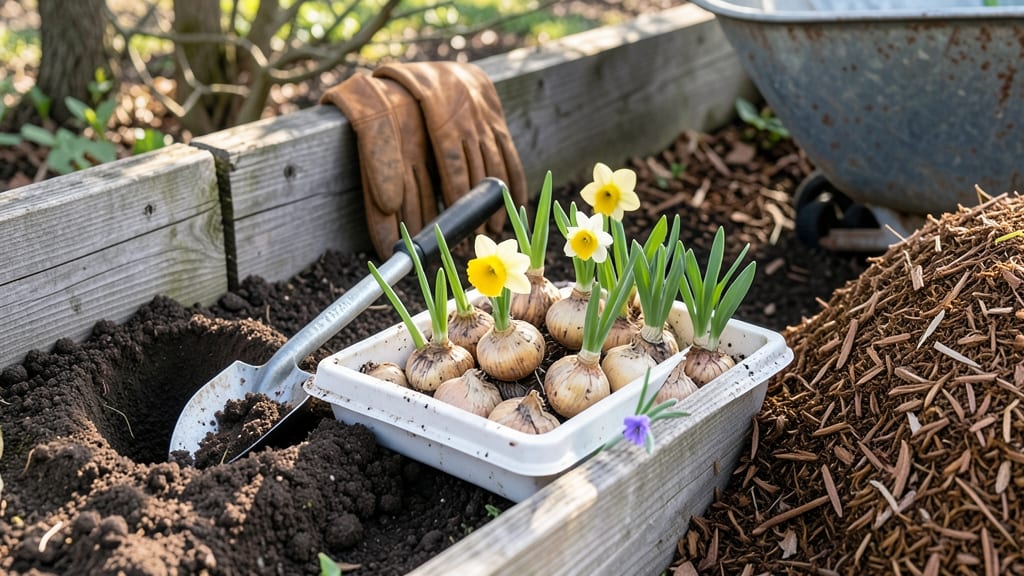
Planting Spring Flowering Bulbs (e.g., Tulips, Daffodils, Hyacinths) 🌷 when do you plant bulbs in the south isn’t just about timing—it’s about outsmarting the heat and humidity that can turn your garden dreams into a soggy mess.
If you’ve ever planted bulbs only to watch them rot before they bloom, you’re not alone, and there’s a better way.
The perfect window for planting in zones 7a-10a isn’t the same as in cooler climates. While northern gardeners dig in during late fall, Southerners need to act earlier—typically between October and December—to give bulbs time to root before the ground gets too warm.
But here’s the catch: the exact timing depends on where you live, whether you’re in coastal Florida or the Deep South.
In this guide, I’ll break down the heat-zone map that tells you exactly when to plant for vibrant spring blooms, plus how to adjust for your specific microclimate.
You’ll learn which bulbs thrive in Southern heat, how to prep your soil for drainage, and the 3 critical mistakes that kill bulbs before they even sprout.
Ready to transform your garden into a burst of color? Let’s get those bulbs in the ground the right way—so you can enjoy months of effortless beauty without the guesswork.
Southern heat-Zone map: best planting months by USDA Zone
Timing is everything when planting bulbs in the South. Unlike cooler climates, Southern gardeners must account for longer growing seasons, higher humidity, and delayed frost dates. The key is planting bulbs 6-8 weeks before your first hard frost—but what does that mean in USDA Zones 7-11?
Let’s break it down by region.
In the Deep South (Zones 8-11), frost is rare or nonexistent, so traditional fall-planted bulbs like tulips often fail to bloom reliably. Instead, focus on heat-tolerant varieties or adjust your planting schedule to late winter/early spring.
For example, in Zone 9, you might plant spring bulbs in December or January to avoid summer heat stress.
Coastal areas (like Georgia’s coast or Florida’s panhandle) have warmer winters and higher humidity, which can cause bulbs to rot if planted too early. Inland areas (like Texas Hill Country) may experience earlier frosts, so bulbs should go in the ground by October or November.
Here’s a quick guide to help you align your planting schedule with your local climate:
| USDA Zone | Ideal Planting Window | Notes |
|---|---|---|
| Zone 7a-7b | October 15 – November 15 | First frost typically arrives by November 15. Plant tulips and daffodils early. |
| Zone 8a-8b | November 1 – December 15 | Light frosts may occur. Opt for hardy varieties like daffodils or plant in containers for flexibility. |
| Zone 9a-9b | December 1 – January 15 | Frost is rare. Plant spring bulbs in late winter or choose heat-tolerant bulbs like spider lilies. |
| Zone 10a-10b | January 1 – February 15 | No frost risk. Plant bulbs in early spring or select tropical varieties like rain lilies. |
| Zone 11 | Year-round (spring preferred) | No frost. Plant bulbs anytime, but avoid summer heat stress by watering deeply. |
For spring-blooming bulbs like tulips and hyacinths, the rule of thumb is to plant them 6-8 weeks before your average first frost.
In Zone 7, that’s October, while in Zone 9, it shifts to December. Fall-planted bulbs need time to establish roots before winter dormancy begins.
If you’re unsure about your frost dates, check your local Cooperative Extension Service or use a frost date calculator. Even a single week’s delay can mean the difference between vibrant blooms and missed opportunities.
Pro tip: In high-humidity zones, like Florida or Louisiana, add a 2-inch layer of mulch after planting to prevent rot. This is especially critical for traditional European bulbs that aren’t adapted to Southern climates.
For fall-blooming bulbs like crocuses or fall daffodils, the timing shifts slightly. These should be planted in late summer (August-September) to ensure they bloom before winter sets in. However, in Zone 10 and above, you can plant them year-round.
Remember, the South isn’t one-size-fits-all. Microclimates matter—your backyard might be 5 degrees warmer than the official USDA zone due to factors like urban heat islands or shade from trees. Adjust your planting schedule accordingly.
Once you’ve nailed the timing, the next step is preparing your soil and choosing the right bulbs for your climate. But for now, bookmark this map and plant with confidence!
Southern heat-Zone map: best planting months by USDA Zone
The South’s diverse climate—from USDA Zone 7a to Zone 10a—means planting bulbs isn’t one-size-fits-all. In cooler coastal areas (Zone 7-8), you can plant tulips and daffodils as late as December, while Deep South zones (9-10) demand earlier action, ideally by October.
The key? Planting 6-8 weeks before the first hard frost ensures roots establish before winter dormancy.
For spring-blooming bulbs like tulips and hyacinths, timing is critical. In Zone 7-8, aim for October-November—just before soil temps drop below 60°F. In Zone 9-10, where winters are milder, September-October is your window. Fall-planted bulbs need time to root before summer heat returns, or they’ll rot.
🌱
| USDA Zone | Ideal Planting Window | Key Notes |
|---|---|---|
| 7a-8a | October–November | Cooler winters; plant after soil temps drop below 60°F. |
| 8b-9a | September–October | Milder winters; avoid summer heat exposure. |
| 9b-10a | August–September | Hot summers; plant early to prevent bulb rot. |
🌡️ Pro Tip: Use a soil thermometer—bulbs need 60-65°F soil to root.
For hardy perennials like daylilies, timing shifts slightly. These thrive when planted in early spring (February-March) in Zone 7-8, while Zone 9-10 gardeners can plant year-round. The secret? Well-draining soil prevents rot in Southern humidity. Amend clay soil with compost or sand to mimic their native, rocky habitats.
Don’t overlook fall-blooming bulbs like crocuses and hyacinths. Plant these in late summer (August-September) across all Southern zones. They’ll bloom as summer fades, offering early fall color when temperatures are still warm. Just ensure they’re in partial shade to avoid scorching.
🌿
Regional tweaks matter. In Florida’s Zone 10a, tropical bulbs like rain lilies thrive when planted in late summer, while Georgia’s Zone 7b allows tulips to be planted as late as December.
Always check your local frost dates—extension offices provide free, zone-specific data. With the right timing, your Southern garden can burst with spring color despite the heat!