
Plants
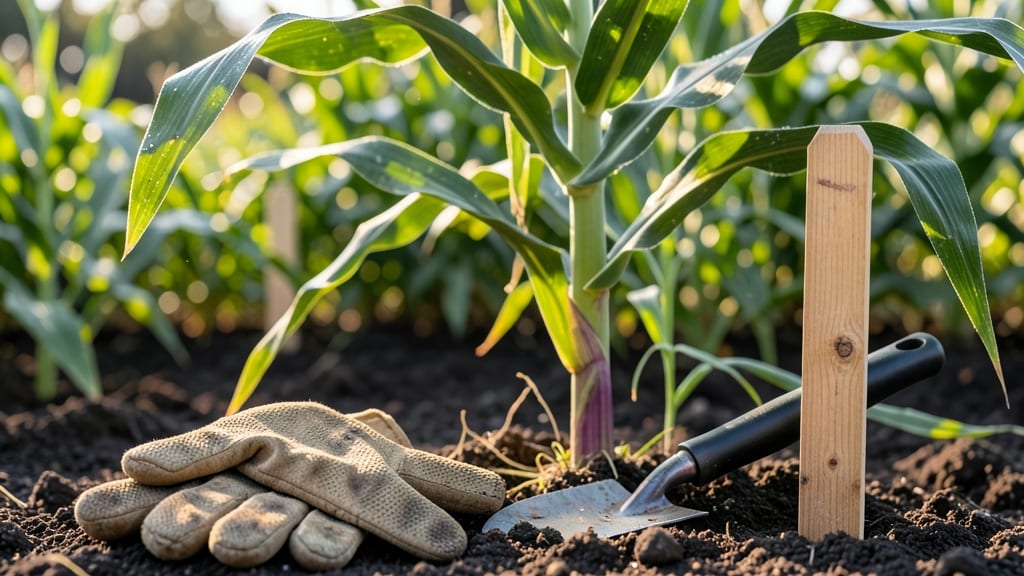
If you’ve ever wondered why some North Carolina gardeners pull in bountiful corn harvests while others struggle with stunted plants, the answer lies in timing. Planting your 🌽 too early risks frost damage, while waiting too long means missing the sweet spot for peak yields in zones 6b–8a.
North Carolina’s diverse climate—from the cooler mountain regions to the humid coastal plains—means there’s no one-size-fits-all answer. But with the right planting window, soil temperature tricks, and variety choices, you can turn your garden into a cornucopia of fresh, juicy ears.
Let’s break down the exact dates and strategies that work for your specific corner of the state.
Whether you’re a first-time gardener or a seasoned grower, knowing when to plant corn in North Carolina isn’t just about the calendar—it’s about reading your local microclimate.
From Piedmont’s warm springs to the coastal areas’ delayed frost risks, we’ll cover everything you need to avoid common pitfalls and maximize your harvest.
Ready to grow corn that’s sweeter and more abundant than ever? Grab your gloves, and let’s dive into the science-backed timing that’ll have your garden thriving from late summer to early fall.
North Carolina corn planting calendar by USDA zone (when to start seeds & transplant)
North Carolina spans USDA zones 6b to 8a, creating unique planting windows for corn. The key is aligning your schedule with soil temperatures (ideal: 60°F+) and last frost dates, which vary dramatically from the mountains to the coast.
For mountain regions (zones 6b-7a), start seeds indoors 4-6 weeks before last frost (typically late March), while coastal areas (zones 7b-8a) can plant directly outdoors as early as mid-March.
Most gardeners in NC focus on two planting windows: the primary spring window (April-May) and a succession planting in late June for fall harvests. The difference between these windows can mean the difference between plump, sweet kernels and dry, starchy ears.
Let’s break down the exact timing for each zone.
For early varieties (60-70 days to maturity), like 'Early Sunglow', you can push the envelope and plant as early as late March in coastal zones.
Meanwhile, late varieties (90+ days), such as 'Silver Queen', need to be planted by mid-May to avoid fall frost and ensure full maturity. Always check your local frost dates—tools like the NC State Extension’s frost calendar are invaluable.
Soil temperature is non-negotiable for corn. Use a soil thermometer to confirm readings of at least 60°F before planting. Cold soil slows germination and can lead to rot or weak seedlings.
In mountain regions, this often means waiting until mid-April, while coastal areas can start as early as late March.
Pro tip: If you’re in a transition zone (7a/7b), consider using black plastic mulch to warm the soil faster. This can shave off 1-2 weeks from your planting window, giving you an earlier harvest. Just be sure to remove it once plants are established to prevent overheating.
For succession planting, aim to stagger plantings every 2-3 weeks after your initial window. This ensures a continuous harvest and prevents overwhelming your kitchen with corn all at once.
In NC’s climate, a late June planting often yields the sweetest ears in September-October, just before cooler weather sets in.
Remember: Corn is a heavy feeder, so prepare your soil with compost or aged manure 2-3 weeks before planting. In sandy soils (common in coastal NC), add organic matter to retain moisture, while clay-heavy soils in the Piedmont benefit from gypsum to improve drainage.
How to adjust corn planting for North Carolina’s microclimates (heat, humidity & late frost risks)
North Carolina’s diverse geography—from the cool mountain regions to the humid coastal plains—means corn planting strategies must adapt. In the Piedmont, where USDA zones 7a-7b dominate, late spring frosts can still threaten tender seedlings.
Meanwhile, coastal areas (zone 8a) face higher humidity and earlier heat waves, demanding different timing and care.
For mountain gardeners (Asheville, Boone), aim to plant after April 15 when soil warms to 60°F. Use row covers if frosts linger into May. Coastal gardeners (Wilmington, Morehead City) can start 2-3 weeks earlier (mid-April), but watch for soil saturation—corn hates soggy roots.
Humidity is a double-edged sword: it speeds up growth but also increases fungal risks. In high-humidity zones, space plants 6 inches apart for airflow and avoid overhead watering. For drought-prone inland areas (Fayetteville, Raleigh), opt for drought-tolerant varieties like 'Silver Queen' or 'Peaches and Cream'.
- 🏔️ Mountains (Zones 6b-7a): Plant May 1-15 after last frost (avg. April 15). Use black plastic mulch to warm soil faster.
- 🌊 Coastal (Zone 8a): Start April 1-15 but monitor for soil compaction. Elevate beds if drainage is poor.
- 🏙️ Piedmont (Zones 7b-8a): Ideal window is April 15-May 1. Succession plant June 15 for fall harvests.
- 🌡️ All Regions: Wait for soil temps ≥60°F (use a soil thermometer). Test with your finger—if 6 inches deep feels warm, it's ready!
Variety choice matters too. In hot, humid areas, early-maturing hybrids (60-70 days) like 'Ambrosia' avoid heat stress. For shorter seasons (mountains), mid-season types (80-90 days) like 'Bodacious' perform best. Always check the seed packet for days to maturity and adjust planting dates accordingly.
Pro tip: Plant a mix of varieties to stagger harvests. For example, start with 'Golden Bantam' (early) in April, then add 'Country Gentleman' (late) in June. This ensures continuous fresh corn from July through October.
Finally, watch for late frost warnings from your local Cooperative Extension office. In Zone 7a, a May frost can wipe out seedlings—so have row covers ready. Coastal gardeners should also space plants wider to prevent corn smut in damp conditions.
With these adjustments, you’ll beat NC’s microclimate challenges and enjoy homegrown corn all season—from crisp mountain harvests to sweet coastal bounty. 🌽