
Plants
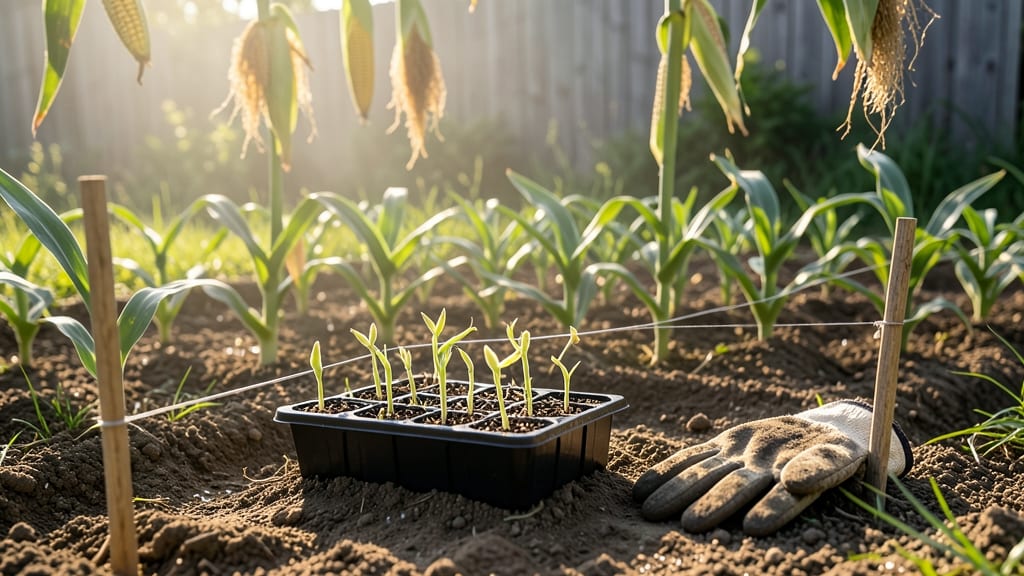
Planting corn in Pennsylvania at the right time is the key to unlocking a thriving garden—get it wrong, and you might end up with stunted plants or a disappointing harvest.
The perfect window comes after the last frost when soil temperatures consistently reach 50°F or warmer, typically between late April and early May depending on your zone.
For gardeners in Pennsylvania, timing matters because corn thrives in warm conditions and needs 60-90 days to mature. Whether you're growing sweet corn for summer meals or field corn for fall storage, planting too early risks frost damage, while waiting too long can shorten the growing season.
I’ll break down the exact weeks before last frost that work best for your region.
Local climate quirks like unpredictable spring weather can throw off even the most careful plans. That’s why I’ll share proven strategies to adjust planting times, from using soil thermometers to choosing the right varieties for Pennsylvania’s zones 5-7.
You’ll also discover common mistakes to avoid—like planting too deep or ignoring soil moisture—that can make or break your corn crop.
Ready to grow corn that’s tall, healthy, and ready for harvest? Let’s dive into the exact planting schedule tailored for Pennsylvania’s climate, so you can enjoy a bumper crop from summer through fall.
Pennsylvania corn planting dates by hardiness Zone: exact weeks before last frost
Pennsylvania's diverse climate—spanning USDA Zones 5-7—means corn planting dates vary dramatically from southern to northern regions. In Zone 5 (northwest PA), you'll plant 2-3 weeks later than in Zone 7 (southeastern PA). The key? Planting when soil temperatures hit 60°F (15°C) consistently, not just air temperature.
Most Pennsylvania gardeners aim to plant corn 2-3 weeks after the average last frost date, but this varies by variety. Sweet corn, for example, needs 75-90 days to mature, while field corn can take 100+ days.
Using local frost data from sources like the Penn State Extension ensures you don't miss the window.
Here’s the breakdown by zone—use this as your planting calendar for 2024 (adjust 1-2 weeks based on your microclimate).
If you're planting sweet corn, aim for 3–4 plants per variety to ensure pollination. Field corn and popcorn can handle larger blocks, but isolate varieties by at least 25 feet to prevent cross-pollination. For example, planting Golden Bantam popcorn near Silver Queen sweet corn will ruin both harvests.
Pennsylvania’s northern regions often face cold snaps in May, so I recommend using a soil thermometer ($15–$20) to confirm 60°F (15°C) at 4-inch depth. Air temperature can be misleading—soil needs to warm up consistently for 5–7 days before planting.
In Zone 5, this might push planting to late May.
For southern PA (Zone 7), you can start indoor seedlings in late March and transplant after the last frost. Use biodegradable pots to avoid root disturbance. Harden off seedlings for 7–10 days by placing them outdoors during the day and bringing them in at night.
One common mistake? Planting too early in Zone 5–6 and risking frost damage to young plants. Corn is extremely sensitive to frost—even 28°F (-2°C) can kill seedlings. If frost threatens after planting, cover seedlings with row fabric or old blankets secured with bricks.
In Zone 7, you can extend your harvest by succession planting every 2 weeks from April 15–June 1. This ensures a continuous supply of fresh ears through July–September. Just remember: late plantings won’t mature before first frost (typically October 15–November 1 in PA).
For organic gardeners, work in compost or aged manure 2–3 weeks before planting to boost soil fertility. Corn is a heavy feeder and needs phosphorus-rich soil for strong roots.
A soil test (available through Penn State Extension for ~$20) will tell you if you need to add bone meal or rock phosphate.
Finally, keep an eye on corn earworm and corn borer threats. Planting Bt corn varieties (like DeKalb 582) or using row covers early in the season can reduce pesticide use by up to 70%
How to adjust corn planting time for Pennsylvania’s unpredictable spring weather
Pennsylvania’s spring weather can be as unpredictable as a garden gnome’s mood—one day warm and sunny, the next a surprise frost that threatens your tender corn seedlings.
If you’ve ever planted corn only to watch it wilt from a late frost, you know how critical it is to adjust planting times based on real-time conditions. The key is flexibility: knowing when to plant, when to wait, and when to protect seedlings if Mother Nature throws a curveball.
Most gardeners aim to plant corn 2-3 weeks after the last frost date, but Pennsylvania’s zones 5-7 often experience late frosts that can linger into May.
For example, in Zone 5 (western PA), the average last frost is around April 25th, but cold snaps can push it to May 10th. In Zone 7 (southeastern PA), the window opens earlier, but a single 28°F night can devastate young plants.
The solution? Monitor soil temperatures and stay ready to act.
A soil thermometer is your best friend when adjusting planting times. Corn seeds won’t germinate well in soil colder than 50°F, and seedlings struggle below 55°F. If your thermometer reads below 50°F for more than a few days, hold off on planting.
Instead, use this time to prepare your garden beds—amend soil with compost, ensure good drainage, and mark your planting rows. Patience now means a stronger crop later.
🔹 Pro Tip: If you’re worried about late frosts, opt for early-maturing varieties (like ‘Ambassador’ or ‘Silver Queen’) that can tolerate cooler soils and still reach harvest before the first fall frost.
These varieties typically mature in 60-70 days, giving you a wider planting window and a safety net against unpredictable weather.
Another strategy is to use frost cloth or row covers to protect seedlings if a frost warning pops up after planting. These lightweight covers raise soil temperatures by 2-5°F and shield young plants from chilly nights. Just
For gardeners in Zone 6 or 7, who often face earlier springs, consider a staggered planting approach. Plant a small batch every 1-2 weeks until mid-June to ensure a continuous harvest. This method also helps spread out your risk—if one planting gets hit by frost, the others may still thrive. Plus, it gives you fresh corn for 6-8 weeks, which is a game-changer for summer meals.
Here’s a quick