
Plants
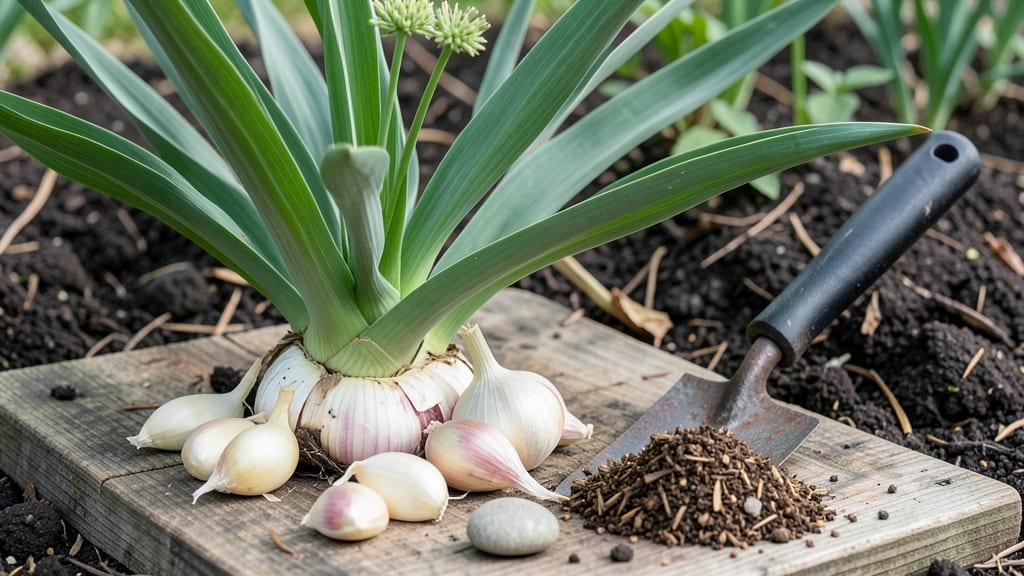
Timing your 🧄 garlic planting in Alabama isn’t just about throwing cloves in the dirt—it’s about matching your variety to the state’s unique chill-hour zones (7b-8a) to avoid bitter, bolting bulbs.
Plant too early, and your garlic might rot before winter; too late, and you’ll miss the sweet spot for flavorful harvests in April-May.
Most Alabama gardeners swear by fall planting between October and November, when soil temps drop but frost hasn’t arrived. But did you know hardneck varieties (like Music or Chesapeake) need 300-500 chill hours, while softnecks thrive with fewer?
Getting this right means the difference between store-bought blandness and homegrown, award-winning garlic.
I’ll walk you through the exact window for your zone, soil prep tricks to prevent bolting, and why February planting is a gamble unless you’re growing softnecks. Spoiler: The key isn’t just when you plant—it’s how you prep the soil and protect those cloves from Alabama’s unpredictable winters.
Skip the guesswork and learn how to time it perfectly for zero-bolt, max-flavor garlic that’ll make your neighbors ask for cuttings. Let’s get started.
Alabama garlic planting calendar: chill-hours breakdown by variety
Alabama’s USDA Zones 7b-8a create a unique challenge for garlic growers. Unlike colder climates, we don’t get enough chill hours (below 40°F) to grow traditional hardneck varieties without bolting.
The key is selecting varieties that match Alabama’s 300-1200 chill-hour range—most hardnecks need 900+ hours, while softnecks thrive with just 300-500.
For zero-bolt garlic, focus on softneck varieties like Silverskin or Artichoke, which store longer and handle Alabama’s mild winters. Hardnecks like Music or Chesapeake can work if planted early enough to accumulate chill hours before spring warmth triggers bolting.
Here’s how Alabama’s chill-hour zones break down by region and variety:
| Variety Type | Chill-Hour Needs | Best Alabama Regions | Planting Window | Harvest Time |
|---|---|---|---|---|
| Softneck (Silverskin) | 300-500 hours | All regions | October-November | April-May |
| Softneck (Artichoke) | 400-600 hours | North/Central AL | September-October | May-June |
| Hardneck (Music) | 900-1200 hours | North AL only | October | May-June |
| Elephant Garlic | 500-800 hours | Central/South AL | November | June-July |
If you’re in North Alabama (Zone 7b), you can experiment with hardneck varieties like Chesapeake or German White, but plant them by October 15th to ensure they get enough chill hours before spring.
For Central and South Alabama (Zone 8a), stick to softnecks or elephant garlic to avoid bolting.
Pro tip: Use a chill-hour calculator (like the one from University of Georgia Extension) to track your local chill hours. Aim for at least 400 hours for reliable bulb formation, even with softnecks.
For spring planting (February), only attempt it in North Alabama with hardnecks—most Alabama gardeners skip spring garlic due to unreliable chill accumulation and higher bolting risks.
Remember: Soil temperature matters too. Plant when soil is 60-70°F (October-November) for ideal root establishment before winter. Warmer soils in South Alabama may require earlier planting (late September) to prevent bolting.
🌱
Step-by-step Alabama garlic planting guide: soil to harvest timing
Planting garlic in Alabama isn’t just about dropping cloves in the dirt—it’s about creating the perfect conditions for bold flavors and zero bolting. Start by testing your soil’s pH (6.0-7.0); Alabama’s clay-heavy soils often need compost or aged manure to improve drainage.
I always mix in a 2-inch layer of compost before planting to give my garlic a nutrient-rich head start.
Choose a sunny spot with at least 6 hours of sunlight daily. In Alabama’s heat, afternoon shade helps prevent early bolting. Break apart garlic bulbs into individual cloves, ensuring each has a small root attached.
Plant the pointy end up, 2 inches deep, with 4-6 inches between cloves in rows spaced 12 inches apart.
🌱 Step-by-Step Planting Timeline
- October 1-15: Plant hardneck varieties (e.g., Music) when soil temps drop below 70°F.
- November 1-15: Add 2-3 inches of straw mulch to insulate cloves from winter freezes.
- February-March: Remove mulch to reveal green shoots (sign of active growth).
- April 15-May 1: Side-dress with balanced fertilizer (10-10-10) if leaves look pale.
- May-June: Harvest when lower leaves brown and bulbs feel firm.
After planting, water deeply to settle the soil, then reduce watering to once weekly during fall/winter. Alabama’s unpredictable winters mean you might need to add mulch in December if temps drop below 20°F. In February, remove mulch to encourage growth, but avoid heavy watering—overwatering causes rot.
By April, your garlic should show green shoots 6 inches tall. This is when I start checking for bolting (flower stalks). If you see any, snip them immediately to redirect energy to bulb formation. Hardneck varieties may bolt naturally, but softnecks should never bolt—this signals planting too late.
Harvest time arrives when lower leaves turn brown and upper leaves stay green. Gently dig up bulbs with a fork, being careful not to pierce them. Cure harvested garlic in a dry, shady spot for 2-3 weeks to develop flavor and storage life.
In Alabama’s humidity, I often braid softneck varieties for long-term storage.
Pro tip: Save the largest, healthiest bulbs for next year’s planting. Alabama’s climate rewards patience—your first year’s harvest will be smaller, but subsequent years yield plump, award-winning garlic that’s worth the wait. 🧄