
Plants
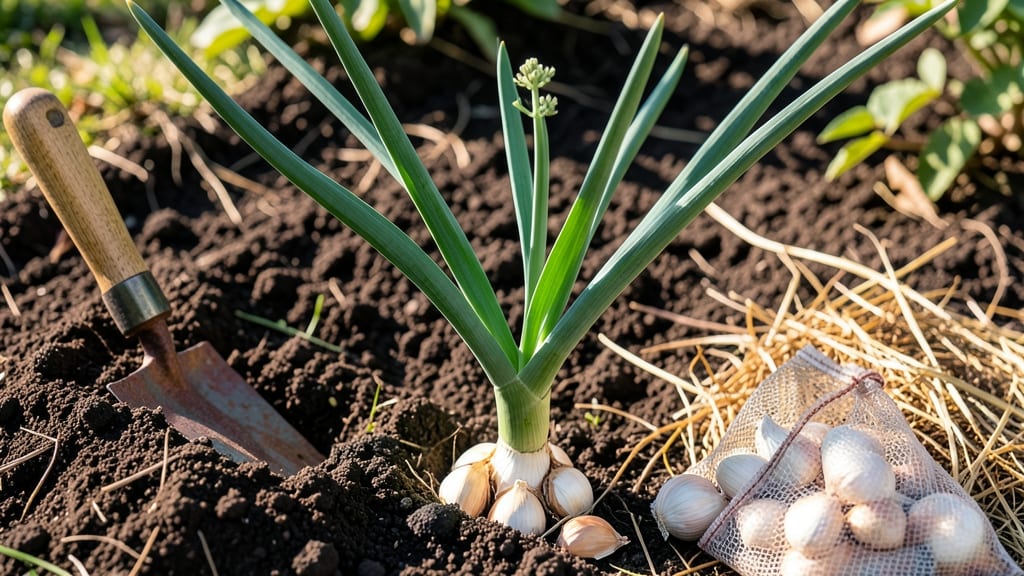
Planting garlic at the wrong time in Tennessee can turn your 🧄 dreams into disappointment—bolting cloves, weak growth, or even total failure. But timing it right guarantees plump, flavorful bulbs that rival store-bought (and taste 10x better).
In zones 6a-7b, fall planting is your best bet, but missing the window by even a few weeks can ruin your harvest. Whether you're a first-time gardener or a seasoned grower, knowing the exact deadlines for hardneck vs. softneck varieties makes all the difference.
I’ll break down the critical planting windows for Tennessee’s climate, plus how to prep your soil and spot the perfect signs your timing is right. No more guesswork—just a foolproof plan for zero-bolt success next summer.
Ready to grow garlic that’s bigger, stronger, and packed with flavor? Let’s get started with the exact steps that work in Tennessee’s unpredictable fall weather.
Tennessee’s fall planting deadlines by garlic variety (hardneck vs softneck)
Tennessee’s USDA zones 6a-7b create a tight window for planting garlic—getting the timing wrong means bolting cloves or stunted growth. The key is planting 4-6 weeks before the ground freezes, typically between mid-October and early November. But your choice of hardneck vs. softneck varieties changes the deadline slightly.
Hardneck varieties like ‘Music’ or ‘Chesnok Red’ are Tennessee’s top pick—they thrive in cold winters and produce those prized hardneck scapes. Softnecks like ‘Silverskin’ are more flexible but need slightly earlier planting to mature fully. Missing the window? You’ll risk weak bulb development or even total failure.
Here’s the breakdown by region and variety—because Tennessee’s first frost dates shift from mid-October in the mountains to late October in the valleys.
| Variety | Ideal Planting Window | Last-Chance Date (Mountains) | Last-Chance Date (Valleys) | Notes |
|---|---|---|---|---|
| Hardneck (e.g., 'Music', 'Chesnok Red') | October 15–November 1 | October 20 | November 5 | Best for cold winters; scapes form in spring. |
| Softneck (e.g., 'Silverskin', 'Artichoke') | October 1–October 15 | October 10 | October 25 | More flexible; stores longer but needs earlier start. |
| Elephant Garlic (e.g., 'Inchelium Red') | October 1–November 1 | October 15 | November 1 | Larger bulbs; plant slightly later than hardnecks. |
For East Tennessee (zones 6a-6b), aim for planting by October 20—any later and your garlic may not fully mature before the first hard freeze.
In Middle Tennessee (zone 7a), you’ve got until November 1, while West Tennessee (zone 7b) can stretch to November 10 in mild years.
Missed the fall window? Don’t panic—spring planting is possible in Tennessee, but your harvest will be smaller. Plant hardneck varieties in early March for a summer crop, though softnecks struggle with this method. The trade-off? Bolting risk increases if temps rise too fast.
One non-negotiable rule: Never plant garlic when the ground is frozen or soggy. Amend your soil with compost or aged manure before planting to improve drainage—waterlogged soil is garlic’s worst enemy. Aim for well-draining, slightly acidic soil (pH 6.0–7.0).
Pro gardeners in Tennessee swear by planting by the moon—specifically the waning moon in October for root crops. While science doesn’t fully back this, many report larger bulbs when following lunar cycles. Test it yourself and see!
After planting, mulch heavily with straw or leaves to protect cloves from freeze-thaw cycles. Remove mulch in early spring to prevent rot as temps rise. Your garlic will thank you with bold, flavorful bulbs ready by July or August.
Remember: Tennessee’s garlic success hinges on two things—timing and soil prep. Get both right, and you’ll harvest garlic that puts store-bought to shame. 🧄
Tennessee’s fall planting deadlines by garlic variety (hardneck vs softneck)
Tennessee’s USDA zones 6a-7b create a unique challenge for garlic growers—plant too early, and your cloves rot; too late, and they bolt before forming bulbs. The key is planting 4-6 weeks before the first hard frost, which typically hits between mid-October and early November across the state.
For most of Tennessee, the ideal planting window is mid-October to early November. This gives your garlic enough time to establish roots before winter dormancy. But timing varies by region—eastern Tennessee (zone 6a) has a shorter window than middle/western Tennessee (zone 7a).
🧄 Tennessee Garlic Planting Deadlines by Variety
| Variety | Ideal Planting Window | Last-Chance Date (Zone 6a) | Last-Chance Date (Zone 7a) | Notes |
|---|---|---|---|---|
| Hardneck (e.g., Music, German Red) | Mid-October to early November | October 20-31 | November 1-15 | Best for flavor and scapes; needs cold to form bulbs. |
| Softneck (e.g., Silverskin, Artichoke) | Late October to early December | November 1-15 | November 15-December 1 | More frost-tolerant; better for storage. |
| Elephant Garlic (Giant) | Mid-October to early November | October 20-31 | November 1-10 | Larger cloves; plant 2" deeper for stability. |
Hardneck varieties like Music and German Red are Tennessee favorites—they thrive in our winters and produce those prized scape shoots in spring. But they’re less frost-tolerant than softnecks, so don’t push the deadline past early November in zone 6a.
If you’re in western Tennessee (zone 7a), you’ve got a little more flexibility—softneck varieties like Silverskin can handle planting as late as early December. Just be prepared for smaller bulbs if you wait too long.
Pro tip: Check your local first frost date (use the Old Farmer’s Almanac or Almanac.com) and count backward 6 weeks. That’s your sweet spot for planting. And remember—soil temperature matters more than air temperature. Aim for 50-60°F at planting time.