
Plants
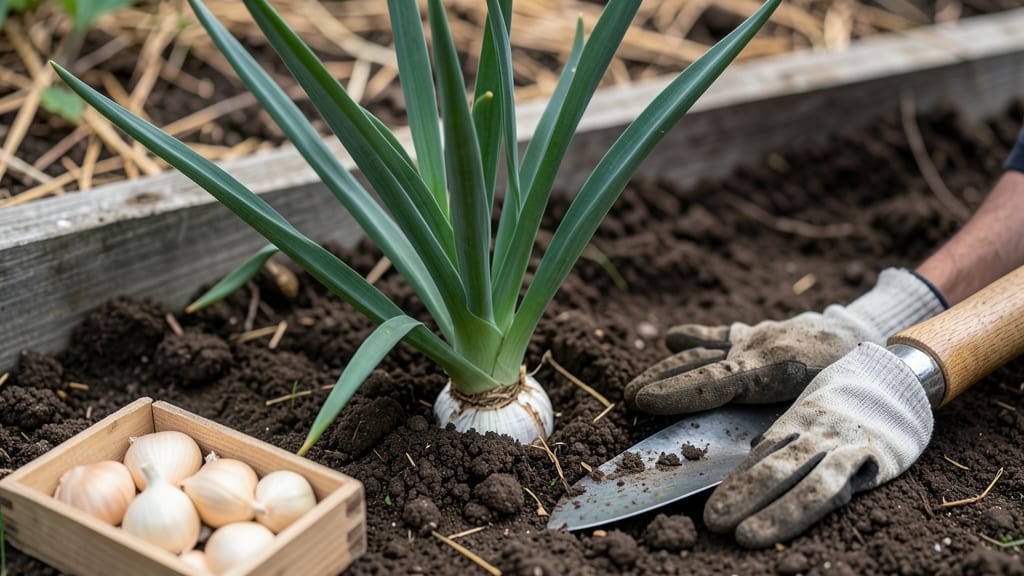
Planting garlic at the wrong time in Tennessee can mean the difference between a bumper crop of 🧄 and a disappointing harvest. The key to growing plump, flavorful bulbs starts with timing—specifically, knowing exactly when to plant in your 6a-7b zone for zero-frost varieties.
Fall is the only window for success, but even a few weeks off can shrink your harvest. I’ll break down the perfect planting dates for Tennessee’s climate, including how to adjust for early frosts and avoid planting too late before hard freezes.
Whether you’re a seasoned gardener or just starting, these insights will help you maximize your yield.
Most gardeners in Tennessee plant between October and November, but the exact timing depends on your microclimate. We’ll cover how to prep your soil, choose the right varieties, and even use frost to your advantage.
Get ready to grow the biggest, most flavorful garlic bulbs your Tennessee garden has ever seen.
Don’t wait until it’s too late—this is your chance to learn the most important steps for a foolproof garlic harvest. Let’s get those cloves in the ground at the perfect moment for a summer full of harvests.
Best fall planting dates for garlic in Tennessee’s climate zones
Tennessee’s USDA Zones 6a-7b create a unique challenge for garlic growers—plant too early, and your cloves rot in soggy soil; too late, and your bulbs won’t mature before summer heat. The ideal window spans mid-October to early November, but exact timing depends on your specific microclimate.
For zero-frost varieties (like Silverskin or Artichoke), this means no need to worry about hard freezes—just focus on soil temperatures dropping below 50°F.
Most Tennessee gardeners target 4-6 weeks before the first hard frost (typically mid-November in most regions). This gives garlic enough time to establish roots before winter dormancy.
In western TN (Zone 7b), you might push planting to early November, while eastern TN (Zone 6a) gardeners should aim for late October to avoid early freezes. Always check your local frost date averages—the Old Farmer’s Almanac is a great resource.
Hardneck varieties (like Rocky Mountain) need cold vernalization—they perform best when exposed to winter temperatures between 30-40°F for at least 60 days. Softneck varieties (like California Early) are more flexible but still benefit from a cool winter.
If you’re in a warmer microclimate (e.g., near the Tennessee River Valley), opt for softnecks or plant slightly later.
Pro Tip: Use a soil thermometer to confirm temperatures are consistently below 50°F before planting. Garlic cloves won’t sprout until soil cools—planting in warm fall soil can lead to rot or slow growth. Aim for 40-50°F soil temps at planting time for the best start.
Here’s how to adjust for early vs. late frosts:
- Early frost risk (Zone 6a): Plant by October 15 to avoid stunted growth.
- Late frost risk (Zone 7b): Push to November 1-10, but avoid planting after November 15—cloves need time to root before winter.
For organic gardeners, Tennessee’s humid climate means prioritizing well-draining soil. Amend beds with compost or aged manure in late summer (August-September) to improve drainage and fertility. Avoid fresh manure—it can burn cloves and attract pests like garlic moths.
One common mistake? Planting store-bought garlic (often treated to prevent sprouting). Instead, source organic seed garlic from local nurseries like Tennessee Garlic Growers or Southern Exposure Seed Exchange. These cloves are untreated and certified disease-free, giving you the best chance for large, flavorful bulbs.
Finally, mulch heavily after planting—use straw or leaves (4-6 inches) to insulate cloves during winter. This prevents heaving (when bulbs push out of the soil) and ensures even growth. In southern TN’s warmer pockets, a lightweight mulch (like pine straw) works best to avoid smothering cloves.