
Plants
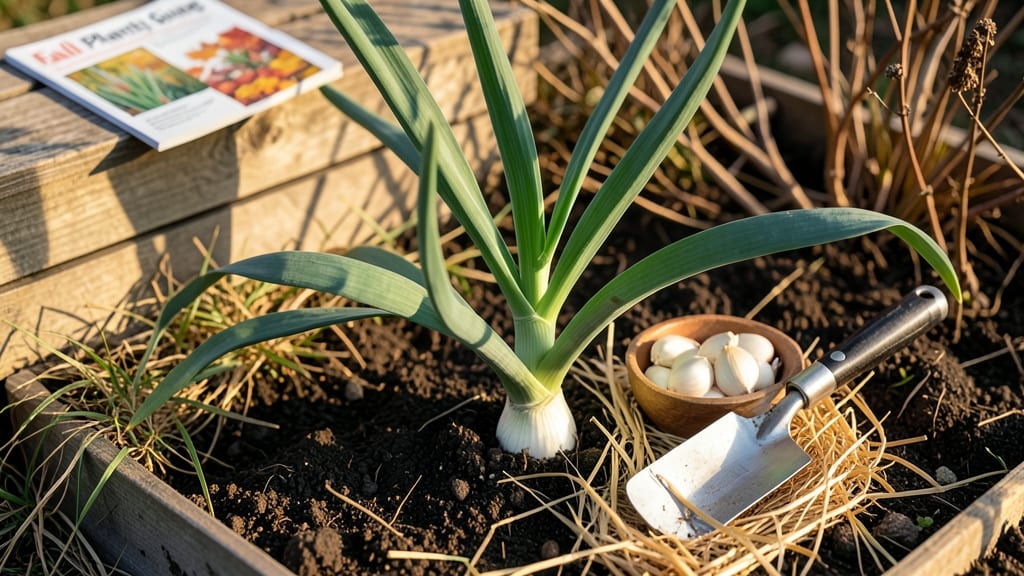
If you’ve ever wondered when to plant garlic in Vermont, timing is everything—especially when your harvest depends on surviving 5b-6a winters. Plant too early or late, and you risk weak bulbs or frost damage.
But get it right, and you’ll enjoy plump, flavorful 🧄 harvests from late June to July.
The key is planting 4-6 weeks before the ground freezes—typically between September and October. This gives the roots time to establish before winter dormancy kicks in. For those who prefer spring planting, aim for March to early April, but be prepared to adjust if late frosts linger.
Vermont’s climate means traditional methods—like planting in October—often work best, but soil temperature and variety matter too. Hardneck varieties thrive in colder zones, while softnecks need slightly warmer starts. I’ll break down the exact frost-date rules and variety-specific tips so you can avoid common mistakes.
Whether you’re a first-time grower or a seasoned gardener, mastering these timing tricks will help you grow garlic that’s bigger, stronger, and ready for your kitchen. Let’s dive into the cheat sheet that’ll make your next harvest your best yet.
Vermont garlic planting dates by hardiness Zone & variety
Vermont’s USDA Zones 3-4 create unique challenges for garlic growers, but with the right timing, you can thrive. Most gardeners aim to plant 4-6 weeks before the first hard frost, typically between mid-September and mid-October.
This gives garlic roots time to establish before winter dormancy. However, Vermont’s northern counties (like Grand Isle) often need to plant 2 weeks earlier than southern areas (like Bennington).
Hardneck varieties like ‘Music’ and ‘German White’ are the top choices for Vermont’s climate, as they handle cold better than softnecks. Elephant garlic, while milder, also performs well but may need slightly later planting. The key is ensuring soil temperatures stay above 40°F for root growth before the ground freezes.
Spring planting is possible but riskier—aim for early March to mid-April—but this method often yields smaller bulbs due to Vermont’s short growing season. Most local experts recommend sticking with fall planting for maximum yield and flavor.
| Variety Type | Best Planting Window | Vermont Zone Adjustment | Harvest Time | Cold Hardiness |
|---|---|---|---|---|
| Hardneck (e.g., 'Music') | Mid-Sept to mid-Oct | Northern VT: 2 weeks earlier | Late June | Zone 3-4 (excellent) |
| Hardneck (e.g., 'German White') | Late Sept to early Oct | Southern VT: 1 week later | Early July | Zone 3-4 (excellent) |
| Softneck (e.g., 'Silverskin') | Late Oct to early Nov | Risky; prefers milder climates | Mid-July | Zone 5+ (limited) |
| Elephant Garlic | Late Sept to early Oct | Same as hardnecks | Late June | Zone 3-4 (good) |
| Spring Planting | Early March to mid-April | Not recommended for best yield | July (smaller bulbs) | Zone 3-4 (possible) |
For northern Vermont (e.g., Burlington, St. Johnsbury), prioritize early planting by September 15th to avoid frost damage. In southern Vermont (e.g., Rutland, Manchester), you can extend planting until October 15th while still achieving strong yields. Always check your local last frost date—Vermont’s can vary by 1-2 weeks between regions.
One common mistake is planting too late. If you miss the fall window, your garlic may not mature fully before Vermont’s short growing season ends. Hardneck varieties are your best bet—they store energy in their scapes and bulbs during winter, making them ideal for Vermont’s climate.
Save your softneck varieties for milder zones or greenhouse growing.
Local Vermont gardeners often swear by ‘Chesnok Red’ for its bold flavor and Zone 3 hardiness. This variety thrives when planted in well-draining soil with full sun exposure, and it’s a favorite for both home gardens and farmers' markets.
For a milder taste, ‘German White’ is another top pick, especially in southern Vermont where winters are slightly less harsh.
After planting, mulch heavily with straw or leaves (4-6 inches) to insulate bulbs during winter. This protects against heaving (when soil freezes and thaws, pushing bulbs out of the ground).
In spring, remove mulch gradually to prevent rot as temperatures rise. Most Vermont gardeners see their garlic emerge in late April to early May, depending on snow cover.
If you’re new to garlic growing, start with 10-20 cloves to test your soil and timing. Vermont’s acidic soils (pH 5.0-6.0) are perfect for garlic—just amend with compost if your soil is heavy clay.
Avoid fresh manure, as it can burn cloves and reduce yield. Instead, use well-aged compost or a balanced fertilizer (5-10-10) in early spring for a nutrient boost.
Remember, Vermont’s short growing season means every day counts. Planting at the right time and choosing the right variety will give you plump, flavorful bulbs ready for harvest by <
How to adjust planting dates for Vermont’s unpredictable spring weather
Vermont’s spring weather can be a gardener’s worst nightmare—one day it’s 60°F and sunny, the next, a hard frost hits overnight. If you’re planting garlic in March or April, these swings mean you must stay flexible.
Unlike fall planting, where the ground freezes predictably, spring planting requires constant monitoring of soil temperatures and frost forecasts.
Most gardeners in Vermont’s Zone 4-5 regions wait until mid-April to plant garlic, but this isn’t foolproof. Late frosts can still occur, especially in northern counties like Essex or Orleans.
If you plant too early and a 28°F freeze hits, your garlic cloves may rot before sprouting. To avoid this, use a soil thermometer—ideal planting temps hover around 40-50°F.
If your area has a history of late frosts (like Burlington or St. Johnsbury), delay planting until after May 1. Check the NOAA frost prediction maps or local Vermont Weather Network for updates.
Another trick is to use row covers or cold frames if you plant early. These create a 5-10°F warmer microclimate, giving your garlic a head start. For example, if you plant in late March but cover the bed with frost cloth, you might avoid damage from a 32°F night. Just
If you’re risk-averse, consider a two-phase planting strategy: plant half your garlic in October (traditional method) and the other half in early April. This way, even if one batch fails due to weather, you’ll still have a harvest. For example, German White garlic planted in fall often outperforms spring-planted Music in Vermont’s climate.
Finally, watch for snow cover in spring. A thick blanket of snow can delay soil warming, pushing back planting by 1-2 weeks. If your ground stays frozen past April 15, don’t rush—wait for the soil to thaw at least 4 inches deep.
Patience here prevents soggy, rotting cloves.
By combining soil thermometer checks, frost forecasts, and protective covers, you can turn Vermont’s unpredictable spring into your garlic’s advantage. The goal? Healthy sprouts by May 1 so they’re ready to bulk up before summer heat arrives. 🌱