
Plants
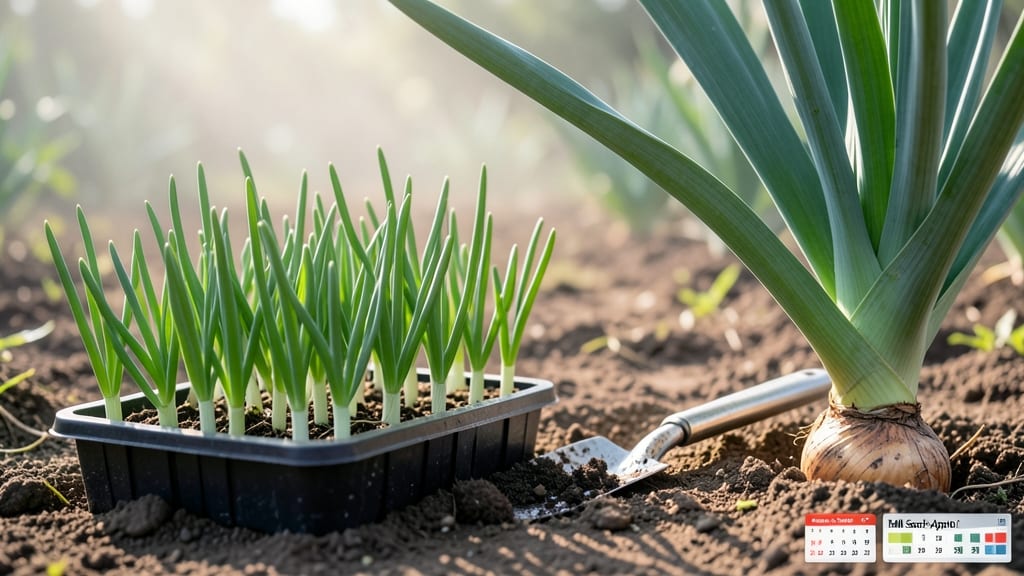
If you've ever wondered when to plant onions in Ohio, timing is the secret to avoiding bitter surprises in your garden. Ohio's 6a climate means you can grow these versatile veggies in both spring and fall—but getting it wrong can lead to bolting onions or missed harvests.
The key is understanding your onion variety: short-day types need early spring planting, while long-day onions thrive when started in fall. With Ohio's last frost typically around mid-April, you've got a narrow window to get sets or seeds in the ground for spring harvests between June and August.
I'll walk you through the exact planting schedule for each variety type, plus Ohio-specific tips to prevent common mistakes. Whether you're growing sweet onions for salads or storage bulbs for winter, mastering these timing details makes all the difference in your garden's success.
Let's dive into the perfect planting calendar so you can enjoy homegrown 🧅 all season long without the guesswork. You'll learn when to plant for maximum yield and how to adjust for Ohio's unpredictable weather patterns.
Ohio onion planting calendar: best months for short-day, intermediate, and long-day varieties
Ohio’s variable climate makes onion planting tricky—get it wrong, and you’ll either have bolting onions or miss the harvest entirely. The key? Matching your onion variety to Ohio’s frost dates and daylight hours.
Most Ohio gardeners fall into USDA Zone 5-6, where last frosts hit mid-April and first frosts arrive by mid-October.
Onions are classified by daylength requirements: short-day (like Texas Early White), intermediate (Sweet Spanish), and long-day (Yellow Sweet Spanish). Planting at the wrong time for your variety means small bulbs or no bulbs at all.
For example, long-day onions need 14+ hours of daylight to form bulbs—something Ohio doesn’t hit until late spring.
Here’s the golden rule for Ohio: Plant short-day onions in early spring (March) or late summer (August), while long-day onions need April-May planting. Intermediate varieties offer flexibility—try them in March or September.
Always aim to harvest before July 4th for spring plantings or by October 15th for fall crops.
| Variety Type | Best Planting Window | Soil Temp Requirement | Days to Maturity | Harvest Months |
|---|---|---|---|---|
| Short-Day (e.g., Texas Early White) | March 1-15 or August 15-31 | 45-55°F (7-13°C) | 90-120 days | June-July or Sept-Oct |
| Intermediate (e.g., Sweet Spanish) | March 15-April 15 or Sept 1-15 | 50-60°F (10-16°C) | 100-130 days | July-August or Sept-Oct |
| Long-Day (e.g., Yellow Sweet Spanish) | April 1-May 15 | 55-65°F (13-18°C) | 120-150 days | July-August |
🌱 Pro Tip: Use onion sets (pre-sprouted bulbs) for spring planting—they mature faster than seeds!
Northern Ohio’s cooler microclimates (like Cleveland) need to plant 2-3 weeks later than Southern Ohio (like Cincinnati). For example, if you’re in Zone 5, wait until April 15th for long-day onions, while Zone 6 gardeners can start by April 1st.
Always check your local frost dates—Ohio’s can vary by 10-14 days between regions.
Soil temperature is just as critical as air temperature. Onions won’t sprout until soil reaches 45°F (7°C), but ideal germination happens at 55-65°F (13-18°C). Use a soil thermometer to confirm—planting too early in cold soil leads to rot or poor germination.
In Ohio, this usually means waiting until late March for sets or mid-April for seeds.
For fall planting, aim to harvest before hard frosts. Short-day onions planted in late August often mature by October 15th, while intermediate varieties need a September 1st start.
Long-day onions won’t bulb properly in fall—save them for spring. Always leave 6-8 weeks between planting and first frost to ensure bulbs cure.
Ohio’s unpredictable springs can delay planting. If frost lingers past mid-April, opt for onion sets instead of seeds—they’re ready to plant when soil warms to 50°F (10°C).
For seeds, wait until soil hits 55°F (13°C). Pro tip: Cover seeds with row fabric for 2-3 weeks to jumpstart growth in cool soil.
Don’t forget green onions—they’re the easiest for Ohio gardeners! Plant them 2-3 times during the growing season (March, June, September) for a continuous harvest. Unlike bulb onions, they thrive in cooler temps and can even survive light frosts. Perfect for Northern Ohio’s shorter seasons!
Finally, mark your calendar for Ohio’s onion planting deadlines:
- Spring: Last chance for seeds is April 15th
- Fall: Final planting by September 1st
Spring vs. fall onion planting in Ohio: which method works best for your variety?
Deciding between spring and fall onion planting in Ohio depends entirely on your onion variety. Long-day onions, like Yellow Sweet Spanish, need fall planting to mature properly, while short-day types like Texas Early White thrive with spring starts.
I’ve grown both methods in my Ohio garden, and the difference in bulb size and flavor is night and day.
Spring planting gives you a summer harvest but risks bolting if planted too late. Fall planting, however, lets onions overwinter and produces sweeter bulbs in early summer.
For Ohio’s USDA Zone 6a, timing is everything—miss the window, and you’ll end up with small, pungent onions instead of the sweet, storage-friendly bulbs you want.
Here’s the breakdown: Spring-planted onions should go in the ground 4-6 weeks before your last frost date (typically mid-March to early April). Fall-planted onions need to be in by late September to early October to establish roots before winter.
The key is adjusting for Ohio’s unpredictable weather—last year, my fall-planted onions struggled in a cold snap, but mulching saved them.
Spring vs. Fall Planting: Pros and Cons
Spring Planting
- Pros: Faster harvest (June-August), good for green onions
- Cons: Risk of bolting if planted late, smaller bulbs
Fall Planting
- Pros: Larger, sweeter bulbs, overwinters well
- Cons: Requires early planting, slower growth
For transplants vs. sets, I recommend using transplants for spring (they establish faster) and sets for fall (they’re hardier and easier to plant in cold soil). Last season, my fall-planted sets produced bulbs twice the size of my spring transplants—proof that method matters more than you’d think.
Ohio’s microclimates also play a role. Northern Ohio’s shorter growing season favors fall planting, while Southern Ohio can handle both. If you’re in Zone 6a, stick to fall for long-day onions and spring for short-day types. And always mulch heavily in winter to protect fall-planted onions from freezing.
Pro tip: Mark your calendar for March 15th (spring) and September 30th (fall)—these are my go-to dates for Ohio. Miss them, and you’ll regret it when your onions bolt or fail to mature. Trust me, I’ve learned the hard way!