
Plants
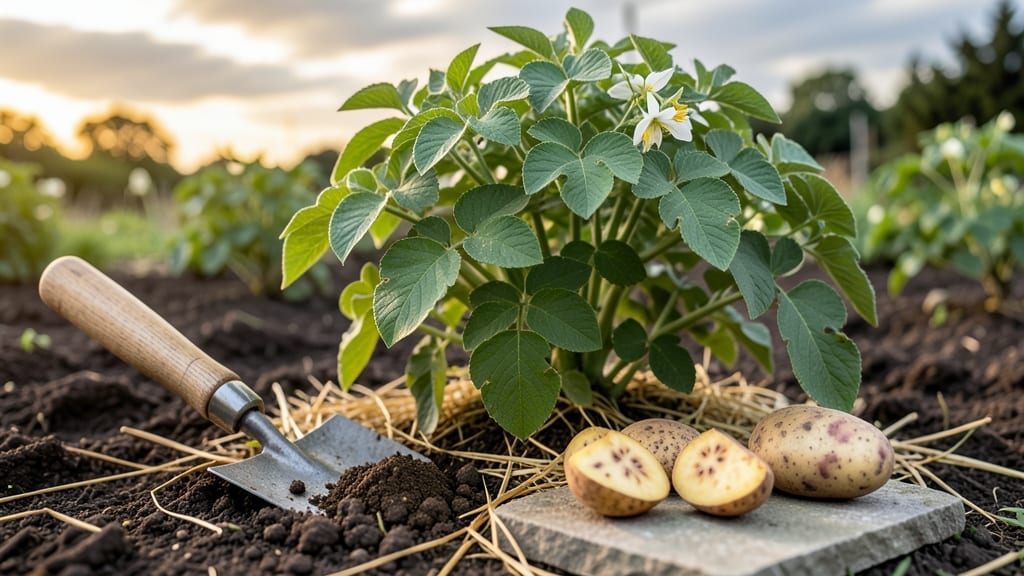
Planting potatoes in Mississippi isn’t just about grabbing seed potatoes and sticking them in the ground—it’s a high-stakes timing game where one wrong move can mean the difference between a bountiful harvest and a sad, wilted pile of 🥔.
With the state’s unpredictable frost dates and scorching summers, knowing when to plant is the key to success.
Most gardeners in USDA Zone 8a rush to get potatoes in the soil as soon as the weather warms, but that’s where things go wrong. Planting too early risks frost damage, while waiting too long leaves you scrambling in July when the heat peaks.
The sweet spot? February to March for early varieties or April to May for late ones—but it’s not just about the calendar.
Mississippi’s climate varies wildly from north to south, meaning what works in Tupelo might fail in Biloxi. Heat-tolerant varieties like Yukon Gold or Red LaSoda can stretch your growing season, but even they need the right conditions.
I’ll break down the exact planting windows, soil prep secrets, and how to adjust for your specific corner of the state.
Ready to avoid the common mistakes that waste time and money? Let’s dive into the step-by-step guide that’ll help you plant potatoes like a Mississippi pro—no guesswork, just results.
Mississippi potato planting calendar: ideal dates by region and heat zones
Mississippi’s diverse climate—from the cooler hills of North Mississippi to the sweltering Delta—means potato planting windows vary dramatically. In North Mississippi (USDA Zone 7b), where last frosts linger until March 30, aim to plant seed potatoes between February 15 and March 15.
This early start ensures tubers mature before summer heat peaks. In Central Mississippi (Zone 8a), with last frosts around March 15, shift your focus to March 1 to April 15 for optimal results.
For South Mississippi (Zone 8b), where soil temperatures soar earlier, plant late March through April 30. The key is avoiding soil temps above 85°F, which stunts tuber formation.
Always check your local Mississippi State University Extension frost maps for precise deadlines—early frosts can push planting back by weeks.
Mississippi’s frost-free season spans just 215 days, leaving little room for error. Early varieties like 'Red LaSoda' (90-day maturity) must be in the ground by March 1 in North Mississippi to harvest before summer’s relentless heat.
Late varieties like 'Yukon Gold' (110 days) can stretch planting to April 15 in cooler regions but risk heat stress in the Delta.
Here’s how to adjust for unpredictable frosts: Use row covers to extend your window by 2-3 weeks in spring or black plastic mulch to warm soil faster.
In South Mississippi, where early frosts can hit as soon as October 15, consider fall planting of cold-hardy varieties like 'Kennebec' in September for a winter harvest.
| Region | Last Frost Date | Ideal Planting Window | Soil Temp Threshold | Best Varieties |
|---|---|---|---|---|
| North Mississippi (Zone 7b) | March 30 | February 15–March 15 | 45–60°F | Red LaSoda, Kennebec |
| Central Mississippi (Zone 8a) | March 15 | March 1–April 15 | 50–65°F | Yukon Gold, Sweetheart |
| South Mississippi (Zone 8b) | February 15 | Late March–April 30 | 55–70°F | Purple Viking, German Butterball |
Mississippi’s humidity and heat demand extra caution. Planting too early (before soil reaches 45°F) risks waterlogged tubers and disease, while late planting (after April 30) exposes crops to scab and blight.
Test soil temps with a soil thermometer—ideal planting temps hover around 50–60°F. In North Mississippi, where frosts can linger, use straw mulch to insulate tubers if nights dip below 32°F.
For container growing, Mississippi gardeners can push planting 2 weeks later than in-ground dates. Pots warm faster and drain excess moisture, but ensure containers are at least 12 inches deep and use lightweight potting mix to prevent cracking.
Place containers in full sun and water consistently—containers dry out 3x faster than garden beds.
Mississippi’s short growing season means every day counts. If you miss the spring window, consider fall planting in September for a winter harvest. Choose early-maturing varieties like 'Sweetheart' (60 days) and use row covers to protect against early frosts.
Just remember: fall-planted potatoes need 60–70 days to mature before frost hits.
Pro tip: Mark your calendar for Mississippi’s average frost dates—March 15 (last spring frost) and November 15 (first fall frost)—but always verify with local data. In South Mississippi, where heat arrives early, prioritize shade cloth during peak summer to prevent tuber sunburn.
With the right timing and varieties, you can enjoy homegrown potatoes from May through October!
🥔
Best heat-tolerant potato varieties for Mississippi gardens
Mississippi’s hot summers and humid conditions demand potato varieties that can handle heat without bolting or rotting. Not all potatoes thrive here—Russet and Idaho varieties, for example, often struggle with heat stress and disease pressure.
Instead, prioritize heat-tolerant types like Yukon Gold or Red LaSoda, which deliver both flavor and resilience in our climate.
Your growing season length (typically 215 frost-free days) also dictates variety selection. Early-maturing types (e.g., Sweetheart) are ideal for North Mississippi, where cooler springs delay planting.
Meanwhile, South Mississippi gardeners can stretch into late-season plantings with longer-season varieties like Kennebec, though they require vigilant disease monitoring.
🥔 Mississippi Potato Variety Summary
| Variety | Days to Maturity | Heat Tolerance | Best For |
|---|---|---|---|
| Yukon Gold | 90-110 | Excellent | Central/South MS |
| Red LaSoda | 85-100 | Very High | North/South MS |
| Sweetheart | 70-80 | High | Early Plantings |
| Kennebec | 110-130 | Moderate | Late-Season |
| Purple Viking | 90-100 | Good | Organic Gardens |
Avoid Russet or Idaho potatoes—they’re prone to heat-induced bolting (premature flowering) and sunscald on tubers. Instead, opt for red-skinned varieties, which handle humidity better and resist scab disease, a common issue in Mississippi’s clay-heavy soils.
For organic gardens, Purple Viking stands out for its disease resistance and nutrient density.
Pro tip: Chit (pre-sprout) your seed potatoes 4-6 weeks before planting to jumpstart growth in Mississippi’s slow-warming soils. Place them in a bright, cool spot (60–70°F) with indirect light. This 2-week head start ensures faster emergence, critical for beating late spring rains that can rot unchitted tubers.
If you’re experimenting with fall planting (a risky but rewarding strategy in South Mississippi), stick to early-maturing varieties like Sweetheart planted by August 1st. Use row covers to protect against early October frosts, which can damage tender foliage before tubers mature.
Remember: Soil temperature matters more than air temperature. Wait until the soil reaches 45°F at 6 inches deep—a soil thermometer is your best friend. Planting too early in cool soils delays sprouting and invites pests like wireworms.
🌱