
Plants
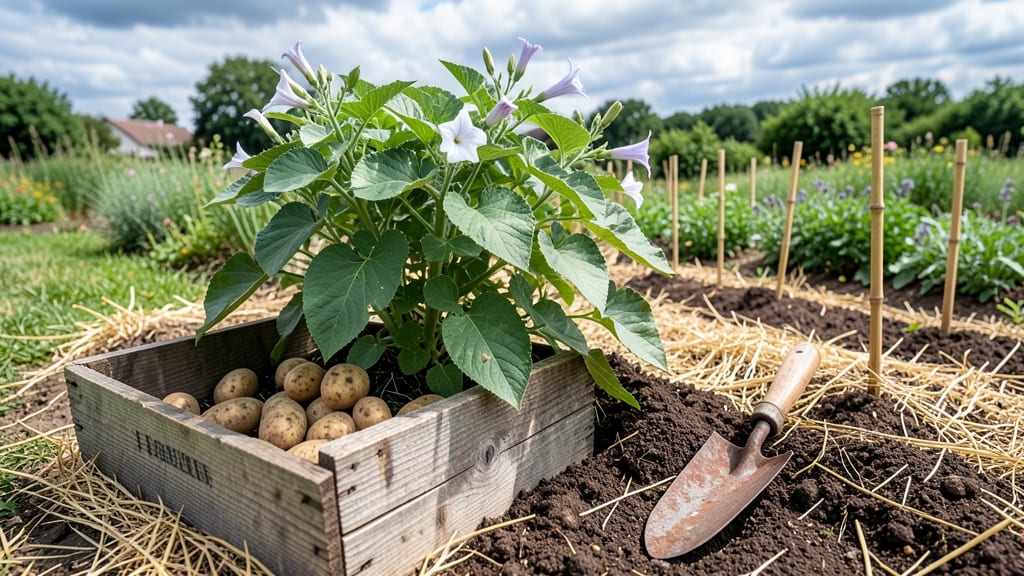
Planting potatoes in Pennsylvania isn’t just about tossing them in the dirt—it’s about timing your 🥔 crop perfectly to avoid frost, blight, and wasted effort.
Whether you're a seasoned gardener or a first-timer, getting the weeks right before your last frost date (usually around April 15) makes the difference between a bountiful harvest and a sad, shriveled pile of tubers.
In USDA Zone 6a, like most of Pennsylvania, the ideal window stretches from mid-to-late March to early April—but here’s the catch: soil temperature matters more than the calendar.
Cold soil slows sprouting, so wait until it hits 45°F before planting. This small detail can save you from waiting weeks for your potatoes to even think about growing.
You might be wondering: seed potatoes or sprouted tubers? Both work, but sprouted potatoes give you a head start. And if you’re planting early varieties like Red Norland, you’ll harvest as early as late June, while late varieties like Russet Burbank can wait until September.
The key is knowing your frost dates and adjusting for Pennsylvania’s unpredictable spring weather.
Ready to dig in? I’ll walk you through the exact weeks to plant, how to prep your soil, and even how to handle those pesky late frosts. By the end, you’ll know exactly when to plant your 🥔 for a harvest that’ll make your neighbors jealous.
Pennsylvania’s last frost dates by region: exact weeks before planting potatoes
Pennsylvania’s USDA hardiness zones 5b-7a create a 2-3 week difference in last frost dates across regions. Understanding these critical timelines ensures your potato crop thrives. Northern areas like Erie face late-May frosts, while southern regions near Philadelphia see mid-April as the cutoff.
For maximum yield, plant seed potatoes 4-6 weeks before your area’s last frost date. This window gives tubers time to establish roots before soil temperatures consistently hit 45°F+—the optimal range for sprouting.
In Zone 5b, aim for early April planting; in Zone 7a, you can wait until mid-April.
Here’s the region-by-region breakdown of Pennsylvania’s last frost dates and ideal planting windows:
| Region | USDA Zone | Avg. Last Frost | Planting Window | Soil Temp. for Planting |
|---|---|---|---|---|
| Northwest (Erie, State College) | 5b-6a | May 10-15 | April 1-15 | 45°F+ |
| Central (Harrisburg, Lancaster) | 6a-6b | April 25-May 5 | March 25-April 10 | 45°F+ |
| Southeast (Philadelphia, Allentown) | 7a | April 15-20 | March 15-April 5 | 45°F+ |
Use these regional guidelines to align your planting with local microclimates. For example, mountainous areas like the Poconos may experience 2-3 weeks later frost dates than valleys. Monitor local weather forecasts and adjust your schedule accordingly.
If you’re planting early varieties like Yukon Gold, you can push the window slightly earlier—2-3 weeks before the average last frost. These cold-hardy potatoes tolerate light frosts better than late-season varieties like Russet, which need warmer soil to thrive.
Pro tip: Use a soil thermometer to confirm 45°F+ soil temperatures before planting. Cold soil delays sprouting and increases disease risk. If temperatures remain below 40°F, wait 1-2 weeks longer to avoid rot.
For maximum harvest success, pair your planting timeline with proper spacing: 12 inches apart in rows 30 inches apart. This gives tubers room to grow and reduces competition for nutrients.
In Zone 5b, aim to harvest by mid-August; in Zone 7a, you can extend until early September.
Remember: Pennsylvania’s unpredictable spring means flexibility is key. If frost threatens after planting, use row covers or straw mulch to protect young plants. This simple step can save your crop and extend your growing season by 2-3 weeks.
Once your potatoes are in the ground, maintain consistent moisture—1-2 inches per week—and avoid overwatering, which leads to blight. With the right timing and care, you’ll enjoy a bountiful harvest of homegrown spuds by summer’s end. 🥔
How to adjust your potato planting schedule for Pennsylvania’s unpredictable weather
Pennsylvania’s changing spring temperatures can turn a great potato harvest into a gamble. If you plant too early, a late frost will kill your tender sprouts. Plant too late, and your 90-day potatoes won’t mature before fall frost. The key? Flexibility in your planting schedule.
Start by checking your local last frost date—typically between April 15 and May 1 across PA’s USDA zones 5b-7a. Then, plan to plant your seed potatoes 4-6 weeks before that date.
This gives young plants time to establish roots while still allowing them to grow quickly once warm weather arrives.
For gardeners in Zone 5b (northwest PA), aim for planting between mid-March and early April. In Zone 7a (southeastern PA), you can wait until late March to mid-April. Use these dates as a starting point, but always stay ready to adjust.
🌱 Numbered Highlights: Adjusting Your Potato Planting Schedule
- 1. Use cold-hardy varieties like Yukon Gold or Red LaSoda—they tolerate 40°F soil temps better than delicate varieties.
- 2. Warm your soil with black plastic mulch or straw 1-2 weeks before planting to speed up root growth.
- 3. Plant in stages: Divide your seed potatoes into two batches—plant the first batch 2 weeks before your target date, the second batch 2 weeks after.
- 4. Protect with row covers if frost threatens after planting. Use lightweight fabric to shield sprouts without overheating the soil.
- 5. Have a backup plan: If frost hits after planting, cover plants with a thick blanket or tarp until temperatures rise.
If a late frost delays your planting, don’t panic. Many early-maturing varieties (like Kennebec) can still produce a harvest if planted by mid-May. Just expect smaller yields and prioritize disease-resistant tubers.
For late-season varieties (e.g., Russet Burbank), stick to the early window—these need the full growing season. If you miss the boat, consider growing them in containers for easier frost protection.
Remember: Soil temperature matters more than air temperature. Use a soil thermometer to confirm your soil is at least 45°F before planting. If it’s colder, wait—cold soil slows germination and invites rot.