
Plants
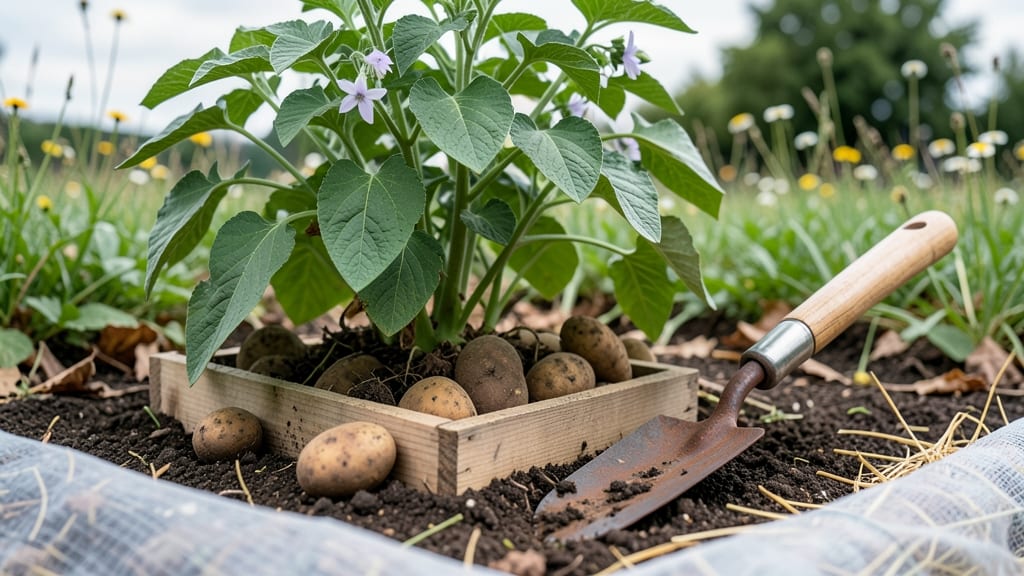
Timing when do you plant potatoes in zone 5 is the secret weapon behind a bountiful harvest—or a disappointing one.
Whether you're a seasoned gardener or just starting with your 🥔 patch, getting those seed potatoes in the ground at the right moment makes all the difference between flourishing vines and frost-nipped dreams.
Most gardeners in Zone 5 know the basics: plant after the last frost, right? But here’s the catch—your exact planting window depends on soil temperatures, variety types, and even the moon phase (yes, really!).
I’ll walk you through the precise weeks before last frost that work best, plus how to adjust for early, mid-, and late-season potatoes to stretch your harvest from summer to fall.
Let’s cut through the guesswork. You’ll discover the exact science behind Zone 5’s 165 frost-free days, why planting too early can backfire, and how to spot the perfect moment when your soil is ready.
By the end, you’ll have a foolproof schedule that turns your garden into a potato powerhouse.
Ready to dig in? We’ll cover everything from soil prep to post-planting care—so you can focus on what matters most: that first harvest of crisp, homegrown 🥔 potatoes. Let’s get growing!

Zone 5 potato planting schedule: exact weeks before last frost
Getting your potato planting timed right in Zone 5 means aiming for 2-4 weeks before your last frost date. For most Zone 5 regions, this lands between late March and mid-April, but exact timing depends on your specific frost date and soil temperature.
Planting too early risks frost damage to tender sprouts, while waiting too long can shorten your growing season.
In Zone 5, your last frost date typically falls around mid-April, but this can vary by 5-10 days depending on your exact location. For example, areas like Chicago average a last frost around April 15th, while Boston might see frost lingering until May 1st.
Always check your local frost date averages for precision.
Potatoes thrive when soil temperatures reach 45°F (7°C), which usually happens in late March to early April in Zone 5. If your soil is still cold, your seed potatoes may rot before sprouting. Use a soil thermometer to confirm readiness—plant only when the soil is consistently above 45°F.
| Planting Window | Key Considerations | Action Steps |
|---|---|---|
| Early Planting (Late Feb - Early March) | Cold soil risk; use row covers | Plant in warmth-protected beds or under row covers |
| Ideal Window (Late March - Mid-April) | Soil at 45°F+; 2-4 weeks before last frost | Plant 4 inches deep, 12 inches apart in rows 3 feet apart |
| Late Planting (May) | Shorter season; choose early-maturing varieties | Select 60-day varieties like Red Norland |
🌱 Pro Tip: For a continuous harvest, stagger plantings every 2 weeks in early spring.
If you’re planting early-season varieties like Yukon Gold, aim for late March to give them enough time to mature before frost. Mid-season varieties such as Kennebec can go in mid-April, while late-season types like Russet Burbank should be planted by early May at the latest.
Zone 5 gardeners often make the mistake of waiting until April 15th or later to plant, assuming it’s safe. However, this can leave your potatoes with only 100-120 frost-free days, cutting their growth cycle short.
For best results, plant by April 1st in most of Zone 5 to ensure a full 120-140 days to harvest.
For those in northern Zone 5 (e.g., Upstate New York), consider using black plastic mulch or straw bales to warm the soil earlier. This can push your planting window back by 1-2 weeks, giving you a head start. Always remove mulch once sprouts emerge to prevent overheating.
Another key factor is chitting your seed potatoes—placing them in bright light for 2-4 weeks before planting encourages earlier sprouting. This gives your potatoes a 2-week advantage once planted, helping them outpace late frosts. Store your seed potatoes in a cool, dark place (around 40°F) until you start chitting.
Finally, remember that Zone 5’s first frost typically arrives around mid-October, giving you about 165 frost-free days. Plan your planting schedule to ensure your potatoes mature 2-3 weeks before frost. If you’re unsure, opt for early-maturing varieties or use row covers to extend the season.
Zone 5 potato planting schedule: exact weeks before last frost
In Zone 5, potatoes thrive when planted 2-4 weeks before your last spring frost, typically between mid-March and early April. This timing ensures tubers develop before summer heat peaks.
Check your local average last frost date—most Zone 5 areas fall between April 15-30, so aim for March 20-April 10 planting. Cool soil temperatures below 45°F can delay sprouting, so wait until soil warms to 45-50°F.
For early-season varieties, plant as soon as soil is workable (late February to early March), while late-season types can wait until mid-April. The key is giving potatoes 90-120 frost-free days to mature.
In Zone 5, this means starting before June 15 for most varieties. Use row covers if planting early to protect against late frosts.
| Stage | Action | Zone 5 Timeline |
|---|---|---|
| Soil Prep | Test pH (5.0-6.5), add compost | February-March |
| Planting | 4" deep, 12" apart, rows 3' apart | March 20-April 10 |
| Germination | Sprouts emerge in 2-3 weeks | April-May |
| Hilling | Add soil when vines reach 6" | May-June |
| Harvest | When foliage yellows or tubers are golf-ball sized | July-September |
If you miss the spring window, consider a fall planting in Zone 5—plant late July to early August for a late-summer harvest. Choose early-maturing varieties like Red Norland (80 days) to finish before frost.
Fall potatoes need 60-70 days to mature, so time planting to avoid early October frosts. Always use certified seed potatoes to prevent disease.
Pro tip: Chit your seed potatoes (place in light, 50-60°F conditions for 2-3 weeks before planting) to jumpstart sprouting. This gives you a 2-week head start on growth.
Pair with mulch to maintain even soil temps and reduce watering. Avoid planting too deep—4 inches max—or tubers may struggle to emerge.
Monitor your garden for late spring frosts (common in Zone 5) and have frost cloth ready. If nights dip below 32°F, cover plants immediately. Early planting risks frost damage, while late planting may not yield mature tubers before cold returns.
Balance is key—aim for 60-90 days to harvest, depending on variety.
For continuous harvests, stagger plantings every 2 weeks from March to May. This ensures a steady supply from July through September. Store excess potatoes in a cool, dark place (40-50°F, 85% humidity) to extend freshness. Happy planting—your future mashed potatoes will thank you! 🥔