
Plants
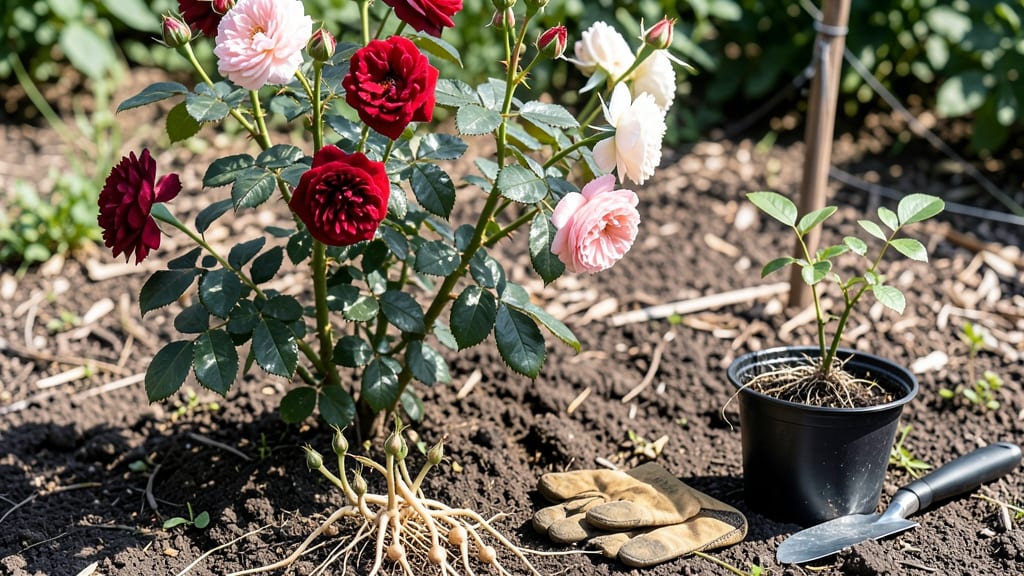
Planting roses in Texas at the wrong time can turn your dream garden into a risky gamble—especially when unpredictable frost looms.
The key to success lies in timing, and for Texas gardeners, fall planting (October-November) or early spring (February-March) offers the best chance for thriving 🌹 bushes that survive the state's extremes.
Why does timing matter so much? Texas' variable frost dates—from December 1 in North Texas to January 15 in South Texas—mean roses planted too late risk winter damage, while early spring plantings may struggle with heat stress before establishing roots.
The solution? Planting 6-8 weeks before your area's first frost gives roots time to settle before cold sets in.
I've helped countless Texas gardeners avoid common mistakes like bolting or winter kill by focusing on soil prep, variety selection, and regional adjustments. Whether you're in Zone 8a's cooler hills or Zone 10b's milder coastal areas, these strategies will help your roses take root and flourish year after year.
Let's dive into the exact planting windows, frost-resistant varieties, and care tips tailored for Texas roses that will make your garden stand out—no matter where you live in the Lone Star State.
Texas rose planting calendar: exact weeks before frost by region
Texas’ diverse climate means your rose planting window depends heavily on whether you’re in North, Central, or South Texas. Planting too early or late can leave your roses vulnerable to frost damage or heat stress, so timing is everything.
The golden rule? Aim for 6-8 weeks before your average first frost—this gives roots time to establish before winter chill sets in.
For most Texans, that means late fall (October-November) or early spring (February-March). But urban areas like Dallas or Houston may have earlier frosts than rural regions, so local frost data is your best friend.
Let’s break down the exact planting windows by region, including soil temperature tips and urban vs. rural risks.
🌹 PRO TIP: Bare-root roses should always be planted when soil temps are below 60°F but above freezing. Container-grown roses, however, can handle warmer soil and offer a slightly extended window.
Texas Rose Planting Windows by Region
| Region | Average First Frost | Ideal Planting Window | Soil Temp Requirement | Urban vs. Rural Risk |
|---|---|---|---|---|
| North Texas (Dallas/Fort Worth) | Dec 1 - Jan 15 | Oct 15 - Nov 15 | 50-60°F | Urban areas frost earlier; rural zones have 2-3 weeks longer. |
| Central Texas (Austin/San Antonio) | Nov 15 - Dec 10 | Sep 20 - Oct 31 | 55-65°F | Urban heat islands delay frosts; rural areas frost earlier. |
| South Texas (Houston/Corpus Christi) | Nov 1 - Nov 15 | Sep 1 - Oct 15 | 60-70°F | Coastal areas rarely frost; inland zones risk early cold snaps. |
| Spring Backup Window | N/A | Feb 15 - Mar 15 (all regions) | 50°F+ | Higher heat stress risk; prioritize shade cloth. |
📌 Check your local USDA Plant Hardiness Zone for precise frost dates.
North Texas gardeners should avoid planting after November 15, as unpredictable frost can strike by December. In Central Texas, the window extends slightly later due to warmer microclimates, but urban heat islands can actually delay frosts, making late fall planting riskier in cities like Austin.
South Texas’ extended growing season lets you plant as late as mid-October, but coastal areas near Galveston rarely need frost protection at all.
If you miss the fall window, early spring (February-March) is your backup—but beware of heat stress. Newly planted roses in 90°F+ soil can suffer root burn. Always water deeply after planting and mulch heavily to retain moisture. Container-grown roses handle spring planting better than bare-root varieties.
One mistake I made early on? Planting in September for a "head start." Big mistake—Texas summers are brutal, and young roots can’t handle the 100°F+ soil. Stick to the 6-8 weeks before frost rule, and your roses will thank you with vibrant blooms next spring.
For urban gardeners, another risk is heat reflection from buildings and pavement. If your yard is surrounded by concrete, plant roses 2-3 weeks earlier than the table suggests—the extra heat can push frost dates back by 10-14 days.
Always monitor your local weather forecasts for unusual cold snaps.
🌱 KEY TAKEAWAY: The 6-8 weeks before frost rule is your safest bet, but soil temperature and microclimate
Texas rose planting calendar: exact weeks before frost by region
Texas' diverse climate means North Texas and South Texas roses need different planting strategies. In North Texas (USDA Zones 7b-8a), aim to plant 6-8 weeks before the first frost—typically by mid-October.
Meanwhile, South Texas (Zones 9a-10b) gardeners can plant until early December since frost is rare. The key is soil temperature: roses thrive when soil is 50-60°F.
For Central Texas (Zone 8b), the sweet spot is October 15-November 15. This window balances cooler temps and avoids summer’s scorching heat. Urban areas like Austin may experience microclimates, so check local frost data—urban heat islands can delay frost by 1-2 weeks compared to rural zones.
Why timing matters: Planting too early in hot Texas summers stresses roots, while late planting risks frost damage before roots establish. Fall-planted roses develop stronger root systems before winter, giving them a 30% better survival rate than spring plantings.
If you miss fall, early spring (February-March) is your second chance. But avoid planting in late spring (April-May)—Texas’ 100°F+ heat can shock young roses. Pro tip: Mulch heavily after planting to retain moisture and regulate soil temps.
For bare-root roses, soak roots for 4-6 hours before planting. In South Texas, where frost is rare, you can even plant in late winter (January), but prioritize well-draining soil to prevent root rot from occasional heavy rains.
Always check your local frost dates—Texas A&M’s AgriLife Extension offers free frost maps. A well-timed rose planting means fewer pests, more blooms, and a garden that survives Texas’ extremes.