
Plants
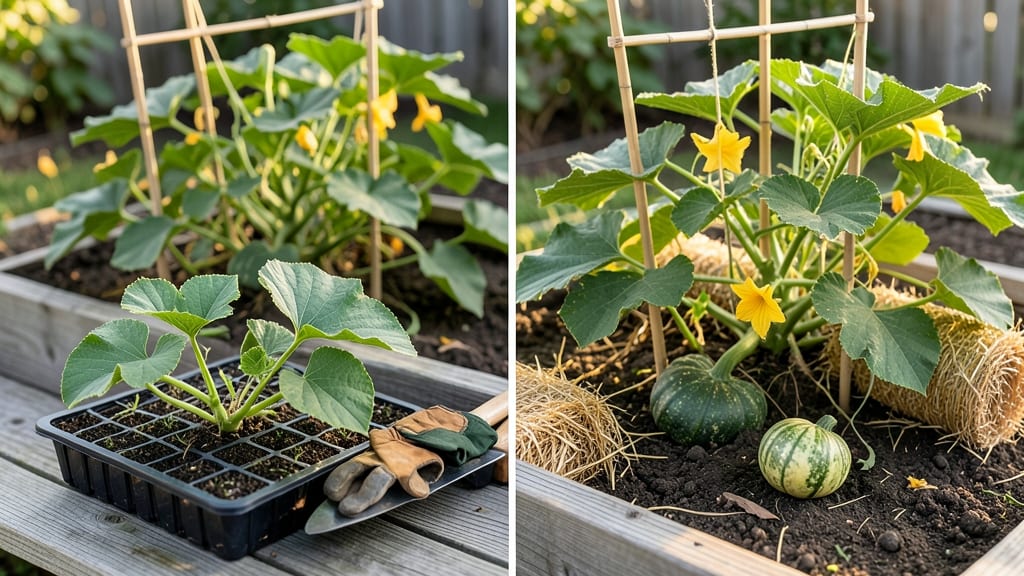
If you're wondering when to plant squash in Texas, timing is everything—get it wrong, and you’ll either bake your seedlings in early heat or miss the harvest window entirely. Texas gardeners know the stakes: one wrong move, and your 🎃 could bolt, rot, or never even sprout.
The good news? With the right strategy, you can beat Texas’ brutal summers and unpredictable springs. Whether you’re growing zucchini, butternut, or pumpkins, planting at the perfect moment—when soil hits 60°F and frost risk fades—makes all the difference.
Let’s break down the exact windows for both spring and summer plantings.
Spring plantings in March-May give you a head start, but summer squash thrives when sown in July-August for a fall harvest. The key? Adjusting for your region—North Texas (Zone 8a) has later last-frost dates than South Texas (Zone 10b), so deadlines shift dramatically.
Ready to avoid the common pitfalls? I’ll show you how to time your squash planting like a pro—no more wasted seeds or missed harvests. Let’s get growing!
Texas heat-zone planting deadlines for squash by variety type
Texas’ USDA zones 8a-10b create a unique challenge for squash growers—too early, and seedlings die in unpredictable spring frosts; too late, and summer’s 100°F+ heat stunts growth.
The key is knowing your last frost date (North Texas: February 15; South Texas: January 1) and adjusting for variety-specific heat tolerance.
Most summer squash (zucchini, yellow crookneck) thrive when planted 2-3 weeks after your last frost, while winter squash (butternut, pumpkin) need a longer growing season and should go in April-May for a fall harvest.
But timing also depends on whether you’re sowing directly in the garden or starting indoor seedlings.
Here’s your Texas-specific planting timeline for the most popular squash varieties, including soil temperature thresholds and heat-zone adjustments:
For North Texas gardeners (zones 8a-8b), aim to plant summer squash by April 1 to avoid late-May heatwaves that can cause blossom drop.
In South Texas (zones 9a-10b), you can push planting to late February for an earlier harvest, but monitor soil temperatures closely—squash seeds won’t germinate below 60°F.
Pro tip: Use a soil thermometer to confirm readiness. If your soil is below 60°F, wait or use black plastic mulch to warm it faster. For urban gardeners, container-grown squash can be planted 2 weeks later than in-ground varieties, as containers heat up quicker.
One common mistake? Planting too close to summer and ending up with bitter, seedy squash. The ideal window is 60–75 days before your first frost (which hits North Texas by December 1 and South Texas by November 15).
For a second harvest, try a late-July planting of heat-tolerant varieties like ‘Early Prolific Straightneck.’
Remember, Texas’ microclimates vary wildly—even within 50 miles. If you’re near Hill Country elevations, frost risk lingers longer than in Houston’s coastal plains. Always check local frost maps (like from the Texas A&M AgriLife Extension) and adjust your planting calendar accordingly.
For fall planting, focus on winter squash varieties like butternut or spaghetti squash, which mature slower and handle cooler temperatures better. These can be sown as late as June 1 in North Texas or May 15 in South Texas, with harvests stretching into November.
🎃
How to adjust planting times for Texas’ unpredictable spring weather
Texas springs are famous for their whiplash—one day it’s freezing, the next it’s 90°F. This volatility makes squash planting a high-stakes game. The key is flexibility: knowing how to extend your window when frost lingers or protect seedlings from sudden heat spikes.
For example, North Texas (USDA Zone 8a) might see frost as late as March 15, while South Texas (Zone 9b) could be frost-free by February 1. Adjust your timing accordingly.
Start by checking soil temperatures—squash seeds need 60°F+ soil to germinate. Use a soil thermometer to avoid the guesswork. If your soil is too cold, delay planting or use black plastic mulch to warm it faster.
This simple trick can shave 1-2 weeks off your waiting game, especially in North Texas where cool soils are common.
Here’s the biggest mistake I see: planting too early and losing seedlings to frost. Instead, opt for transplanting young squash (4-5 weeks old) after the last frost. This gives you a safer buffer and lets you bypass the risk of late-spring freezes.
For example, if your last frost is March 15, wait until April 1 to transplant for a 90% success rate.
⚠️ Watch for False Springs
Texas’ unpredictable weather can trick you into planting too early. A 70°F day in March might fool you, but freeze warnings can follow within days. Always monitor local forecasts and use row covers or cold frames if you must plant early.
🌡️ Pro Tip: If nighttime temps drop below 50°F, cover seedlings with lightweight fabric.
For urban gardeners, microclimates can shift planting times by weeks. A backyard in Austin might be 10°F warmer than one in Dallas due to pavement heat. Test your spot by placing a thermometer in a shaded area for 24 hours.
If your microclimate runs warmer, you can plant 2 weeks earlier than the average.
Don’t overlook summer squash varieties like zucchini or yellow crookneck—they’re heat-tolerant and can handle Texas summers if planted in late July. For winter squash (like butternut or acorn), aim for early August to avoid the hottest months (June-August) when vines struggle.
This two-pronged approach ensures you have squash in your garden year-round.
Finally, keep an eye on humidity levels. High humidity in spring can promote fungal diseases like powdery mildew. Space plants 3-4 feet apart and water at the base (not overhead) to reduce moisture on leaves.
This small adjustment can double your yield by keeping plants healthy through Texas’ sticky springs.