
Plants
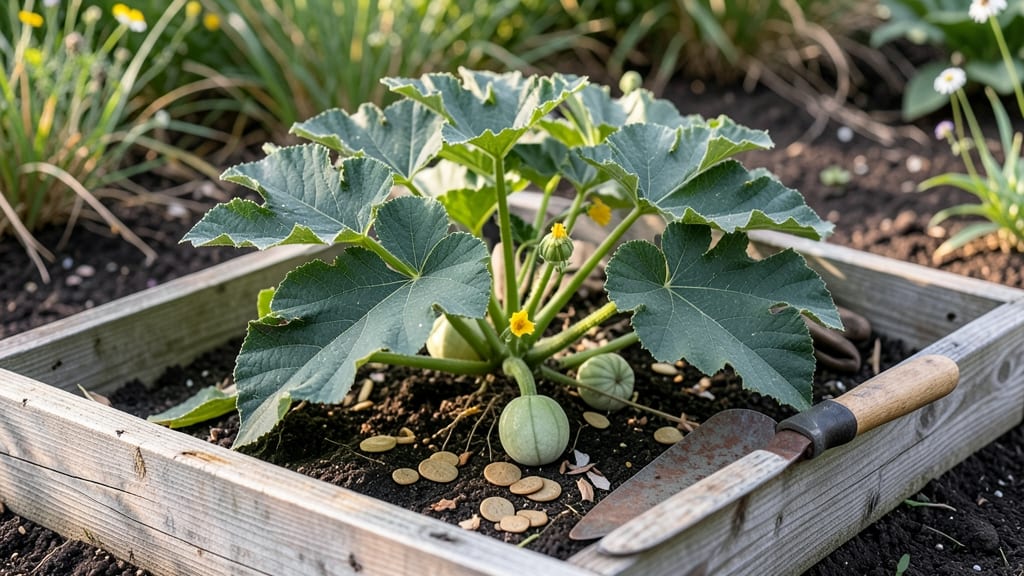
Planting acorn squash in Texas isn't just about timing—it's about surviving the state's brutal heat and unpredictable seasons. If you've ever watched your squash plants wilt under 100°F temperatures or struggle with early frosts, you know the stakes are high.
The good news? With the right schedule and heat-resistant varieties, you can still grow sweet, bountiful acorn squash that thrives in Texas conditions.
Most Texas gardeners make the mistake of planting too early, only to see their crops fail before summer even arrives. But the key is knowing your region's microclimate—whether you're in North Texas's cooler hills or South Texas's sweltering plains—and adjusting your planting window accordingly.
I'll show you exactly when to start seeds indoors or direct-sow outdoors, so you never miss the ideal harvest window again.
From North Texas's last frost dates in March to South Texas's extended growing seasons, we'll break down the best months for planting and how to choose the toughest squash varieties for your area.
Whether you're a beginner or a seasoned gardener, these insights will help you avoid common pitfalls and grow squash that's as resilient as the Lone Star State itself.
Ready to turn your Texas garden into a squash powerhouse? Let's dive into the exact planting schedule, heat-proof varieties, and pro tips that will keep your plants thriving—no matter how hot it gets. Your next harvest could be the best yet!
Best planting months for acorn squash in Texas (by region)
Texas’s diverse climate zones mean your acorn squash planting schedule depends heavily on where you live. North Texas faces cooler springs and earlier frosts, while South Texas bakes under relentless summer heat.
Let’s break down the ideal planting windows for three key regions—North, Central, and South Texas—to maximize your harvest.
For North Texas (Dallas/Fort Worth), aim to plant acorn squash seeds between late March and early April, once soil temperatures hit 60°F+. This timing avoids late spring frosts while giving plants enough time to mature before summer’s brutal heat sets in.
If you’re using transplants, start them indoors in February for an earlier edge.
In Central Texas (Austin/San Antonio), you’ve got a slightly longer window. Direct sow seeds from mid-March to early May, focusing on April for the best balance.
The region’s warmer soil and longer growing season let you push it a bit later than North Texas, but avoid planting after mid-May—summer’s intensity will stress young plants.
South Texas (Houston/Beaumont) gardeners have the advantage of year-round growing potential, but acorn squash still thrives best with spring planting. Sow seeds from February to April, prioritizing February-March to beat the peak summer heat. If you’re daring, try a fall planting in September for a winter harvest, but be prepared for shorter days and cooler temps.
Here’s a quick reference for soil temperature requirements: Acorn squash needs soil at 60°F+ to germinate. Use a soil thermometer to check—cold soil delays sprouting and invites fungal diseases. In cooler zones, consider black plastic mulch to warm the soil faster.
Pro tip: Succession planting works well in Texas. For North and Central Texas, make a second planting in early June for a fall harvest before the first frost. South Texas can stretch this to late July, but monitor humidity levels—high moisture increases powdery mildew risk.
| Region | Best Planting Window | Soil Temp Requirement | Harvest Window | Key Consideration |
|---|---|---|---|---|
| North Texas (Dallas/Fort Worth) | Late March–Early April | 60°F+ | Late July–October | Avoid late frosts; use row covers |
| Central Texas (Austin/San Antonio) | Mid-March–Early May | 65°F+ | June–November | Push to May for fall harvests |
| South Texas (Houston/Beaumont) | February–April (or Sept for fall) | 70°F+ | April–December | Monitor humidity; use shade cloth |
If you’re new to Texas gardening, don’t stress over exact dates—focus on soil warmth and weather forecasts. A 5-day heatwave above 95°F can devastate young squash plants, so always have shade cloth (30-50%) on hand for sudden heat spikes.
Pair this with drip irrigation to keep roots cool and consistent.
For container growing, North and Central Texas gardeners can plant acorn squash in large pots (15+ gallons) and move them to protected patios during heatwaves.
South Texas containers need extra shade and frequent watering—these plants wilt fast in direct afternoon sun. Choose compact varieties like ‘Sweet Dumpling’ for smaller spaces.
Remember: Texas’s unpredictability means flexibility is key. Keep an eye on local frost dates (check the Texas A&M AgriLife Extension for updates) and adjust your schedule yearly. With the right timing, you’ll be feasting on homegrown acorn squash from summer through fall—no grocery store needed!
🌱
Best planting months for acorn squash in Texas (by region)
Texas’s diverse climate means North Texas (like Dallas) has cooler springs, while South Texas (Houston) can bake by May. Central Texas (Austin) falls in between, so timing your acorn squash planting by region is key to avoiding heat stress or frost damage.
I’ve grown squash in all three zones—here’s what I’ve learned about the optimal planting windows.
For North Texas, aim to plant acorn squash seeds from mid-March to early April, once soil temps hit 60°F+. This gives vines time to establish before summer’s brutal heat.
In Central Texas, shift planting to late March through mid-April—earlier risks frost, while later means wilting by July. South Texas gardeners should plant February to early March to beat the heat.
🌱
| Region | Best Planting Window | Soil Temp | Key Tip |
|---|---|---|---|
| North Texas (Dallas/Fort Worth) | Mid-March to early April | 60°F+ | Use black plastic mulch to warm soil faster |
| Central Texas (Austin/San Antonio) | Late March to mid-April | 65°F+ | Start seeds indoors in March for earlier harvests |
| South Texas (Houston/Beaumont) | February to early March | 70°F+ | Plant in shade cloth to prevent bolting |
If you’re direct sowing, wait until after the last frost (typically mid-April for North Texas, early April for Central, and late February for South).
For transplants, start seeds indoors 3-4 weeks before your region’s last frost date—my Early Golden squash thrived when transplanted at 2-3 inches tall.
For a second harvest, try late summer planting (August) in North/Central Texas. Use heat-tolerant varieties like ‘Table Queen’ and focus on shade cloth to protect young plants. I’ve had success with this method, though yields are smaller. South Texas gardeners can skip this—summer heat there is just too intense.
Pro tip: Test your soil temperature with a soil thermometer ($10 at garden centers). Acorn squash roots need at least 60°F to germinate—cold soil = rotten seeds.
I’ve wasted $20 worth of seeds by ignoring this rule! Morning planting (before 10 AM) helps seeds stay moist longer in Texas’s dry air.
🌡️