
Plants
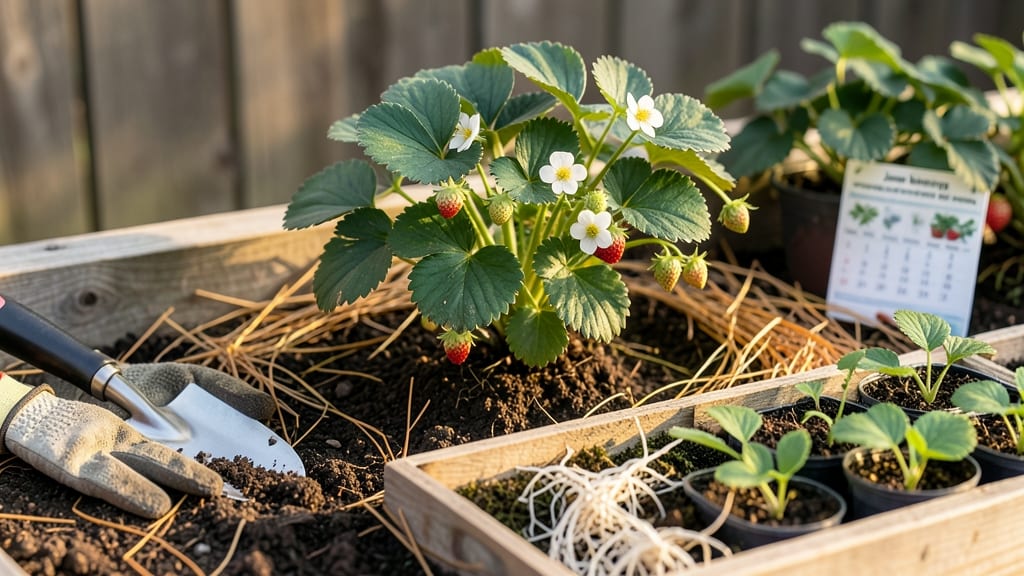
Timing your strawberries in Kentucky isn’t just about the calendar—it’s about matching your plants to the region’s chill-hour zones to guarantee a bountiful harvest. Whether you’re a first-time gardener or a seasoned grower, getting this right means the difference between plump, sweet berries and struggling plants that barely produce.
Kentucky’s 6a-7a climate gives you two prime windows: early spring (March-April) or early fall (September-October). Plant too early, and frost could damage tender roots; too late, and your June-bearing varieties won’t have enough time to establish before winter.
The key is understanding how chill hours trigger flowering, so you can align planting with your strawberries’ natural dormancy cycle.
In this guide, I’ll break down the exact planting schedule for Kentucky’s microclimates, including whether bare-root or potted plants perform better in your zone. You’ll also discover how to prep your soil and choose the best varieties for reliable harvests from May to July—no guesswork required.
Ready to turn your garden into a strawberry paradise? Let’s dive into the science-backed timing that’ll have your plants thriving and your table overflowing with fresh, homegrown fruit.
Kentucky’s chill-hour zones: the exact planting windows for June-bearing strawberries
Kentucky’s climate spans USDA Zones 6a-7a, meaning chill-hour requirements vary slightly across regions. June-bearing strawberries need 500-1,000 chill hours (below 45°F) to fruit reliably.
Northern Kentucky (Zone 6a) gets closer to 1,000 chill hours, while southern areas (Zone 7a) may only reach 700-800 chill hours—critical for choosing the right planting window.
If you plant too early, your strawberries won’t get enough winter chill and may fail to fruit. Plant too late, and they won’t establish strong roots before Kentucky’s hot summers.
The sweet spot? Align with soil temperatures (40-50°F) and microclimate variations—mountainous areas stay cooler longer than river valleys.
Here’s how Kentucky’s chill-hour zones break down for your planting schedule:
| Zone | Chill Hours | Spring Planting Window | Fall Planting Window | Key Notes |
|---|---|---|---|---|
| Zone 6a (Northern KY) | 900-1,000 | March 15–April 15 | September 15–October 15 | Cooler microclimates; extend fall window to Nov 1 if soil stays warm. |
| Zone 6b (Central KY) | 700-850 | March 20–April 10 | September 20–October 10 | Balanced chill; prioritize well-drained soil to avoid winter rot. |
| Zone 7a (Southern KY) | 500-700 | March 25–April 5 | September 25–October 5 | Warmer winters; choose day-neutral varieties if chill hours are insufficient. |
For June-bearing strawberries, timing is everything. In Zone 6a, aim for March 15–April 15 in spring or September 15–October 15 in fall. The 4-6 week buffer before Kentucky’s last frost (around March 15) lets roots establish before summer heat arrives.
In Zone 7a, push spring planting to March 25–April 5 to avoid heat stress.
Fall planting is often more reliable in Kentucky because cooler soils reduce transplant shock. Plant in early fall (September-October) so roots grow before winter dormancy. Avoid late fall planting—you risk frost damage before roots harden. Use mulch (straw or leaves) to insulate plants through winter.
Kentucky’s microclimates can shift planting windows by 2-3 weeks. If you’re near the Ohio River or Cumberland Plateau, check local frost data—valleys warm faster in spring.
For container gardening, plant 2 weeks earlier in spring (containers heat up faster) and 2 weeks later in fall (they cool quicker).
Pro tip: Use bare-root plants in fall—they establish faster than potted ones. Soak roots in water for 30 minutes before planting to reduce shock. For potted strawberries, plant them 1 inch deeper than their container to encourage root growth into the soil.
Monitor your garden’s chill hours using a weather station or online tools like the USDA Plant Hardiness Zone Map. If your area gets fewer than 500 chill hours, opt for day-neutral varieties like ‘Seascape’—they fruit without strict chill requirements.
But for June-bearing varieties, chill hours are non-negotiable for a bountiful harvest.
🌱
Fall vs. spring planting: which works best in Kentucky’s climate?
Kentucky gardeners face a critical decision: plant strawberries in fall or wait for spring. Both seasons offer advantages, but timing directly impacts your harvest success. Fall planting (September-October) lets roots establish before winter, while spring planting (March-April) aligns with natural growth cycles.
Let’s break down which works best for your microclimate.
Fall planting gives strawberries a head start—roots grow slowly in cool soil, avoiding summer stress. By winter, they’re dormant but primed for spring fruiting. Spring planting, however, avoids winter heaving (when freezing/thawing cycles push plants out of the soil). Both methods require soil temperatures above 40°F for root growth.
Your choice depends on your USDA zone (Kentucky spans 6a-7a) and local frost dates. Northern Kentucky (Zone 6a) benefits more from fall planting, while southern areas (Zone 7a) can extend spring planting slightly later. Always aim to plant 4-6 weeks before your last expected frost date.
Fall Planting vs. Spring Planting
- ✅ Earlier harvests (June vs. July)
- ✅ Established roots before winter
- ✅ Better disease resistance
- ✅ Avoids winter heaving
- ✅ Warmer soil for faster growth
- ✅ Flexible timing (adjust for late frosts)
- ⚠️ Limited planting window (Sept-Oct)
- ⚠️ Risk of winter kill in Zone 6a
- ⚠️ Soil prep required before frost
- ⚠️ Slower establishment (summer heat stress)
- ⚠️ Later harvests (July-August)
- ⚠️ Weed competition early in season
For soil preparation, both seasons require well-draining, slightly acidic soil (pH 5.5-6.5). Work in 2-3 inches of compost and a balanced fertilizer (10-10-10) before planting. Mulch heavily with straw to protect roots and retain moisture—critical in Kentucky’s humid summers.
Pro tip: If you choose fall planting, cover beds with row fabric after planting to insulate roots during winter. For spring plantings, use black plastic mulch to warm soil faster. Both methods extend your growing season and boost yields.
Kentucky’s climate rewards patience—whether you plant in fall or spring, consistent care pays off with sweeter, larger berries by summer. Start with your chill-hour zone, then adjust for local frost dates. Happy planting! 🍓