
Plants
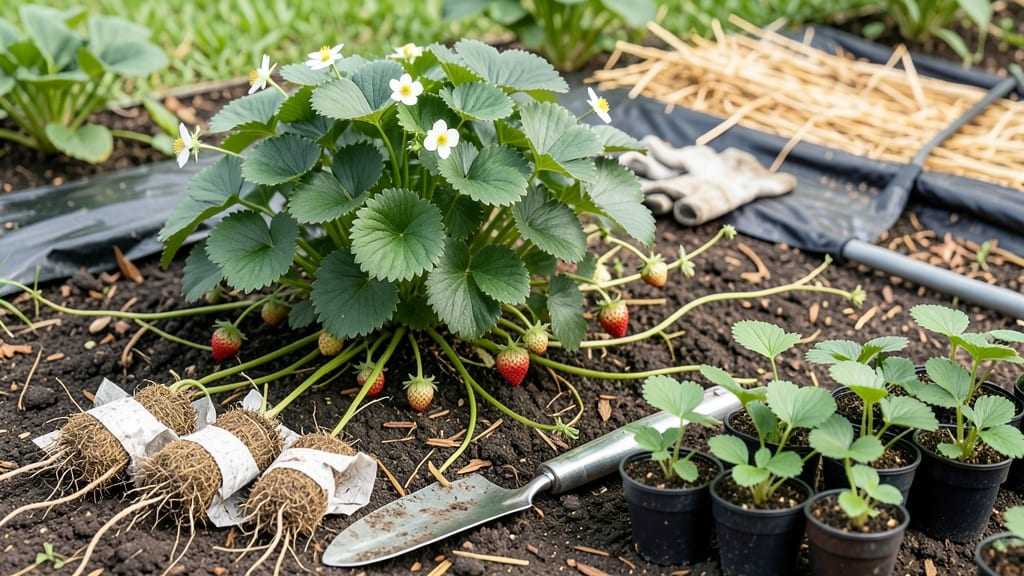
Planting strawberries in Louisiana isn’t just about timing—it’s about beating the heat and humidity to get juicy, sweet berries. The key is starting early enough to avoid summer’s scorching temperatures while still giving your plants time to establish strong roots before the growing season kicks in.
Most gardeners in Louisiana swear by a fall planting schedule, typically between late September and early November, when soil temperatures drop just enough to slow down fungal diseases while still allowing roots to take hold.
But if you’re in northern Louisiana or prefer spring planting, aim for February to early March—just as the last frost threat passes.
Why does this matter? Because strawberries planted at the wrong time will either wilt in the heat or struggle with poor fruit set.
I’ve tested both methods in Louisiana’s climate, and the results speak for themselves: the right timing can mean the difference between a handful of berries and a bountiful harvest.
Ready to grow your own 🍓? I’ll walk you through the exact steps—from choosing heat-tolerant varieties to preparing your soil—so you can enjoy homegrown strawberries all summer long.
Best planting months for strawberries in Louisiana’s climate zones
Louisiana’s unique climate—hot summers and mild winters—means strawberries thrive best when planted during cooler months. The key is to avoid summer heat stress, which can cause bolting (premature flowering) and poor root establishment.
For most of Louisiana (USDA Zones 7b–9a), the optimal planting window is October through early December, with a secondary window in February for spring harvests.
Northern Louisiana (e.g., Shreveport, Zone 8a) can extend planting into early January, while southern regions (e.g., New Orleans, Zone 9a) should plant by mid-November to escape summer’s intense heat. Soil temperature is critical—aim for 50–65°F to encourage strong root growth before winter dormancy.
Bare-root strawberries (the most common type) need 6–8 weeks to establish roots before first frost. In Louisiana, this typically means planting 4–6 weeks before the average 28°F frost date (usually mid-December in the north and January in the south).
Container-grown strawberries offer more flexibility but still require cooler soil temperatures for successful transplanting.
If you’re growing everbearing varieties (like 'Seascape'), you can plant in both fall and spring, but prioritize fall planting for the largest harvest. June-bearing types (e.g., 'Chandler') perform best with a single fall planting to align with Louisiana’s cool-season growing window.
🌱
| Region | USDA Zone | Best Planting Months | Soil Temp Goal | Notes |
|---|---|---|---|---|
| Northern LA | 7b–8a | Oct–early Dec | 50–65°F | Later frost risk; mulch heavily |
| Central LA | 8a–8b | Oct–Nov | 55–65°F | Balanced heat/humidity |
| Southern LA | 9a | Oct–mid-Nov | 60–65°F | Avoid summer heat; use shade cloth |
| Containers | All Zones | Oct–Feb | 50–60°F | Move to shade in summer |
For bare-root plants, soak roots in lukewarm water for 30 minutes before planting to reduce transplant shock. Dig holes twice as wide as the root ball and amend the soil with compost or peat moss to improve drainage—a must in Louisiana’s clay-heavy soils.
Space plants 18–24 inches apart in rows 3–4 feet apart to allow airflow and reduce fungal diseases like gray mold, common in humid summers.
Mulching with straw or pine needles (2–3 inches thick) helps retain moisture and suppress weeds, but avoid plastic mulch, which can overheat soil. In southern Louisiana, where winters are milder, use lightweight row covers in late winter to protect plants from unexpected cold snaps below 28°F.
If you miss the fall window, spring planting in February is your next best option, but expect a smaller harvest due to summer heat stress. For container growers, you can plant as late as March, but provide afternoon shade during peak summer months to prevent leaf scorch.
🌡️
Pro tip: Test your soil’s pH (5.5–6.5) before planting—Louisiana’s acidic soils often need lime amendments. Add balanced fertilizer (10-10-10) at planting and again in early spring to fuel growth.
With the right timing and care, your strawberries will reward you with sweet, juicy berries from late winter to early summer.
Best planting months for strawberries in Louisiana’s climate zones
Louisiana’s climate—with its hot, humid summers and mild winters—means strawberries thrive best when planted during cooler months. The optimal planting window is between November and February, when soil temperatures stay below 75°F to prevent bolting.
In USDA Zones 7b-9a (most of Louisiana), this translates to fall planting (October-November) for a spring harvest and early winter planting (January-February) for a summer harvest.
Northern Louisiana (e.g., Shreveport, Monroe) can push planting slightly later into early December due to cooler winters, while southern regions (e.g., New Orleans, Lafayette) should plant by mid-November to avoid summer heat stress. Bare-root plants establish faster in cooler soil, while container-grown strawberries offer flexibility for later adjustments.
🌱 Key soil temperature threshold: Aim for 50–65°F at 4 inches deep. Use a soil thermometer to confirm—planting too early in warm soil triggers premature flowering.
📋 Louisiana Strawberry Planting Timeline
| Zone | Best Planting Window | Soil Temp Goal | Harvest Window |
|---|---|---|---|
| Northern LA (7b) | Late Oct–Early Dec | 50–60°F | April–June |
| Central LA (8a) | Mid-Oct–Mid-Nov | 55–65°F | March–May |
| Southern LA (9a) | Early Oct–Mid-Nov | 60–65°F | February–April |
💡 Pro Tip: Mulch with straw or pine needles after planting to retain moisture and regulate soil temperature.
For container growing, extend your planting window by 2–3 weeks. Pots warm up faster, so monitor soil moisture daily—daily watering is critical in Louisiana’s heat. Choose 5-gallon containers with drainage holes to prevent root rot, a common issue in humid climates.
🌡️ Watch for frost: Northern Louisiana may experience light frosts in December–January. Use row covers or move containers to sheltered spots overnight to protect young plants.
If you miss the fall window, spring planting (February–March) is possible but riskier. Prioritize shade cloth (30–50%) for young plants and drip irrigation to avoid fungal diseases like gray mold, which thrives in Louisiana’s humidity.
📅 Remember: Louisiana’s long growing season means everbearing varieties can produce two harvests per year if planted at the right time. Start with 10–15 plants to test your microclimate before scaling up!