
Plants
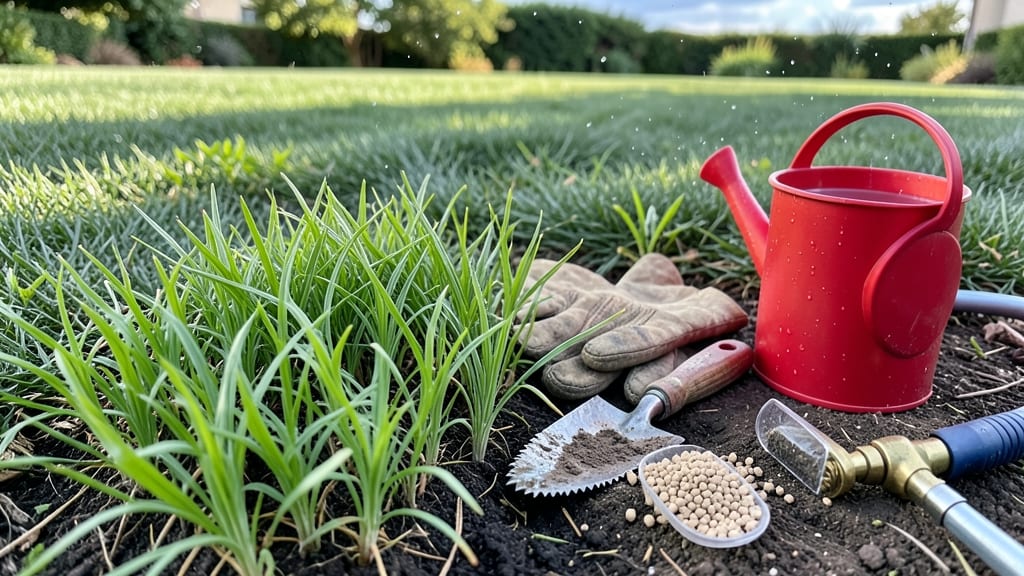
Planting your Summer Grass (Warm-Season Grass) 🌱 at the wrong time in Arizona can mean the difference between a vibrant lawn and a patchy, struggling mess.
The key isn't just about avoiding the brutal summer heat—it's about syncing your planting with Arizona's unique climate patterns, like the pre-monsoon window when soil temperatures are just right.
Most gardeners in USDA Zones 9b-11 assume they can plant anytime, but that's a costly mistake. The ideal window for establishing heat-tolerant varieties like Bermuda or Zoysia is actually late February to early April, before the monsoon season kicks in.
This timing gives your grass roots a chance to take hold without battling extreme temperatures or water scarcity.
Why does this matter? Because summer grass planted outside this window struggles to establish properly, leaving your lawn vulnerable to drought, weeds, and uneven growth.
I’ll walk you through the exact steps to prepare your soil, schedule your watering, and choose the right variety for your Arizona microclimate—so you can skip the guesswork and get a lawn that looks great all season long.
Whether you're in Phoenix, Tucson, or Flagstaff, the right approach makes all the difference. Let’s dive into how to time your planting for a lush, drought-resistant lawn that survives—and thrives—under Arizona’s sun.
Best months to plant summer grass in Arizona (avoid these deadly mistakes)
Arizona’s summer heat isn’t just tough—it’s downright unforgiving for grass. But timing your planting right can mean the difference between a brown, patchy lawn and a thick, green carpet that survives the desert.
The key? Planting warm-season grasses like Bermuda or Zoysia during the monsoon transition, when soil stays warm but temperatures aren’t yet extreme.
Most gardeners in Arizona swear by planting between mid-July and early September. This window aligns with the monsoon rains, which provide natural irrigation while keeping soil temperatures ideal for seed germination.
Planting earlier (May–June) risks heat stress before roots establish, while planting later (October+) means competing with fall weeds and cooler nights that slow growth.
Here’s the critical timeline for success in Arizona’s microclimates:
- 📅 July 15–31: Best for seed planting—soil stays warm, and monsoon rains begin.
- 📅 August: Ideal for sod installation—established grass handles heat better.
- 📅 Early September: Last chance for seed germination before temperatures drop.
Microclimates matter! Phoenix’s low desert (USDA Zone 10a) can handle late August planting, while Flagstaff’s high desert (Zone 7b) should aim for June–July to avoid early frosts. Tucson’s semi-arid climate thrives with July–early August planting, leveraging the summer rains for natural watering.
Soil temperature is your secret weapon. Use a soil thermometer to confirm temps are above 65°F—the threshold for warm-season grass seeds to sprout. In Arizona, this usually means waiting until mid-July in most regions.
Cool mornings in June can trick you into planting too early, leading to poor germination and fungal diseases.
Watering strategies shift with the seasons. After planting, aim for 1–1.5 inches of water weekly, but deep watering (soaking 6–8 inches down) is more critical than frequent light sprinkles.
Schedule watering for early morning (5–9 AM) to reduce evaporation and evening (6–8 PM) to prevent fungal growth. Avoid midday watering—it’s like steaming your lawn in the desert sun.
Fertilizer timing is just as critical. Apply a starter fertilizer (high in phosphorus) at planting to boost root growth, then switch to a balanced 10-10-10 fertilizer 4–6 weeks later. Skip fertilizing in October–March—cool weather slows growth, and excess nutrients can burn roots or feed weeds instead.
Weeds are your worst enemy in Arizona summers. Pre-emergent herbicides applied 2 weeks before planting can block weed seeds, but avoid post-emergent sprays until your grass is 4–6 weeks old. Hand-pulling weeds in newly planted areas is safer and won’t harm tender grass shoots.
Don’t let shade fool you—Arizona’s summer grass needs full sun (6+ hours daily). If your lawn has partial shade (e.g., from trees), opt for Zoysia grass, which tolerates 30–50% shade better than Bermuda. Test your yard’s sunlight with a sun/shade map before planting to avoid disappointment.
Your first mowing should happen when grass reaches 3–4 inches tall. Set your mower blade to 1–1.5 inches—taller grass shades soil, reducing weed growth and retaining moisture.
Never remove more than ⅓ of the blade height at once, or you’ll stress the plant and invite brown patch disease.
Best months to plant summer grass in Arizona (avoid these deadly mistakes)
Arizona’s summer grass varieties like Bermuda and Zoysia thrive when planted during the pre-monsoon window—not the scorching summer months. The ideal planting window is actually late February through early April, when soil temperatures are warm but not extreme.
This timing lets roots establish before the monsoon rains and intense heat arrive.
Planting too early (January) risks cold soil shock or weed competition, while waiting until May means battling establishment stress during peak heat. The 4-6 week establishment period needs consistent moisture, so timing matters more than most gardeners realize.
🌱
- Late February: Soil warms to 65°F+—perfect for seed germination. ✅ Best start time
- March: Optimal growth window with increasing daylight. ✅ Peak planting month
- Early April: Last chance before monsoon prep. Roots establish before summer heat peaks.
- May+: Risky—high temps slow growth. ❌ Avoid unless using sod
Microclimates matter! Phoenix gardeners can plant slightly later (March-April) due to hotter desert conditions, while Flagstaff’s cooler climate may allow January plantings. Always check your local frost-free date—though Arizona rarely sees frost, cold snaps in high elevations can delay planting.
Another critical factor is irrigation readiness. Before planting, ensure your system delivers 1-1.5 inches of water weekly. Without proper moisture, even the best-timed planting will fail. Schedule a soil test too—clay-heavy soils common in Arizona need amendments like compost to improve drainage.
If you miss the spring window, don’t panic! Sod installation works year-round, but seed planting after May requires shade cloth to protect young grass from UV stress. For best results, stick to the February-April window and focus on consistent watering and light fertilization during establishment.
Remember: Patience is key. Summer grass won’t show full color until 6-8 weeks after planting. Resist the urge to overwater—deep, infrequent watering encourages deeper roots, which is crucial for Arizona’s drought-prone climate. 💧