
Plants
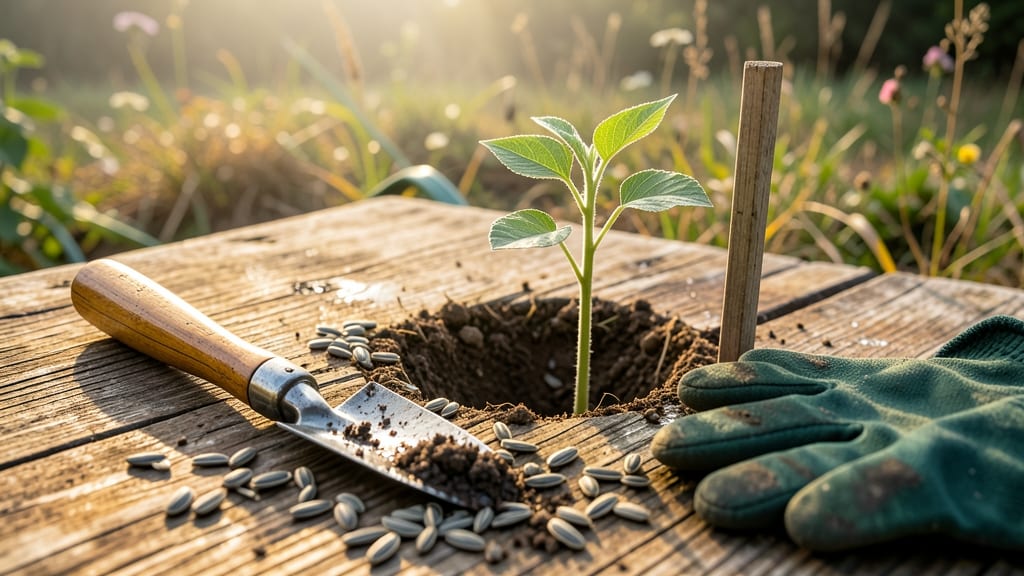
If you're dreaming of towering 🌻 sunflowers reaching toward Michigan skies, when do you plant sunflower seeds in Michigan is the key to success—because those vibrant blooms won’t magically appear if you sow too early or too late.
Michigan’s 5b-6b climate demands patience, especially when frost can linger until mid-April or later, depending on your region.
For the hardiest, tallest sunflowers, the ideal window stretches from mid-April to early June, but there’s more to it than just dates. Soil temperature and last-frost predictions play a bigger role than you might think—planting too soon risks frost damage, while waiting too long could cut your growing season short.
Here’s the good news: sunflowers are easy to grow once you get the timing right. They thrive when sown directly in the ground (no need for indoor starts), and with the right variety, you’ll enjoy blooms from late summer through fall.
Let’s break down the best months, regional differences, and pro tips to ensure your sunflowers grow stronger and taller than ever.
Whether you’re a beginner or a seasoned gardener, mastering this timing will transform your garden into a sunflower-filled paradise—just in time for Michigan’s golden autumns. Ready to learn the exact steps?
Michigan sunflower planting calendar: best months by region (northern vs southern)
Michigan’s diverse climate means sunflower planting times vary dramatically from the Upper Peninsula to southern regions. The last frost date is your best guide—planting too early risks frost damage, while waiting too long cuts bloom time.
Most Michigan gardeners aim for mid-April to early June, but regional differences matter.
In USDA Zones 5b-6a (Northern Michigan), frost lingers until mid-May, so hold off until late April or early May. Southern Michigan (Zone 6b) enjoys earlier soil warmth, allowing March indoor starts or direct sowing by mid-April. Check your local Michigan State University Extension frost maps for precision.
Here’s how to align your planting with Michigan’s three key regions:
For direct sowing (the easiest method for sunflowers), wait until soil temperatures reach 55°F—use a soil thermometer to confirm. In cooler northern regions, this often means delaying until late May for faster germination.
Southern Michigan gardeners can start as early as April 1 under row covers if nights are still chilly.
Pro tip: Sunflowers hate cold feet. Even if air temperatures warm, soil must stay above 50°F for 24 hours before planting.
Test with your finger—if the 6-inch depth feels cool, wait a week. Black plastic mulch can warm soil by 5–10°F, giving you an earlier start in marginal zones.
If you’re starting seeds indoors (for early blooms), begin 4–6 weeks before your last frost. Southern Michigan gardeners can start in mid-March, while northerners should wait until early April. Use biodegradable pots to avoid transplant shock—sunflowers despise root disturbance.
Remember: Sunflowers grow fast—some varieties reach 10 feet in 80 days. Planting too late means smaller blooms or no flowers at all before frost. Aim for 90–120 days to maturity based on your variety and region.
For extended harvests, succession plant every 2 weeks from May to early June. This ensures continuous blooms from July through October, even in Michigan’s shorter growing seasons. 🌻
How to adjust sunflower planting for Michigan’s unpredictable weather: tips for success
Michigan’s unpredictable spring weather can turn your sunflower dreams into disappointment if you’re not prepared. Late frosts after planting or cool soil temperatures can delay germination, while early heatwaves might stress seedlings. The key is flexibility—adjusting your approach based on real-time conditions rather than a rigid calendar.
Start by testing your soil temperature before planting. Sunflower seeds need soil that’s at least 55°F (13°C) to sprout reliably. Use a soil thermometer to check—if it’s cooler, wait a few days or use a black plastic mulch to warm the soil faster.
This simple step can mean the difference between healthy seedlings and a failed patch.
For gardeners in northern Michigan (like the Upper Peninsula), consider starting seeds indoors in late March under grow lights. Transplant them outdoors after the last frost date (around May 15), but only if nighttime temperatures stay above 50°F (10°C).
Use biodegradable pots to avoid disturbing roots during the move.
⚠️ Late Frost Warning
Michigan’s average last frost ranges from April 15 (south) to May 15 (north), but late frosts can hit as late as June 1. Protect young sunflowers with:
- Row covers (remove when temps rise above 70°F)
- Cold frames for early seedlings
- Cloche bells over individual plants
If your spring is extra slow, opt for fast-maturing varieties like 'Early Bird' (50 days to maturity) or 'Moulin Rouge' (60 days). These dwarf varieties can bolt quickly in warm soil, giving you a head start.
For taller varieties like 'Autumn Beauty', plant a second batch in early June to ensure blooms before frost.
Watering strategies also shift with Michigan’s variable weather. After planting, keep soil consistently moist (not soggy) until seedlings emerge. Once they’re up, deep water 1-2 times per week, focusing on the root zone.
In drought years, mulch with straw or wood chips to retain moisture and regulate soil temperature.
Don’t forget to monitor for pests like sunflower moths or squirrels that may dig up seeds. Use physical barriers (like wire cages) for early plantings, and handpick pests as needed. With these adjustments, you’ll beat Michigan’s weather and enjoy towering sunflowers from summer to fall.