
Flowers
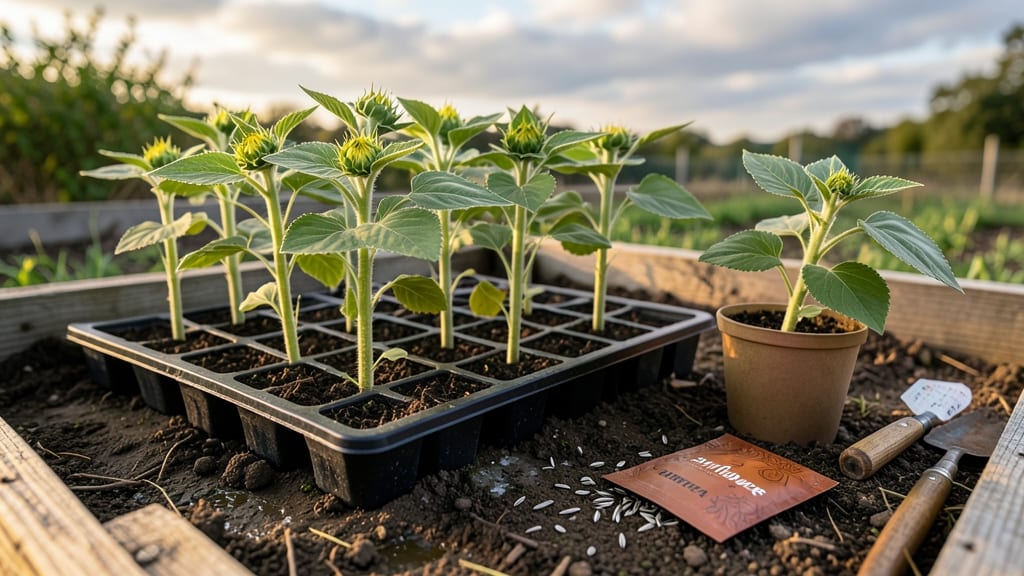
Planting sunflowers in Missouri at the right time means the difference between towering 🌻 blooms and struggling seedlings. While many gardeners assume spring is the only window, Missouri’s climate actually allows for two successful planting seasons—spring and late summer—for those who know the tricks.
Missouri’s USDA zones 5a-6b create unique challenges, from early frost in northern areas to scorching summer heat in the south. Whether you’re in St. Louis or Kansas City, timing your sunflower seeds to avoid frost damage while maximizing growth is the key to a bountiful harvest.
In this guide, I’ll break down the exact frost-free dates for each zone, plus the best sunflower varieties to plant for your region. You’ll also discover how to stretch your growing season with simple techniques that work even in Missouri’s unpredictable weather.
Ready to grow sunflowers that reach their full potential? Let’s get started with the planting schedule that’ll make your garden stand out.
Missouri sunflower planting dates by hardiness Zone & frost risk
Missouri’s diverse climate zones (USDA 5a-6b) mean your sunflower planting window varies by region. In Zone 5a (northern MO), wait until after May 15 when soil warms to 55°F+. Gardeners in Zone 6a (central/southern MO) can start as early as April 15 for early varieties.
Always check your local last frost date—Missouri’s ranges from April 15 (south) to May 15 (north).
Sunflowers thrive in warm soil, so avoid planting until temperatures stay above 60°F nightly. Use soil thermometers to confirm—ideal germination occurs at 70-85°F. In Missouri’s clay-heavy soils, warm up beds with black plastic mulch 2 weeks before planting to speed up soil warming.
For direct sowing (recommended for sunflowers), plant seeds 1/2 inch deep and 12-24 inches apart, depending on variety. Transplanting is not recommended—sunflowers have delicate taproots that transplant poorly. Start seeds indoors 2-3 weeks early only if using heat mats to prevent legginess.
Missouri’s summer heat (often 90°F+) actually benefits sunflowers, but late-season varieties need extra care. Plant tall varieties (10+ ft) earlier to avoid late-summer storms toppling them. Dwarf varieties (3-5 ft) can handle succession planting through mid-July for extended blooms.
Here’s how Missouri’s frost risk impacts your planting schedule:
| Zone | Avg. Last Frost | Ideal Planting Window | Soil Temp Goal | Notes |
|---|---|---|---|---|
| 5a (North) | May 15 | May 20–June 15 | 60°F+ | Use row covers for early starts |
| 5b (Northeast) | May 1 | April 30–June 10 | 58°F+ | Watch for late frosts |
| 6a (Central) | April 15 | April 15–May 30 | 65°F+ | Best for early varieties |
| 6b (Southwest) | March 20 | March 20–June 1 | 70°F+ | Longest growing season |
Missouri’s northern zones (5a/5b) face higher frost risk even in summer. If planting late varieties, use frost cloth until stems are 2 inches tall. In Zone 6a/6b, you can push succession planting through mid-July for fall blooms—just ensure seeds germinate before August 15 to avoid frost damage.
For container growing in Missouri, plant dwarf varieties in 5-gallon pots
Best sunflower varieties for Missouri’s climate & planting windows
Choosing the right sunflower variety for Missouri’s climate can mean the difference between a 6-foot plant and a 12-foot giant. Missouri’s USDA zones 5a-6b experience both early frosts and intense summer heat, so selecting varieties with the right maturity timeline and heat tolerance is key.
For early spring planting, opt for short-season varieties like ‘Teddy Bear’ or ‘Moulin Rouge,’ which mature in 60-75 days and thrive in cooler temperatures. These varieties are perfect for gardeners in northern Missouri (zones 5a-5b) who want to avoid frost damage while still enjoying summer blooms.
In southern Missouri (zones 6a-6b), where summers are hotter, consider heat-tolerant varieties like ‘Russian Giant’ or ‘Autumn Beauty.’ These varieties can handle 90+ degree temperatures and produce stunning 8-12 foot stalks, perfect for late summer or even fall planting.
| Variety | Maturity (Days) | Height | Best Planting Time | Missouri Adaptability |
|---|---|---|---|---|
| Teddy Bear | 60-75 | 3-5 ft | Early spring (April) | Zones 5a-6b, frost-resistant |
| Moulin Rouge | 60-75 | 4-5 ft | April-May | All zones, compact |
| Russian Giant | 90-120 | 10-12 ft | Late May-June | Zones 6a-6b, heat-loving |
| Autumn Beauty | 75-90 | 5-7 ft | June-July (fall blooms) | All zones, long bloom season |
If you’re planting for fall color, ‘Autumn Beauty’ is my top pick—it produces multi-colored blooms that last well into October. For cut flowers or bird feed, ‘Russian Giant’ is unbeatable, but give it plenty of space since it can reach 12 feet tall.
For container gardening or small spaces, ‘Teddy Bear’ or ‘Moulin Rouge’ are perfect—they stay under 5 feet and bloom quickly. These varieties also work well for succession planting, allowing you to enjoy sunflowers from early summer through fall.
Pro tip: If you’re in zone 5a, start your Russian Giant or ‘Autumn Beauty’ seeds indoors in late March to give them a head start. Transplant outdoors after the last frost date in mid-May to ensure they mature before winter.