
Flowers
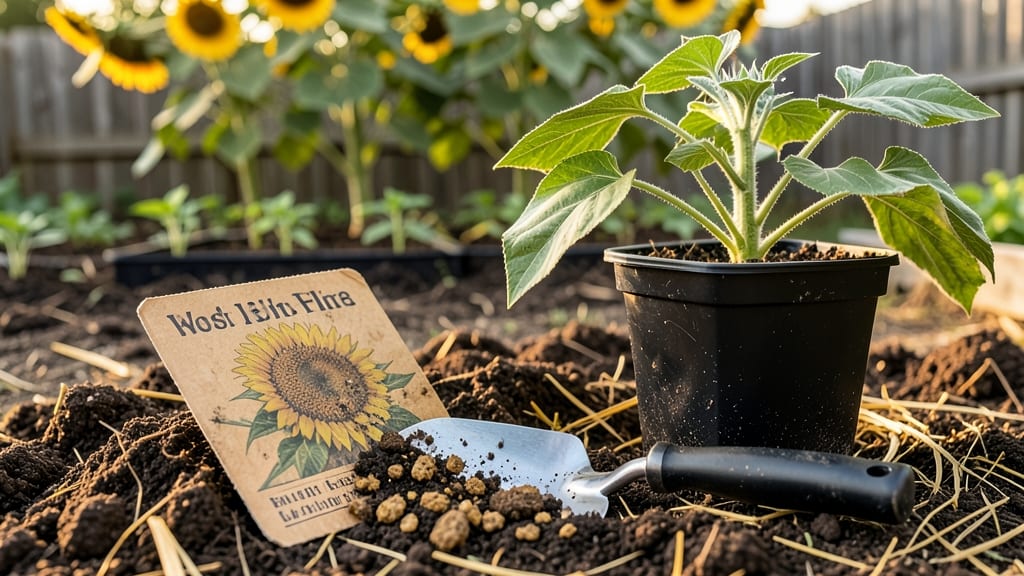
Planting sunflowers in Texas at the wrong time means watching your bright blooms 🌻 struggle before they even begin—so timing is the secret to those towering, cheerful stalks that define Texas gardens.
The key lies in your specific zone, whether you're in frost-prone North Texas or the milder Gulf Coast, where even a week too early can spell disaster for tender seedlings.
I’ve learned the hard way that Texas sunflowers need warm soil and consistent heat to thrive, which is why I now follow precise planting windows tailored to each region.
For North Texas gardeners, that means waiting until after March 15, while South Texas growers can start as early as February—but only if the ground isn’t still cold.
What you’ll discover here are the exact months to plant for maximum height and bold blooms, plus pro tips to beat Texas heat and soil challenges.
Whether you’re growing 3-foot dwarf varieties or 18-foot giants, these strategies will ensure your sunflowers reach their full potential—without wilting before they shine.
Ready to transform your garden into a sunflower sea? Let’s dive into the planting calendar that works for your Texas zone, so you can enjoy those golden faces from May through November.
Texas sunflower planting calendar by hardiness zones (8a-10a)
Texas’s diverse climate—from the Panhandle’s chilly winters to the Gulf Coast’s balmy springs—means sunflower planting times vary wildly. In North Texas (Zone 8a), frost lingers until mid-March, while South Texas (Zone 10a) can plant as early as January.
Central Texas (Zone 8b-9a) falls somewhere in between, with February as the sweet spot. Get the timing wrong, and your sunflowers might bolt too fast or rot in summer heat.
For bold, towering blooms, aim to plant when soil temps hit 50°F (10°C)—a simple test is pressing your finger into the soil 2 inches deep; it should feel warm but not scorching.
In North Texas, this usually aligns with late March to early April, while South Texas gardeners can start as early as mid-February. The key is beating the summer heatwave, which can stress young seedlings.
Here’s your zone-by-zone planting calendar, including early, mid, and late-season options to maximize flower size and stem strength:
For giant sunflowers (think 12+ feet tall), plant early in your zone to give roots time to establish before the Texas summer heat kicks in. Dwarf varieties, like ‘Teddy Bear,’ can handle late plantings (up to May 15 in North Texas) and still thrive.
Just expect smaller blooms if you push the timeline.
Pro tip: If you’re in Zone 10a and want year-round sunflowers, try a fall planting in September. The cooler temps will slow growth, and you’ll avoid the 100°F+ heat that can scorch seedlings. Just be ready to harvest by December before frost hits.
One common mistake? Planting too close to summer solstice. Sunflowers planted in June or July often bolt prematurely (shoot up without flowering) or develop weak stems that snap in storms. Stick to the spring window, and you’ll get sturdy stems and vibrant blooms that last all summer.
For extended blooms, consider succession planting: sow a new batch every 2-3 weeks in March and April. This ensures a continuous display from June through October, even in Texas’s sweltering heat. Just monitor soil moisture—drought stress can trigger early bolting.
If you’re in North Texas and worried about late frosts, use row covers or plant near heat-retaining structures like fences or brick walls. These microclimates can push soil temps up by 5-10°F, giving your sunflowers a head start before the last frost.
Remember: Sunflowers love heat, but they hate soggy soil. In South Texas, where humidity is high, space plants 12+ inches apart and avoid overhead watering to prevent powdery mildew.
With the right timing, your sunflowers will reach their full potential—towering over your garden like Texas-sized sentinels. 🌻
Texas sunflower planting calendar by hardiness zones (8a-10a)
Texas spans three distinct hardiness zones (8a-10a), each with unique frost dates and heat patterns that dictate the perfect sunflower planting window.
In North Texas (Zone 8a), where frosts linger until March 15, I wait until early April to plant—this ensures seedlings avoid cold snaps while benefiting from warming soil.
Meanwhile, Central Texas (Zone 8b-9a) gardeners can start as early as February 15, while South Texas (Zone 9b-10a) enjoys a longer window from February through April.
The key is soil temperature, not just air temperature. Sunflowers need soil at least 50°F (10°C) to sprout consistently. In my East Texas garden (Zone 8a), I use a soil thermometer to confirm readiness—skipping this step once led to my seedlings rotting in cold, damp earth.
For West Texas (Zone 8b), where heat arrives earlier, March planting often yields taller stalks by summer.
Here’s the breakdown of your optimal planting months by zone, plus strategies to maximize bloom size and stem strength:
| Zone | Last Frost Date | Best Planting Window | Peak Bloom Time | Pro Tip |
|---|---|---|---|---|
| 8a (North TX) | March 15 | April 1–15 | June–September | Use black plastic mulch to warm soil faster. |
| 8b–9a (Central TX) | February 15 | March 1–April 15 | May–October | Plant dwarf varieties for urban gardens. |
| 9b–10a (South TX) | January 15 | February 1–April 1 | April–November | Succession plant every 2 weeks for continuous blooms. |
For giant sunflowers (12+ feet), I plant in early April across all zones to give them the longest growing season before summer heat peaks.
In Zone 10a (Rio Grande Valley), I’ve seen ‘Russian Giant’ varieties reach 15 feet when planted in February—just be prepared to stake them early against Texas winds.
If you’re in West Texas (Zone 8b), where summer arrives abruptly, opt for heat-tolerant varieties like ‘Autumn Beauty’ and plant by March 30 to avoid bolting (premature flowering) from stress.
In East Texas (Zone 8a), I’ve had success with late April plantings for fall blooms, though yields are smaller.
Pro tip: Mark your calendar for July 1—this is when I start succession planting in South Texas to ensure blooms through November. The secret? Shade cloth during peak afternoon heat (2–5 PM) to prevent wilting.