
Plants
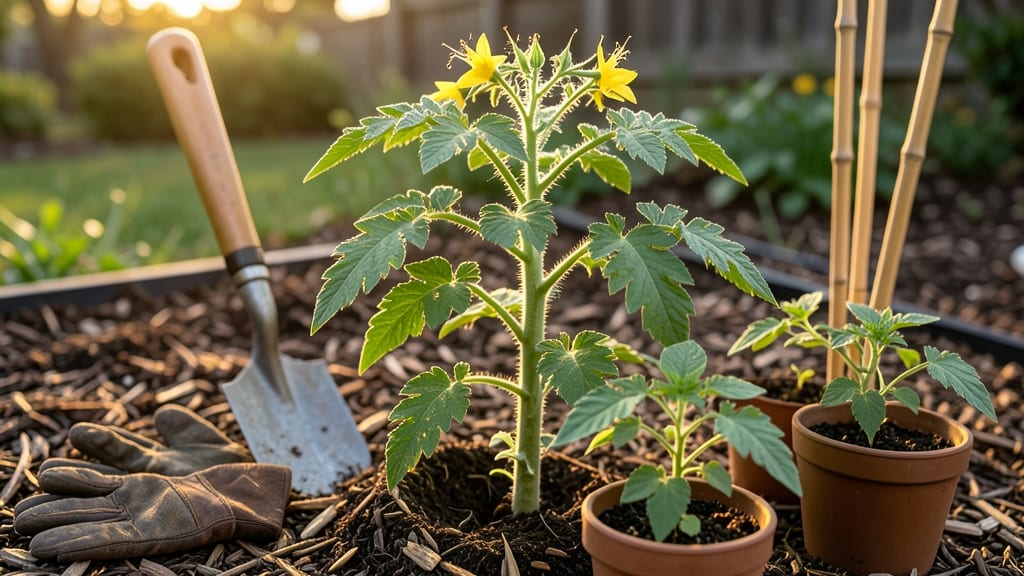
Timing your tomato planting in Pennsylvania can make or break your harvest—get it wrong, and you might end up with wilted seedlings or underripe fruit by fall.
The key is knowing when to plant after the last frost, which varies by zone and variety, but generally falls between mid-April and early June for most of the state.
With Pennsylvania’s diverse climate—from cooler mountain regions to warmer valleys—figuring out the perfect window can feel overwhelming. But whether you’re starting seeds indoors or transplanting young plants, understanding your USDA zone (6a-7a) and local microclimates is the game-changer.
A few weeks too early, and a late frost could ruin your progress.
I’ll break down the exact planting windows for your zone, when to start seeds indoors, and how to adjust for unpredictable springs. Plus, I’ll share pro tips to extend your growing season so you can enjoy homegrown tomatoes 🍅 well into October.
Ready to avoid common mistakes and maximize your harvest? Let’s dive into the best times to plant tomatoes in Pennsylvania—and how to set yourself up for success from day one.
Pennsylvania last frost dates by hardiness Zone (when to plant tomatoes safely)
Pennsylvania’s diverse climate zones mean your tomato planting window depends heavily on where you live. Most of the state falls within USDA zones 5-7, with last frost dates ranging from mid-April in southern regions to late May in the northern mountains.
Getting this wrong can lead to frost damage or stunted growth—so let’s break it down by zone.
For Zone 5 (northwest PA, Pocono Mountains), aim to plant after May 1 when soil temperatures hit 60°F. In Zone 6 (central PA, including Harrisburg and State College), you’ll typically have April 15-22 as your target window.
Meanwhile, Zone 7 (southwest PA, near Pittsburgh) can start as early as April 1 in sheltered microclimates.
🌱 Pro Tip: Use heat maps like the National Weather Service’s frost prediction tools or local Cooperative Extension reports for real-time adjustments. These tools account for microclimates—like valleys staying cooler longer than hilltops.
Here’s a quick reference for safe planting windows across Pennsylvania’s zones, including key soil temperature and frost risk factors:
| Zone | Avg. Last Frost Date | Safe Planting Window | Soil Temp. Requirement | Frost Risk After |
|---|---|---|---|---|
| Zone 5 | May 1 | May 15–June 1 | 60°F+ | Low (after May 10) |
| Zone 6 | April 15–22 | April 25–May 10 | 60°F+ | Moderate (after April 30) |
| Zone 7 | April 1–10 | April 15–May 1 | 60°F+ | Low (after April 15) |
Adjust 1–2 weeks earlier for sheltered microclimates (e.g., south-facing slopes).
Planting too early risks frost damage to young seedlings, while waiting too long shortens the growing season—especially for longer-maturing varieties. In Zone 5, for example, a late May planting might not yield ripe tomatoes before the first fall frost (typically October 15).
If you’re in a transition zone (like parts of Zone 6a near the Ohio border), err on the side of caution. Use row covers or cold frames to extend your window by 2–3 weeks if needed. These tools create a microclimate that protects tender seedlings while they establish roots.
🌡️ Key Reminder: Always check soil temperature with a soil thermometer—not just air temperature. Tomatoes need consistent warmth to thrive, and cold soil can stunt growth even if daytime temps are mild.
For mountainous areas (e.g., Poconos or Allegheny Front), add 1–2 weeks to the average frost dates. Cold air pools in valleys, so plant 2 weeks later than your zone’s general guideline. Conversely, urban heat islands (like Philadelphia) can push last frost dates 1 week earlier.
Finally, keep an eye on weather forecasts in the week leading up to planting.
A late frost warning might delay your schedule by 10–14 days, but it’s better to wait than risk losing your entire crop. Succession planting (adding a second batch 2 weeks later) can help mitigate delays and ensure a steady harvest.
Best tomato varieties for Pennsylvania’s short vs. long seasons (and when to start seeds)
Pennsylvania’s USDA zones 5-7 create a short growing season challenge for tomatoes, but choosing the right varieties and starting seeds at the perfect time can make all the difference. In Zone 5, where the last frost often hits around May 15, early-maturing varieties are non-negotiable.
Meanwhile, Zone 7 gardeners can stretch their season with heat-tolerant types—if they plant early enough.
For Zone 5, my go-to is 'Early Girl' (55-65 days to maturity), which I start indoors by March 1 to transplant by April 20.
In Zone 6, I swap in 'Stupice' (60 days), a cold-hardy heirloom that thrives in cooler springs. Zone 7 gardeners should try 'Celebrity' (70 days) or 'Solar Fire' (80 days), both of which handle summer heat better than most.
Here’s the key: Seed-starting dates depend on your zone. In Zone 5, begin seeds 8-10 weeks before last frost (early March).
In Zone 7, you’ve got more flexibility—start seeds 6-8 weeks out (late February to early March). Transplant outdoors only after soil hits 60°F and nighttime temps stay above 50°F consistently.
| Zone | Best Varieties | Start Seeds Indoors | Transplant Outdoors |
|---|---|---|---|
| 5 | Early Girl, Stupice, Mountain Merit | March 1-15 | April 20-May 1 |
| 6 | Better Boy, Brandywine, Roma | March 15-April 1 | May 1-15 |
| 7 | Celebrity, Solar Fire, Heatmaster | February 20-March 15 | April 15-May 10 |
Don’t make the mistake of planting too late—even heat-loving varieties need time to mature before Pennsylvania’s first fall frost (usually October 15). For a second crop, try succession planting with fast-maturing varieties like 'Patio Princess' (45 days) in late June.
Just be ready to protect plants with row covers if temperatures dip.
Pro tip: Hardening off seedlings is critical in PA’s unpredictable spring. Start 10 days before transplanting by moving plants outdoors for a few hours daily, gradually increasing exposure.
This toughens them up for the chilly nights that can still hit in May. And always water deeply before transplanting—stressed plants struggle to recover.
If you’re in a microclimate (like a south-facing slope or urban heat island), you can push planting dates 1-2 weeks earlier. But if your garden sits in a valley or near a lake, err on the side of caution—wait until after May 10 to avoid late frosts.
The National Weather Service provides local frost forecasts; bookmark their site for real-time updates.