
Plants
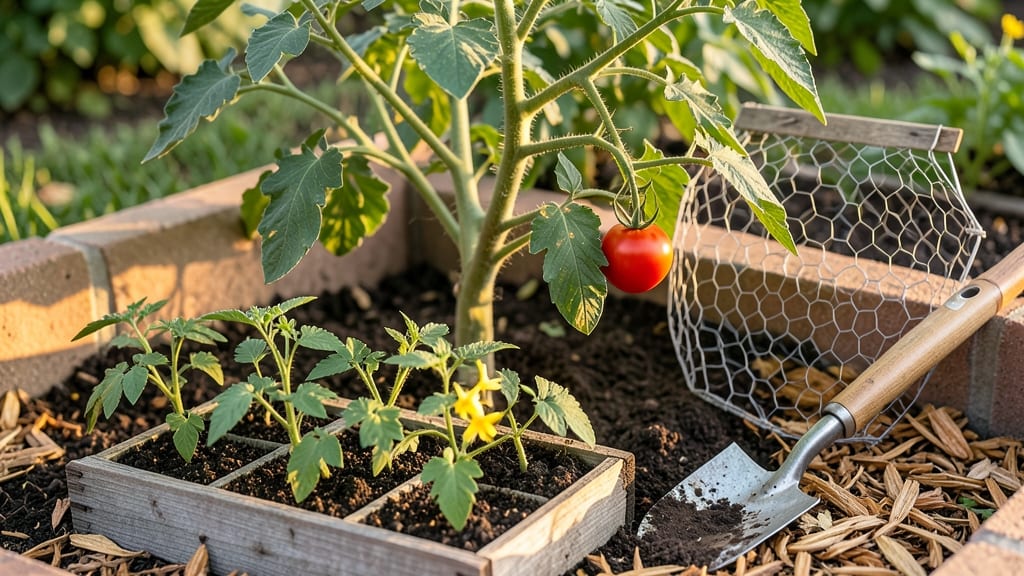
If you're a Missouri gardener, when do you plant tomatoes in Missouri at the right time makes all the difference between a bumper crop and a sad, wilted disappointment. Plant too early, and frost will turn your seedlings into sad, crispy snacks.
Wait too long, and you’ll miss the sweet spot for maximum yield before summer’s brutal heat sets in.
For gardeners in USDA zones 5b-6b, timing is everything—especially when your harvest window stretches from June to October. The ideal planting window in Missouri runs from mid-April to mid-May, but there’s more to it than just dates.
Soil temperature, frost risk, and even your tomato variety play a role in whether your plants thrive or struggle.
Whether you’re transplanting seedlings or sowing seeds directly, I’ll break down the exact steps to ensure your tomatoes get off to the best start. We’ll cover heat-tolerant varieties that perform well in Missouri’s climate, common mistakes to avoid, and how to extend your growing season for a longer harvest.
Ready to turn your garden into a tomato powerhouse? Let’s dive into the science-backed strategies that’ll have you picking ripe 🍅 tomatoes all summer long—no guesswork required.
Missouri tomato planting dates by hardiness Zone (with exact calendar weeks)
Missouri’s USDA hardiness zones 5a-7b create wildly different planting windows for tomatoes. In Zone 5a (northern Missouri), you’ll need to rush to get plants in the ground by late April, while Zone 7b (southern Missouri) offers a more forgiving window until mid-May.
The key? Waiting until the soil temperature hits 60°F—cold soil slows germination and invites disease.
Most Missouri gardeners use transplants (bought or homegrown) rather than direct sowing, since seedlings need 50-60 days to mature. Start seeds indoors 6-8 weeks before your last frost date, or buy sturdy 6-inch transplants from local nurseries once the danger of frost has passed.
For direct sowing, wait until mid-May in all zones—earlier sowings risk frost damage.
Here’s the exact planting timeline by zone, including soil prep and transplanting tips:
| Zone | Last Frost Date | Ideal Planting Window | Soil Temp Threshold | Transplant Method |
|---|---|---|---|---|
| 5a (e.g., St. Joseph) | April 15 | April 20–May 5 | 60°F+ | Transplants only (avoid direct sow) |
| 5b (e.g., Columbia) | April 1 | April 10–May 10 | 60°F+ | Transplants (direct sow after May 10) |
| 6a (e.g., Springfield) | March 25 | April 5–May 15 | 60°F+ | Transplants or direct sow |
| 6b (e.g., Joplin) | March 15 | April 1–May 20 | 60°F+ | Direct sow or transplants |
| 7a/7b (e.g., Cape Girardeau) | March 1 | March 20–May 30 | 60°F+ | Direct sow or transplants |
For container gardening, extend your window by 2-3 weeks—pots warm up faster than ground soil. Place containers in south-facing spots and use black plastic mulch to raise soil temps by 5-10°F.
In Zone 5a, I’ve had success with row covers over early transplants to create a microclimate.
Missouri’s variable weather means you should always have a backup plan. Check the National Weather Service for 7-day forecasts before planting, and keep row covers or greenhouse space ready for late frosts. Even in Zone 7b, a late-May frost can occur—don’t skip frost protection for early plantings.
If you’re growing heirloom varieties with longer maturity dates (e.g., Brandywine), start seeds indoors 8-10 weeks before your last frost. For hybrids like 'Celebrity', which mature in 65-70 days, a 6-week head start is perfect.
I’ve found that seed-starting trays with grow lights give seedlings a 30% stronger start than windowsill germination.
Don’t forget succession planting! In Zones 6b-7b, you can squeeze in 2-3 tomato plantings by
Heat-tolerant tomato varieties that thrive in Missouri’s summer heat (with growing tips)
Missouri’s summer heat can turn tomato plants into crispy critters if you’re not careful. The key is choosing heat-tolerant varieties that handle 90°F+ temperatures without wilting.
My top picks for Missouri gardens include 'Celebrity', 'Heatmaster', and 'Solar Fire', all bred to resist cracking, sunscald, and blossom drop in our Zone 5b-7b climate. These varieties also boast built-in disease resistance, a must for Missouri’s humid summers.
Determinate vs. indeterminate types matter too. Determinate varieties like 'Mountain Merit' grow to a fixed height (3-4 ft) and produce fruit all at once—ideal for canning or quick harvests. Indeterminate types like 'Better Boy' keep growing and fruiting until frost, perfect for extended harvests in Missouri’s shorter growing season.
I recommend planting both for a steady supply from July through October.
Determinate vs. Indeterminate Tomatoes for Missouri
Pros: Compact growth, all-at-once harvest, great for sauces
Cons: Limited harvest window, needs staking
Pros: Continuous harvest, vining growth, better for fresh eating
Cons: Needs strong support, longer season risk
Missouri Tip: Use cage supports for determinates and trellises for indeterminates to maximize space and airflow.
For disease resistance, prioritize varieties with VFN (Virus, Fusarium, Nematode) labels. Missouri’s clay-heavy soils often harbor verticillium wilt and early blight, so 'Defiant PhR' and 'Bush Early Girl' are my go-to picks.
Always rotate planting locations yearly to prevent soil-borne diseases from building up. I also swear by mulching with straw to keep soil cool and reduce fungal spores.
Heat-loving tomatoes need consistent moisture—never let the soil dry out completely during fruit set. I water mine deeply in the morning (1-2 gallons per plant) and avoid wetting leaves to prevent sunburn and disease.
A 5-10-10 fertilizer applied every 3-4 weeks keeps them producing through August’s heat waves. For extra protection, I plant shade cloth (30%) over seedlings until they’re established, then remove it gradually.
Missouri’s late summer heat can cause blossom drop, but you can trick your plants into setting fruit by hand-pollinating with a small brush on hot, still days.
Varieties like 'Heatmaster' are bred to handle this, but even heat-sensitive types will reward you if you provide afternoon shade during 95°F+ stretches. My 'Solar Fire' plants have given me red tomatoes in September when others fail!
Pro tip: Start seeds indoors 6-8 weeks before your last frost date (typically mid-March for Missouri). Use biodegradable pots to avoid root disturbance when transplanting. Harden off seedlings by placing them outside for 2-3 hours daily starting 2 weeks before transplanting—this toughens them up for our unpredictable spring weather.