
Companion Plants
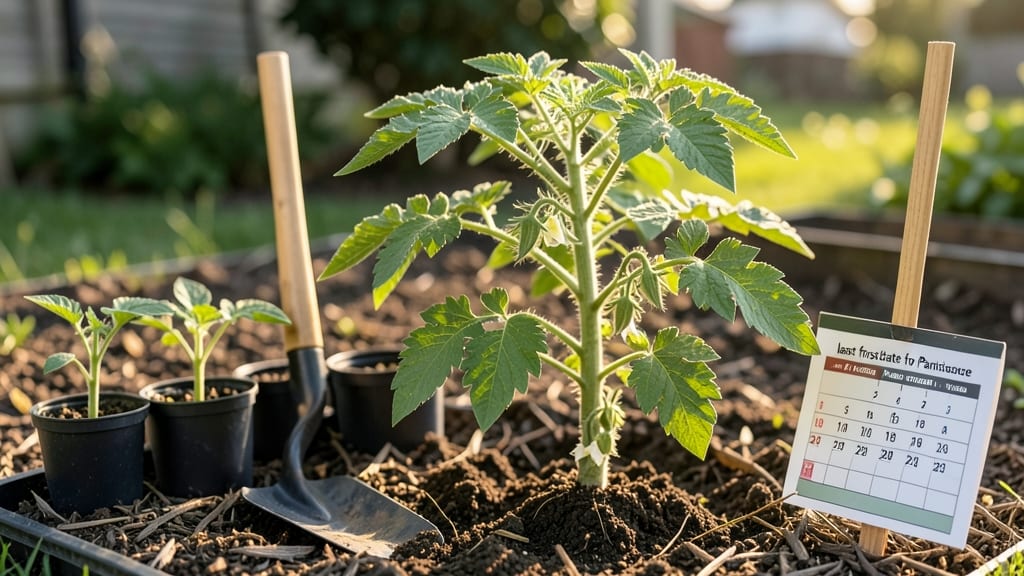
If you're asking "when do you plant tomatoes in PA", timing is everything—one wrong move, and your 🍅 dreams could turn into frost-bitten disappointment. Pennsylvania's spring weather is famously unpredictable, with last-frost dates that can swing by weeks depending on your exact location in zones 6a-7b.
Most gardeners here wait until mid-April to early June after the last frost, but that's just the starting point. The real secret lies in soil temperature—waiting until it hits at least 60°F ensures healthy root growth and prevents transplant shock.
I'll show you exactly how to time it right for your specific variety, whether you're growing heat-loving Sungolds or classic Brandywines.
Here's the good news: with the right approach, you can stretch your harvest from July through October. We'll cover everything from starting seeds indoors to direct sowing, plus how to use row covers to push your season later into fall.
No more guessing—just proven strategies that work for Pennsylvania's climate.
Ready to grow tomatoes that actually thrive? Let's dive into the exact planting schedule that'll have your plants flourishing while your neighbors are still waiting for their seeds to sprout.
You'll learn the 10-day rule for safe transplanting, how to read local frost data, and which varieties perform best in your zone.
PA last-frost dates by Zone: when to plant tomatoes safely
Pennsylvania’s last-frost dates vary dramatically from the Poconos (Zone 5a) to Philadelphia (Zone 7b), making timing everything for your tomato plants. The average last frost typically lands between April 15 and May 15, but your personal last frost date could shift by weeks.
For example, Pittsburgh usually sees its final frost by April 25, while Scranton might still face frost until May 5.
To avoid frost damage, follow the 10-day rule: Wait 10 days after your last frost before transplanting seedlings outdoors. This buffer accounts for late frosts and gives young plants time to harden off.
For direct sowing, aim for soil temperatures above 60°F—a must for germination success.
Pro Tip: Use the National Weather Service’s Frost Prediction Tool or your local Cooperative Extension office for hyper-local data. Even a 2-week difference can mean the difference between a thriving harvest and wilted seedlings.
🌱
| USDA Zone | Avg. Last Frost | Safe Planting Window | Notes |
|---|---|---|---|
| 5a (Poconos, NE PA) | May 5–15 | May 25–June 1 | Start seeds indoors March 1 for early harvests. |
| 6a (State College, Harrisburg) | April 25–May 5 | May 15–25 | Transplant after May 10 for minimal risk. |
| 6b (Lancaster, Reading) | April 15–25 | May 5–15 | Direct sow after May 1 if soil is warm. |
| 7a (Philadelphia, Wilmington) | April 1–15 | April 25–May 5 | Early varieties can go in by April 15. |
| 7b (Pittsburgh suburbs) | April 10–20 | April 30–May 10 | Use row covers for late frosts. |
If you’re planting heirloom tomatoes like Brandywine, which need 85–90 days to mature, start seeds indoors by March 15 in Zone 5a or March 1 in Zone 7b.
For cherry tomatoes (e.g., Sungold), which mature faster (60–70 days), you can wait until April 1 to start seeds indoors or direct sow after your last frost.
One common mistake? Planting too early. Cold soil (below 50°F) stunts root growth, leaving plants vulnerable to disease and transplant shock. Use a soil thermometer to confirm warmth before planting.
If your soil is still chilly, opt for container gardening—pots warm up faster in sunny spots.
For late-season varieties like Black Krim, push your planting to June 1–15 to avoid blossom-end rot from summer heat. These tomatoes thrive in cooler fall temperatures and can produce fruit well into October.
Track your local frost history for 3–5 years to refine your schedule. Websites like Almanac.com or apps like PlantNet provide hyper-local frost alerts, so you’re never caught off guard. A 5-minute check now could save your $3 tomato plants from a late frost.
Remember: Pennsylvania’s weather is unpredictable, but with these zone-specific deadlines, you’ll maximize your tomato yield and minimize the risk of frost damage. Happy planting!
☀️
Tomato variety planting schedule: heat-tolerant vs. early-maturing types
Not all tomato varieties thrive in Pennsylvania’s unpredictable spring and summer heat. Some heat-sensitive types like Brandywine need cooler conditions, while heat-tolerant varieties like Sungold can handle PA’s sweltering July days. Your planting window depends on the type you choose.
Early-maturing varieties like Stupice or Early Girl can be planted as soon as the soil warms to 60°F, often by mid-April in southern PA. These fast-growing types reach maturity before summer’s peak heat arrives, making them ideal for cooler regions like USDA Zone 5a.
Heat-tolerant varieties like Celebrity or Heatmaster should wait until late May in northern PA (Zone 6a) or early May in southern PA (Zone 7a). These longer-season plants handle high temperatures better but need a longer growing season to produce fruit.
Cherry tomatoes like Sungold or Sweet 100 thrive in PA’s heat but need consistent moisture. Plant them after Memorial Day to avoid early blight, which flourishes in cool, wet springs.
Heirloom varieties like Brandywine or Cherokee Purple require cooler temperatures. Start these indoors by March and transplant after the last frost, aiming for early May in most of PA to avoid summer stress.
| Variety Type | Best Planting Window | Heat Tolerance | Days to Maturity | PA-Specific Tip |
|---|---|---|---|---|
| Early-Maturing (Stupice, Early Girl) | Mid-April to early May | Moderate | 60-70 days | Ideal for Zone 5a; use row covers if frost lingers. |
| Heat-Tolerant (Celebrity, Heatmaster) | Late May to early June | High | 75-85 days | Perfect for Zone 7a; mulch to retain soil moisture. |
| Cherry (Sungold, Sweet 100) | After Memorial Day | Very High | 55-65 days | Stagger plantings for continuous harvests in summer. |
| Heirloom (Brandywine, Cherokee Purple) | Start indoors March; transplant early May | Low | 80-90 days | Use shade cloth in July to prevent sunscald. |
For transplant shock prevention, harden off seedlings for 7-10 days before moving them outside. Acclimate them gradually to PA’s sun and wind to ensure strong root development.
If you’re unsure about your last-frost date, check the Penn State Extension or Almanac for your specific county. Local microclimates can shift planting windows by 2-3 weeks, so always verify!