
Plants
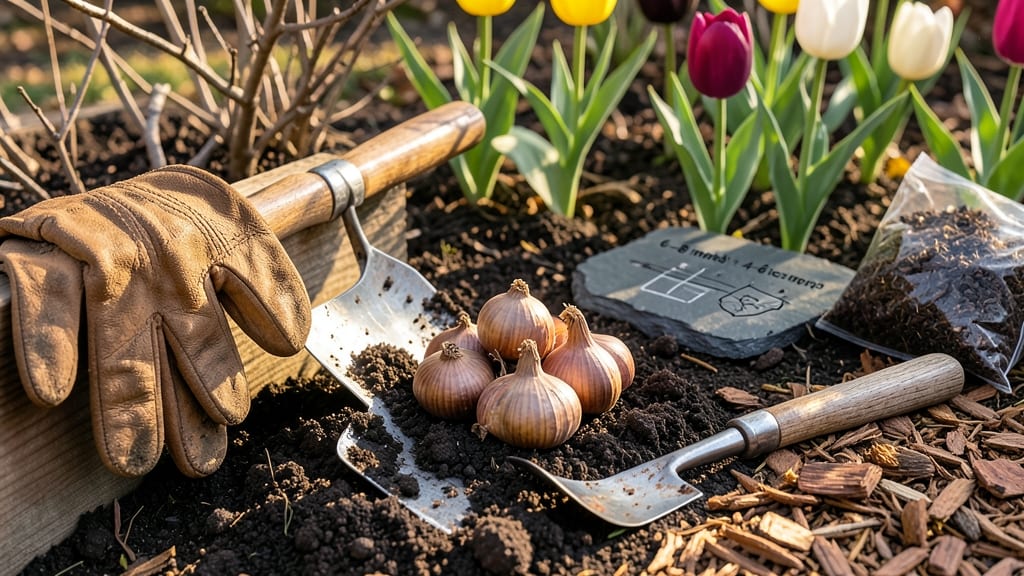
Planting tulip bulbs in North Carolina at the wrong time can mean the difference between a vibrant spring garden and a wasted investment. The key to success lies in understanding your hardiness zone and acting before the ground freezes—typically between October and November.
With North Carolina’s diverse climate zones—from the cooler Piedmont to the milder Coastal regions—timing matters more than ever. I’ll show you exactly when to plant in your specific zone to ensure those 🌷 bulbs establish strong roots before winter sets in.
Too early, and you risk rot; too late, and your tulips may never bloom. Let’s break down the ideal planting window, soil prep, and depth for your zone so you can enjoy those cheerful flowers come spring.
Whether you’re a first-time gardener or a seasoned pro, these actionable tips will help you plant with confidence—and avoid common mistakes that derail tulip growth.
North Carolina tulip planting calendar by hardiness zone (7a-8b)
North Carolina spans USDA zones 7a-8b, creating distinct planting windows for tulip bulbs. The key is planting 4-6 weeks before the ground freezes—typically October through mid-November—to allow roots to establish before winter.
In zone 7a (western mountains), aim for early October, while zone 8b (coastal areas) can wait until late November.
Soil temperature is critical: bulbs need 40-50°F soil to root properly. Use a soil thermometer to confirm readiness—planting too early in warm soil risks rot, while waiting too late may prevent root growth. Frost dates vary: mountainous regions freeze earlier (late October), while coastal areas hold warmth longer (mid-November).
For ideal depth, dig holes 6-8 inches deep (about 3x the bulb’s height) and space bulbs 4-6 inches apart. This spacing prevents overcrowding and ensures strong stems.
Add a 1-inch layer of compost to the bottom of each hole for nutrient-rich soil—tulips thrive with well-draining, slightly acidic soil (pH 6.0-7.0).
Microclimates matter: Piedmont gardens (zone 7b) often plant in early to mid-October, while Coastal Plain areas (zone 8a) can extend planting until early December. Use mulch (2-3 inches of straw or leaves) after planting to insulate bulbs and retain moisture during winter. This is especially crucial in zone 7a, where colder snaps are common.
Here’s your zone-specific planting timeline to avoid common mistakes like premature sprouting or frost damage:
After planting, water deeply once to settle the soil and encourage root growth. Avoid overwatering, as soggy soil can cause bulb rot. In zone 7a, a 2-3 inch mulch layer protects bulbs from extreme cold, while zone 8b gardens may skip mulch if winters are mild.
Tulips are hardy to 30°F, but consistent cold (below 20°F) may require additional protection.
For container gardening, use pots with drainage holes and plant bulbs 6 inches deep. Place containers in a protected spot (e.g., against a garage wall) to shield them from freeze-thaw cycles.
In zone 8b, you can even plant tulips in late fall or early winter if soil temps stay above 40°F. The goal is always the same: roots established before dormancy.
Remember: No spring planting! Tulips are cool-season plants that need a dormant winter period to bloom. If you miss the fall window, wait until next year—tulips won’t survive transplanting after sprouting.
With the right timing, your North Carolina garden will reward you with bold blooms from April through May.
Pro tip: Mark your planting spots with bamboo stakes to avoid disturbing bulbs during winter. Come spring, you’ll know exactly where to expect those vibrant tulip shoots breaking through the soil! 🌷
North Carolina tulip planting calendar by hardiness zone (7a-8b)
North Carolina spans USDA zones 7a to 8b, meaning your tulip planting window varies by region. In zone 7a (Piedmont), aim for mid-October to early November, while zone 8b (Coastal) can extend planting until late November.
The goal? Plant 4-6 weeks before the ground freezes—typically by November 15th statewide.
Soil temperature is your best guide: Tulips need 60°F or below to trigger root growth. Use a soil thermometer or track local frost dates—most NC regions hit freezing by mid-November. Pro tip: Plant in well-draining soil to prevent rot, especially in zones with wetter winters.
| Zone | Planting Window | Soil Temp Goal | Depth | Spacing |
|---|---|---|---|---|
| 7a (Piedmont) | Mid-October – Early November | 60°F or below | 6–8 inches | 4–6 inches apart |
| 7b (Central NC) | Late October – Mid-November | 55–60°F | 6–8 inches | 4–6 inches apart |
| 8a (Coastal) | Late October – Late November | 50–55°F | 6–8 inches | 4–6 inches apart |
| 8b (Southeast NC) | November (until ground freezes) | 45–50°F | 6–8 inches | 4–6 inches apart |
Depth matters just as much as timing. Plant bulbs 6–8 inches deep—deeper in sandy soils, shallower in clay—to protect them from frost heave. Space them 4–6 inches apart for optimal airflow, reducing disease risk.
In zone 8b, where winters are milder, you can plant slightly later but still aim for 6 weeks before frost.
For container planting, use well-draining pots and plant bulbs at the same depth as in-ground. Coastal gardeners in zone 8b can even plant in December if soil temps stay above freezing. Just avoid planting after the first frost—bulbs need time to root before winter sets in.
After planting, water deeply to settle soil around bulbs. Mulch with 2–3 inches of straw in colder zones (7a–7b) to insulate roots. In milder zone 8b, mulch isn’t always necessary, but it helps retain moisture during dry spells. Spring blooms are your reward for getting timing right!
Missed the window? Don’t panic. Bulbs can tolerate light frosts once planted, but avoid working wet soil—it compacts easily and smothers roots. If you plant too late, your tulips may still bloom but with fewer or smaller flowers the first year.