
Plants
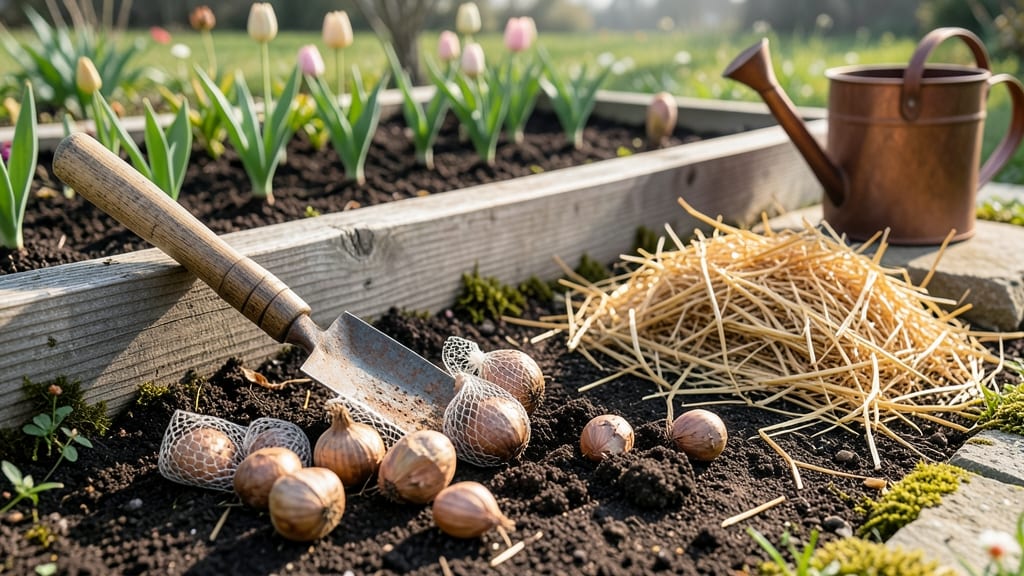
Planting tulips in Texas might seem tricky with our scorching summers and unpredictable winters, but timing is everything to beat the heat and get those vibrant blooms. Unlike cooler climates, Texas gardeners need to work with a narrow window—typically between October and December—to give bulbs time to root before the cold sets in.
The key is understanding your specific zone: North Texas (8a) has a longer growing season than South Texas (11), so adjust accordingly.
I’ve learned that heat-tolerant varieties like Darwin Hybrids or Fosteriana bulbs thrive better in our climate, but even they need the right timing to avoid wilting before they bloom.
Don’t wait until spring—tulips planted in Texas after January often struggle with heat stress before flowering. Instead, focus on fall planting when soil temperatures are cooler, and mulch heavily to protect bulbs from erratic freezes or droughts.
Ready to transform your Texas garden with reliable tulip blooms? Let’s dive into the exact steps, from soil prep to variety selection, so you can enjoy those 🌷 bursts of color come spring.
Best planting months for tulips in Texas: avoiding heat & frost risks
Texas’s extreme climate—scorching summers and unpredictable winters—makes tulip planting timing critical for success. Unlike cooler northern states, planting too early risks heat stress, while waiting too late can leave bulbs vulnerable to winter die-off. The ideal window is narrow but flexible with regional adjustments.
For most of Texas, fall planting (October–December) is the golden rule. This gives bulbs time to establish roots before winter dormancy. However, North Texas (USDA Zone 8a) can handle early October plantings, while South Texas (Zone 10a–11) may need to wait until December to avoid summer heat.
Here’s the breakdown: Central Texas (Zone 8b–9a) gardeners should aim for mid-October to November, balancing frost risk and root establishment. Microclimates matter—shaded areas or elevated spots may tolerate earlier plantings, while low-lying zones need delayed timing.
🌷
| Texas Region | USDA Zone | Best Planting Window | Key Consideration |
|---|---|---|---|
| North Texas | 8a | Early October–November | First frost: November 15 |
| Central Texas | 8b–9a | Mid-October–December | Soil stays warm longer |
| South Texas | 10a–11 | December–Early January | Avoid summer heat entirely |
| All Regions | — | January–Early February | Backup window for missed plantings |
If you miss the fall window, don’t panic—January–early February is a secondary planting time for Texas. This works best for heat-tolerant varieties like Darwin Hybrids or Fosteriana tulips, which handle warmer soils better than traditional types.
For container gardening, extend your window by planting in late winter (February) and moving pots to shaded areas during summer. Just ensure pots have drainage holes to prevent rot in Texas’s intense heat.
Pro tip: Use a soil thermometer to check for 60°F soil temps—ideal for root growth. If temps rise above 75°F, delay planting until cooler evenings arrive.
🌡️
Remember, Texas’s unpredictable winters mean some years may see milder frosts or even no frost at all. In these cases, focus on mulching deeply (4–6 inches) with straw or pine needles to insulate bulbs. This mimics natural winter conditions and prevents premature sprouting.
Finally, avoid planting in summer—even heat-tolerant tulips struggle when soil temps exceed 80°F. Instead, use the off-season to prep soil with compost and plan your fall planting schedule.
Texas-specific soil prep & mulching secrets for bulb success
Texas soils—whether heavy clay in East Texas or sandy loam in West Texas—pose unique challenges for tulip bulbs. The key to success lies in amending soil to improve drainage and moisture retention before planting.
Start by testing your soil’s pH level (aim for 6.0–7.0) and loosening compacted areas with a garden fork to encourage root growth.
In clay-heavy soils, mix in organic matter like compost or aged manure to break up density. For sandy soils, blend in peat moss or coconut coir to retain moisture. A 3-inch layer of compost worked into the top 6–8 inches of soil provides essential nutrients while improving structure.
Mulching is non-negotiable in Texas’s extreme temperatures. Apply a 3-inch layer of straw or pine straw after planting to insulate bulbs from winter freezes and summer heat.
Organic mulches like shredded leaves also slowly decompose, enriching soil over time. In South Texas (Zones 9–11), use light-colored mulch to reflect heat and prevent bulb rot.
For winter protection, add an extra 2-inch layer of mulch after the first frost. This acts as a thermal blanket, shielding bulbs from freeze-thaw cycles that can damage emerging shoots.
In North Texas (Zones 7–8), where winters are colder, consider a lightweight row cover over mulched beds during hard freezes.
Water deeply once after planting to settle soil around bulbs, then reduce watering to once every 2–3 weeks unless drought persists. Overwatering in summer can cause bulbs to rot, while underwatering stresses them during root establishment.
A drip irrigation system set to shallow depths (1–2 inches) is ideal for consistent moisture without soggy soil.
With these Texas-specific adjustments, your tulips will thrive despite the state’s harsh climate. The secret? Prep soil like a pro, mulch like it’s February, and let nature do the rest. Your spring blooms will thank you! 🌷