
Plants
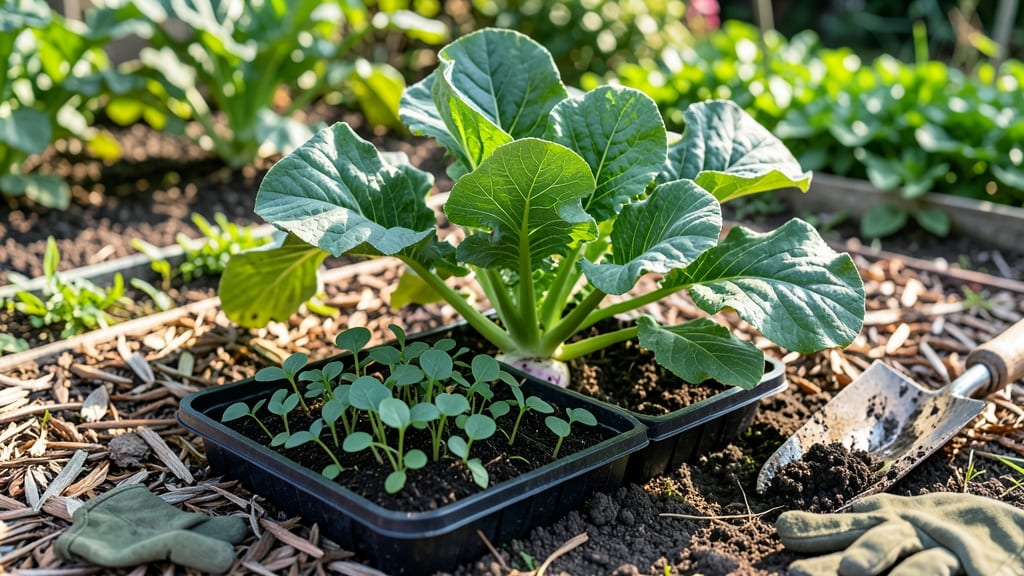
Planting turnip greens in Tennessee at the wrong time can turn your garden into a bitter disappointment instead of a nutrient-packed harvest. The key to growing tender, flavorful 🥬 lies in understanding the state's unique climate zones—where a single week can mean the difference between thriving greens and struggling plants.
Most gardeners in Tennessee's 6a-7b zones get it right by planting in early spring (March-April) or late summer (August-September), but timing varies by region.
Whether you're in East Tennessee's cooler valleys or West Tennessee's warmer plains, knowing when to start seeds or transplants ensures you avoid the heat that makes turnip greens bolt prematurely.
I'll break down the exact planting windows by month, including heat-tolerant varieties that perform best in Tennessee's summer heat. You'll discover how to stretch your harvest from spring through fall, even in the most challenging conditions.
Ready to grow turnip greens that taste as good as they look? Let's dive into the perfect planting schedule tailored for your Tennessee garden.
Best months to plant turnip greens in Tennessee (by region)
Timing your turnip greens correctly in Tennessee means the difference between a bountiful harvest of tender leaves and a disappointing crop of tough, bitter greens. Since Tennessee spans USDA Zones 6a-7b, planting windows vary slightly between the state’s East, Middle, and West regions.
Let’s break down the exact weeks to plant for both spring and fall harvests, accounting for microclimates and frost dates.
Spring is the most popular time to plant turnip greens, but Tennessee’s heat-tolerant varieties also allow for successful fall and even late-summer plantings. The key is to avoid planting when daytime temperatures exceed 85°F (29°C), which causes bolting (premature flowering) and bitter flavors.
For East Tennessee, aim for late February to early April, while Middle and West Tennessee gardeners should start 2-3 weeks later.
Fall plantings are equally important for extending your harvest into winter. In Tennessee, late summer to early fall (August through September) is ideal. For East Tennessee, start by mid-August, while Middle and West Tennessee can wait until early to mid-September to avoid summer heat stress.
Always plant 6-8 weeks before the first frost, which typically hits mid-November in East Tennessee and late November in West Tennessee.
Here’s a detailed comparison of planting windows by region, including frost dates and ideal varieties for each season:
For East Tennessee, where winters are slightly cooler, you can even push spring plantings into early May for a late-summer harvest. However, avoid planting after May 15, as the heat will cause the greens to bolt quickly.
In West Tennessee, where summers are hotter, focus on fall plantings and use shade cloth if attempting summer growth.
Succession planting is another Tennessee gardener’s secret weapon. By sowing new seeds every 2 weeks during the ideal windows, you can ensure a continuous harvest from spring through fall.
For example, in Middle Tennessee, start with your first batch in early March, then follow up with plantings in mid-March, late March, and early April for staggered maturity.
Always prepare your soil before planting by amending it with compost or well-rotted manure to achieve a pH of 6.0–6.8. Turnip greens prefer loamy, well-draining soil, so avoid heavy clay soils unless amended.
After planting, keep the soil consistently moist but not waterlogged, especially during dry spells in late spring and early summer.
Pro tip: Use drip irrigation or soaker hoses to deliver water directly to the roots, reducing evaporation and fungal risks. This method is especially effective in West Tennessee’s drier microclimates, where water conservation is key.
Finally, remember that turnip greens are cold-hardy and can tolerate light frosts, making them perfect for Tennessee’s fall and winter gardens. With the right timing and care, you’ll enjoy fresh, homegrown greens for nearly half the year!
Best months to plant turnip greens in Tennessee (by region)
Tennessee’s diverse climate—from the cooler East to the warmer West—means your turnip greens planting schedule should adapt to local frost dates.
In East Tennessee (USDA Zone 6a), aim for late February to early March for spring plantings, while West Tennessee (Zone 7b) gardeners can start as early as mid-February. Fall plantings should begin 6-8 weeks before your first frost, typically late August to mid-September across the state.
For heat-tolerant varieties like 'Southern Giant Curled,' extend your planting window by 2-3 weeks later in spring or 2 weeks earlier in fall. These varieties handle Tennessee’s summer heat better but still bolt faster in 90°F+ temperatures.
Always check your local frost-free dates—East Tennessee’s last frost averages March 15, while West Tennessee’s can be as late as March 22.
🌱 Turnip Greens Planting Windows by Tennessee Region
| Region | USDA Zone | Spring Planting | Fall Planting | Heat-Tolerant Adjustment |
|---|---|---|---|---|
| East TN | 6a | Late Feb–Early Mar | Late Aug–Mid Sep | +2 weeks spring |
| Middle TN | 6b-7a | Mid-Feb–Early Mar | Early Aug–Late Sep | +1-2 weeks spring |
| West TN | 7b | Mid-Feb–Late Mar | Early Aug–Early Sep | +1 week spring |
Use succession planting every 2-3 weeks after your initial date to ensure a steady harvest. For example, if you plant your first batch in March, follow up with April 10 and April 25 for continuous greens through May-June.
In fall, stagger plantings from August 15 to September 15** to extend harvests until November’s first frost.
Tennessee’s humidity and summer heat can stress turnip greens, so prioritize morning watering and afternoon shade (use row covers or shade cloth). If planting in July-August, opt for shade-tolerant varieties like 'Tokyo Cross' and plant in partial shade to prevent bolting.
Mulch with straw or shredded leaves to retain moisture and cool roots during heatwaves.
Test your soil’s pH (6.0–6.8) before planting—Tennessee’s clay soils often need compost or lime to improve drainage. Amend beds with aged manure or worm castings for nutrient-rich soil.
Plant seeds ½ inch deep, 1 inch apart, and thin seedlings to 6 inches apart once they’re 2 inches tall. This spacing prevents overcrowding, which leads to disease and poor air circulation.
For container gardening, use 5-gallon pots with drainage holes and plant 3-4 seeds per container. Containers warm up faster in spring, so start them 3-4 weeks earlier than in-ground plantings. Move pots to shadier spots during peak afternoon heat to protect greens from wilting.