
Vegetables
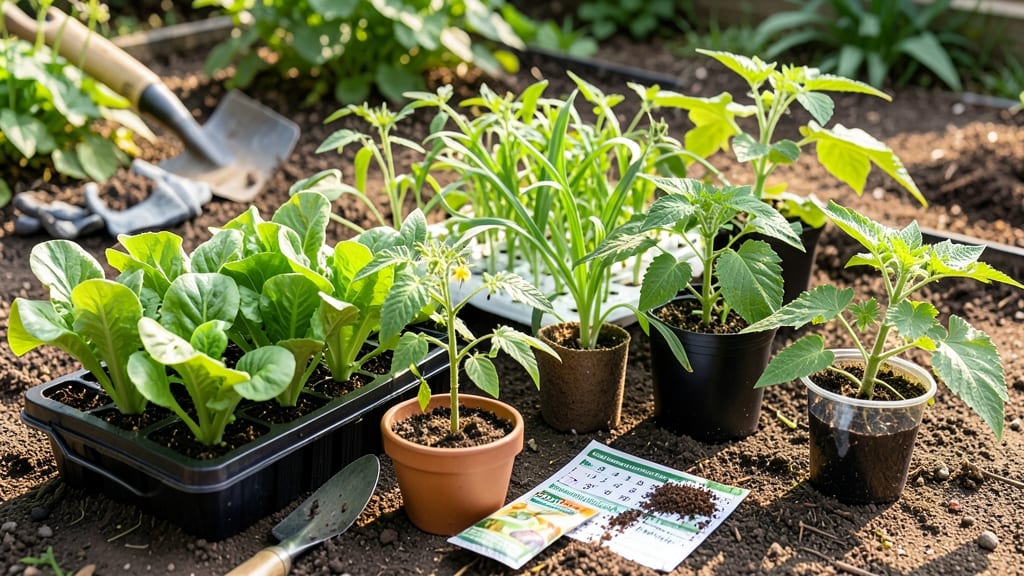
Planting vegetables in Oklahoma isn’t just about grabbing seeds and sticking them in the dirt—it’s about outsmarting the state’s wild swings from frost to 100-degree heat. Get the timing wrong, and your lettuce bolts into bitter flowers before you even taste it, or your tomatoes wilt under early September freezes. But nail the schedule, and you’ll enjoy crisp salads in May, juicy tomatoes in August, and maybe even a second harvest of greens before winter sets in.
Oklahoma’s USDA Zones 6b through 8a mean your neighbors just 100 miles away might have completely different planting windows.
Northern gardeners in Zone 6b need to rush cool-season crops like peas and spinach into the ground by early April, while Zone 8a gardeners in the south can stretch their growing season well into October. The key?
Knowing your last frost date—and when to cheat the system with row covers or succession planting.
I’ve grown more than my share of sad, stunted veggies (and a few winners, too), and what I’ve learned is that Oklahoma’s climate demands flexibility.
You’ll discover exactly when to plant everything from broccoli to peppers, how to extend your season with simple tricks, and which mistakes even experienced gardeners make—so you can skip the trial-and-error and head straight to a harvest that puts your neighbors’ to shame.
Ready to turn your Oklahoma garden from a guessing game into a reliable harvest machine? Let’s break down the exact months to plant, what to watch for, and how to work with the weather—not against it.
Oklahoma planting calendar by vegetable type: exact months to avoid bolting and freeze damage
Oklahoma’s USDA Zones 6b–8a create a tricky balance—cool springs, brutal summers, and unpredictable fall freezes. The key to success? Planting at the right time for each vegetable type to avoid bolting (bitter greens) or freeze damage (wilted tomatoes).
I’ve broken it down by crop, using average last frost dates (March 15–April 15 in most areas) and first frost dates (October 15–November 15).
For cool-season crops like lettuce, spinach, and peas, timing is critical—they’ll bolt (go to seed) if exposed to consistent temps above 75°F. Meanwhile, warm-season crops like tomatoes and peppers need soil temps above 60°F to thrive.
Southern Oklahoma (Zone 8) can extend growing seasons, but northern areas (Zone 6b) face shorter windows.
Use this month-by-month guide to align your planting with Oklahoma’s climate quirks. Pro tip: Check your local Cooperative Extension Service for hyper-local frost data—it varies even within the state!
| Vegetable Type | Ideal Planting Months | Soil Temp Requirement | Key Risks |
|---|---|---|---|
| Cool-Season Crops | March–April (spring) or August–September (fall) | 40–60°F | Bolting (heat stress), frost damage |
| Examples: Lettuce, Spinach, Peas, Broccoli | Avoid planting after April 30 (spring) or before September 15 (fall) | Use row covers for early/late plantings | ✅ Best in Zone 6b–7a |
| Warm-Season Crops | May–June (after last frost) | 60–70°F (minimum) | Slow growth in cool soil, blossom drop |
| Examples: Tomatoes, Peppers, Squash, Beans | Wait until soil reaches 60°F (use a thermometer!) | Black plastic mulch warms soil faster | ✅ Zone 8 can plant 1 month earlier |
| Heat-Tolerant Varieties | June–July (for fall harvest) | 70–85°F | Drought stress, pest pressure |
| Examples: Okra, Sweet Potatoes, Black-Eyed Peas | Perfect for Zone 8’s extended season | Mulch heavily to retain moisture | ✅ Harvest until first frost |
For cool-season crops, I recommend starting seeds indoors 6–8 weeks before your last frost date (e.g., late January for Zone 6b, late February for Zone 8). Harden off seedlings before transplanting outdoors—Oklahoma’s spring temperature swings can shock tender greens.
Use bolt-resistant varieties like ‘Black Seeded Simpson’ lettuce or ‘Florence’ broccoli for longer harvest windows.
Warm-season crops need patience. In Zone 6b, don’t rush tomatoes into the ground before May 15—cool soil slows growth and invites disease. In Zone 8, you can plant peppers in April if you use black plastic mulch to warm the soil.
Always water deeply after transplanting to reduce shock, especially in Oklahoma’s dry winds.
Pro move: Use succession planting for crops like lettuce and beans. Sow every 2–3 weeks from spring to fall to ensure a steady supply. For example, plant bush beans in May, July, and September for
How to extend your Oklahoma growing season: succession planting and cold frames for year-round harvests
Oklahoma’s short cool seasons and brutal summer heat can leave gardeners feeling like their harvests are cut short. But with smart strategies, you can push your planting windows to enjoy fresh veggies nearly year-round.
The key? Succession planting, season extenders, and microclimate tricks that trick Mother Nature into cooperating.
Start by understanding your local frost dates. Northern Oklahoma (Zone 6b) typically sees its last frost around April 15, while southern Oklahoma (Zone 8a) can push that to May 1.
For fall, first frosts arrive between October 15 (north) and November 15 (south). These dates are your boundaries—but don’t let them limit you.
- Succession Planting: Sow lettuce, carrots, and radishes every 2 weeks from March to August for continuous harvests.
- Row Covers: Use lightweight fabric to protect seedlings from late spring frosts or extend fall harvests by 4-6 weeks.
- Cold Frames: Add 2-4 weeks to your growing season by trapping heat with clear plastic or glass covers.
For cool-season crops like kale, spinach, and broccoli, start seeds indoors 8-10 weeks before your last frost. Then, transplant hardened-off seedlings outdoors as soon as soil temps hit 40°F.
Use black plastic mulch to warm the soil faster in spring or straw mulch to insulate roots in fall. This simple trick can give you 2-3 extra weeks of growing time.
Don’t overlook microclimates—your garden isn’t uniform! South-facing slopes warm up faster in spring, while shaded areas stay cooler in summer. Plant heat-sensitive crops like cabbage or peas in these cooler spots during peak summer.
Conversely, use sunny microclimates to grow tomatoes or peppers earlier in spring or later in fall.
For warm-season crops, focus on succession planting every 2-3 weeks from May through July. This ensures a steady supply of bush beans, zucchini, and okra, which thrive in Oklahoma’s heat.
Pair this with drip irrigation to keep roots cool and prevent bolting. Even in Zone 8’s longer growing season, a late summer heatwave can stress plants—so always have backup row covers ready.
Finally, don’t dismiss fall planting! After your first frost, cover tender crops like lettuce or carrots with row covers or cold frames. These protect plants from light frosts (28-32°F) while they continue growing.
With the right setup, you can harvest spinach until December in southern Oklahoma—or even overwinter hardy greens like kale or Swiss chard.