
Plants
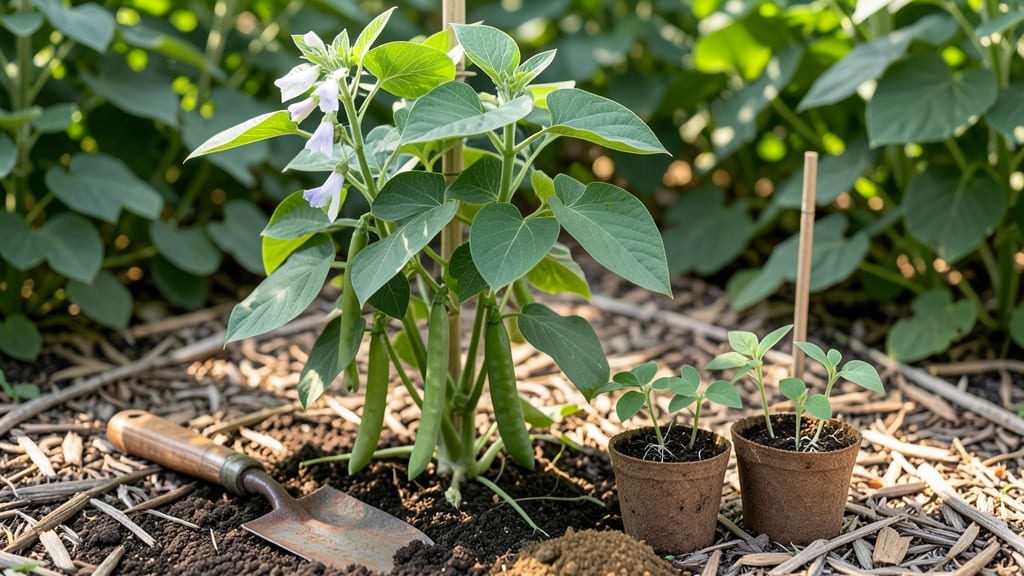
If you’ve ever planted bush beans 🌱 in Florida only to watch them bolt or wilt under the sun, you’re not alone—the timing is everything.
Unlike cooler climates, Florida’s year-round growing season means you can plant bush beans almost anytime, but hitting the sweet spot between heat and humidity is key to avoiding stress and maximizing your harvest.
The trick lies in avoiding Florida’s peak summer heat, which can stifle germination and trigger premature flowering. Instead, focus on early fall or late winter plantings, when temperatures are milder but still warm enough to encourage steady growth.
This approach ensures your beans thrive without the risk of bolting or stunted pods.
In this guide, I’ll break down the exact windows for planting bush beans in Florida’s 9a-11 zones, including heat-tolerant varieties that perform best in your climate.
You’ll also learn how to prepare your soil, space your plants, and care for them post-planting to guarantee a continuous harvest from 60-75 days after sowing.
Whether you’re a seasoned gardener or just starting, mastering these techniques will turn your bush bean patch into a reliable, low-stress source of fresh pods all year. Let’s get growing!
Florida’s optimal planting windows for bush beans: avoiding heat stress and bolting
Florida’s year-round growing season makes bush beans a versatile crop, but timing is everything. Unlike northern states, we don’t have to worry about frost, but heat stress and bolting (premature flowering) are real threats.
The key is planting when soil temperatures stay below 85°F but remain warm enough for germination (60°F+).
Most Florida gardeners focus on two primary windows: early fall and late winter. These periods offer cooler temperatures and lower humidity, reducing stress on young plants. However, with the right heat-tolerant varieties, you can also plant in late summer for a fall harvest.
Let’s break down the best planting windows by Florida’s microclimates. North Florida (Zones 8a-9a) has slightly cooler winters, while South Florida (Zones 10a-11) can plant almost year-round with shade adjustments.
Always check your local frost-free dates—even though Florida rarely sees frost, North Florida can dip near freezing in December.
Here’s the golden rule: Plant bush beans when daytime highs are 75-85°F and nighttime lows stay above 60°F. This balance prevents bolting while ensuring strong germination. For example, September-October is ideal for fall plantings, while February-March works for spring.
| Planting Window | Best Months | Soil Temp | Daytime Highs | Notes |
|---|---|---|---|---|
| Early Fall | August-September | 60-75°F | 80-85°F | Best for heat-tolerant varieties; avoid peak August heat. |
| Late Winter | February-March | 65-75°F | 70-80°F | Ideal for North Florida; South Florida can plant year-round. |
| Spring | April-May | 70-80°F | 85-90°F | Use shade cloth for young plants; risk of bolting increases. |
| Fall | October-November | 60-70°F | 75-85°F | Best harvest window; cooler temps extend pod production. |
For North Florida gardeners, focus on February-March and September-October plantings. These windows avoid the hottest summer months (June-August) when soil temperatures can exceed 90°F, causing poor germination and stunted growth.
In South Florida, you can plant almost year-round, but shade cloth becomes your best friend during summer months.
Pro tip: Use a soil thermometer to check temperatures before planting. Bush beans need soil that’s at least 60°F for germination, but avoid planting when temps exceed 85°F for more than a few hours daily.
If your soil is too hot, wait a week or two—your plants will thank you with stronger roots and higher yields.
Another strategy is succession planting. Instead of one big planting, sow seeds every 2-3 weeks during your chosen window. This ensures a continuous harvest and reduces the risk of bolting all plants at once.
For example, plant a batch in late August, another in early September, and a final batch in mid-September.
Don’t overlook container gardening for bush beans. Pots allow you to move plants to shadier spots during peak afternoon heat. Use 5-gallon containers with well-draining soil and place them in morning sun with afternoon shade. This works especially well for balconies or patios in urban areas.
Finally, remember that Florida’s humidity can encourage fungal diseases like powdery mildew. To combat this, space plants 4-6 inches apart for airflow and avoid overhead watering. Water at the base of plants in the morning to let foliage dry quickly—a simple habit that can double your harvest.
Florida’s optimal planting windows for bush beans: avoiding heat stress and bolting
Florida’s year-round growing season means bush beans can thrive almost anytime—but timing is everything. The key is avoiding peak summer heat (June-August), which causes bolting (premature flowering) or stunted growth.
Instead, focus on early fall, late summer, and winter plantings when temperatures are milder and soil stays warm enough for germination.
Bush beans germinate best in soil temperatures between 60°F and 90°F. In Florida’s USDA Zones 9a-11, this means starting seeds or transplants when daytime highs hover around 85°F-90°F but nights cool to 70°F or below.
This typically aligns with late summer (August-September) and winter (January-February), though microclimates vary.
For a continuous harvest, stagger plantings every 2-3 weeks. For example, sow seeds in early August for a fall harvest, then again in early October for a winter crop. In North Florida (Zones 8a-9a), where rare frosts can occur, plant after December 15 to avoid cold damage.
🌱 Florida Bush Bean Planting Timeline
| Season | Planting Window | Soil Temp | Days to Harvest |
|---|---|---|---|
| Late Summer | August-September | 60°F-85°F | 60-75 days |
| Fall | October-November | 65°F-80°F | 60-70 days |
| Winter | January-February | 70°F-85°F | 55-65 days |
| Spring | March-April | 75°F-90°F | 60-75 days |
⚠️ Note: Avoid planting in June-July—soil temps exceed 90°F, causing poor germination.
In South Florida (Zones 10a-11), where frost is rare, you can plant bush beans year-round with shade cloth during peak summer. For North Florida, prioritize fall and winter plantings to escape summer’s intensity. Always choose heat-tolerant varieties like 'Contender' or 'Blue Lake Bush' to improve success.
Before planting, amend soil with compost or aged manure to improve drainage and fertility. Bush beans thrive in well-draining, slightly acidic soil (pH 6.0-7.0). After sowing, maintain consistent moisture—especially in dry Florida summers
By aligning your plantings with Florida’s cooler seasons and using heat-resistant varieties, you’ll avoid bolting and maximize your bush bean harvest. Start small with 2-3 plantings to test what works best in your microclimate, then scale up for a continuous supply of fresh pods.