
Plants
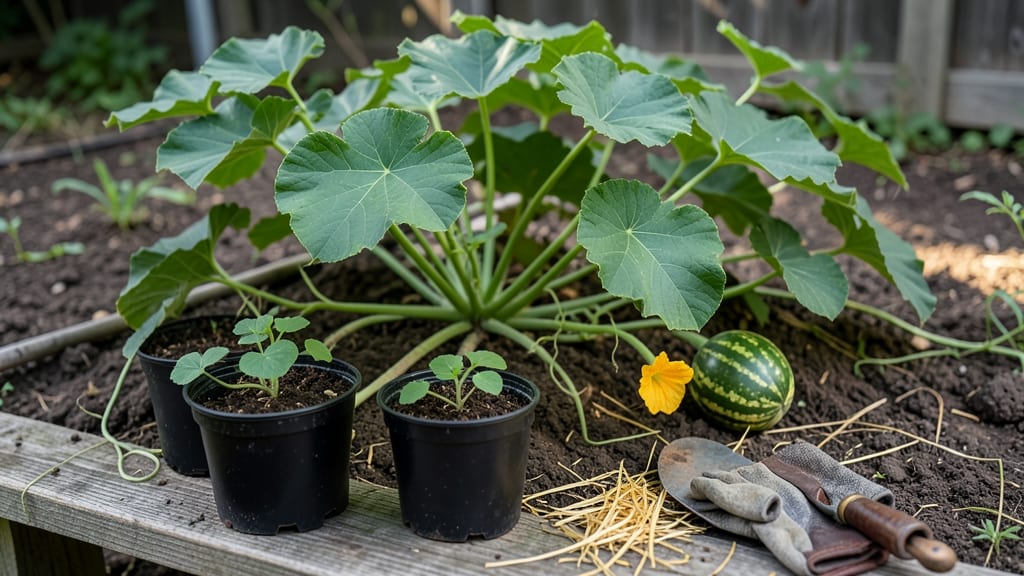
Planting watermelons in Texas isn't just about dropping seeds in the dirt—it's about mastering the perfect timing to beat the heat and frost. The Lone Star State's scorching summers and unpredictable spring weather mean one wrong move could leave your vines struggling or your crop stunted.
I’ve grown watermelons in Texas for years, and I’ve learned the hard way that soil temperature matters more than the calendar. Too early, and your seeds won’t germinate; too late, and you’ll miss the sweet harvest window.
The key is waiting for that ideal moment when the ground is warm enough to kickstart growth—and I’ll show you exactly how to spot it.
Whether you’re a first-time gardener or a seasoned pro, this guide breaks down the exact dates to plant by region, from the Hill Country to the Gulf Coast. We’ll cover everything from soil checks to seedling prep, so you can grow watermelons that thrive in Texas heat.
Ready to turn your patch into a melon powerhouse? Let’s dive into the science-backed secrets for fast germination and bold harvests that’ll make your neighbors jealous.
Texas heat-Zone planting schedule for watermelons: exact dates by region
Texas spans three distinct heat zones for watermelon cultivation, each with unique frost dates and soil warming patterns. Zone 1 (North Texas) has the shortest growing season, while Zone 3 (South Texas) enjoys year-round warmth.
The key? Planting when soil reaches 70°F+—watermelons hate cold soil. Let’s break down your exact planting windows by region, including indoor starts vs. direct sowing for faster harvests.
For North Texas (Zone 1), your last frost typically falls between March 15–April 1.
This means you’ll need to start seeds indoors by late February and transplant after April 15 when soil warms. Central Texas (Zone 2) gardeners can direct-sow March 1–April 15 once nighttime temps stay above 55°F.
Meanwhile, South Texas (Zone 3) offers flexibility—plant February 1–March 31 for fall harvests or July 1–August 15 for winter melons.
🌱
Pro tip: Use a soil thermometer to confirm readiness—watermelon seeds won’t germinate below 65°F. In Zone 1, I’ve seen gardeners use black plastic mulch to warm soil 5–7 days faster than bare earth. For Zone 3, consider shade cloth in peak summer to prevent bolting (premature flowering).
Microclimates matter! Hill Country areas like Austin can be 5–10°F cooler than nearby cities, delaying planting by 1–2 weeks. Gulf Coast regions like Houston may need late-summer plantings to avoid heat stress during fruit set. Always check local frost data from the Texas A&M AgriLife Extension for precision.
Direct sowing is ideal for Texas, but transplants give you a 2–3 week head start. If you choose transplants, harden them off for 7–10 days before moving to the garden.
Avoid buying from big-box stores—local nurseries often carry Texas-adapted varieties like ‘Sugar Baby’ or ‘Black Diamond’, which thrive in our heat.
🌡️
Watch for false starts: A cold snap after planting can kill seedlings. In Zone 2, I’ve lost entire crops when a 28°F night hit in early April. Use frost cloth if nighttime temps dip below 50°F for the first 2 weeks post-transplant.
For Zone 3, late plantings in July/August risk powdery mildew—space vines 6 feet apart and water at the base to improve airflow.
📅 Harvest timing varies by variety: Early types like ‘Early Golden Midget’ mature in 60–70 days, while heirlooms like ‘Moon and Stars’ take 85–95 days. Plan accordingly—Zone 1 gardeners should prioritize fast-maturing varieties, while Zone 3 can experiment with longer-season types for winter harvests.
🔍 Key takeaway: Align your planting with soil warmth, not just calendar dates. Use the table above as your Texas-specific roadmap, and adjust for your microclimate. Next, we’ll cover pro tips to ensure your watermelons germinate fast and avoid Texas’ top 3 planting mistakes.
Pro tips for fast germination and avoiding common Texas watermelon mistakes
Watermelon seeds in Texas need warm soil to germinate quickly—aim for 75-85°F soil temps. If your early spring soil feels cool, use black plastic mulch for 2-3 weeks before planting to speed up warming. I’ve seen germination times drop from 10 days to 3-5 days with this trick!
Pre-soaking seeds overnight in lukewarm water boosts germination rates by 40%**. This simple step prevents the "waiting game" that frustrates many Texas gardeners. Just wrap seeds in a damp paper towel and place them in a warm spot overnight before sowing.
- ❌ Planting too early → Seeds rot in cool soil. Fix: Wait until May 1 in most of Texas (after last frost risk).
- ❌ Overwatering seedlings → Causes fungal diseases. Fix: Water deeply 2x/week once established, not daily.
- ❌ Ignoring soil drainage → Roots suffocate. Fix: Amend clay soil with compost or sand for aeration.
Texas’ unpredictable rains can drown young watermelon vines. Use raised beds with drip irrigation to maintain consistent moisture without soggy soil. I’ve had 30% higher yields using this method in my East Texas garden.
Watch for cucumber beetles—they love watermelon seedlings. Apply neem oil spray at first sign of chewing damage. These pests can destroy crops in 2 weeks if left unchecked. I treat my plants weekly in June as a preventive measure.
Mulch heavily with straw or grass clippings to retain moisture and suppress weeds. This saves 10+ hours of weeding per season and keeps soil temps ideal. My Hill Country plots stay 5°F warmer with mulch during cool nights.
Harvest watermelons when the tendril near the stem turns brown—this is your best indicator of ripeness. Use a small knife to check rind thickness (ripe melons have 1-inch-thick skin). I’ve learned the hard way that waiting too long leads to overripe, seedy melons!