
Planting
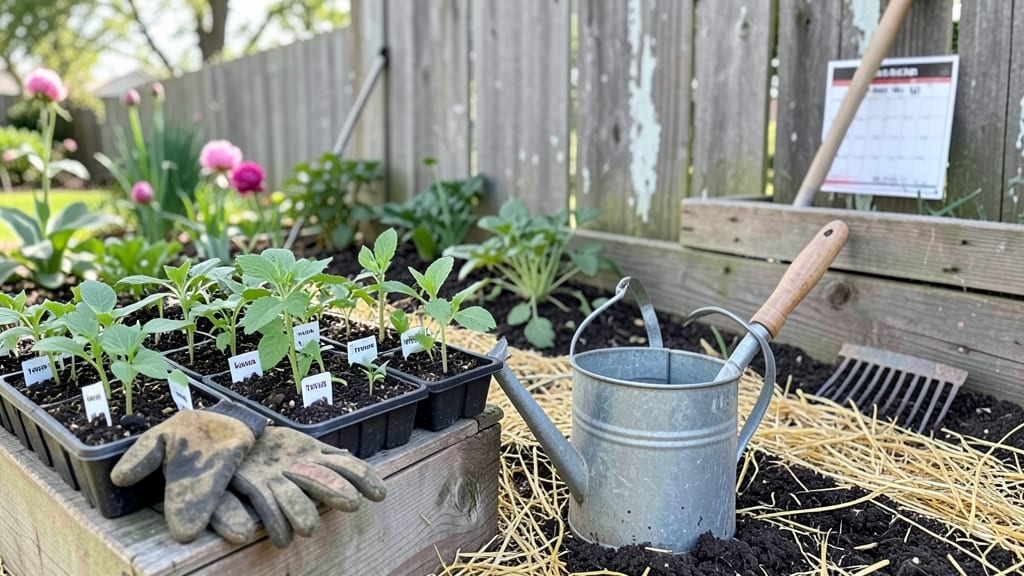
If you’ve ever wondered when is the best time to plant a garden in Michigan 🌱 and stared at your plants getting nipped by frost, you’re not alone.
The best time to plant in Michigan isn’t just about the calendar—it’s about outsmarting those unpredictable frost dates that can turn a thriving garden into a sad, wilted memory.
Michigan’s USDA Zones 5-6 mean your planting window can shift dramatically from the Upper Peninsula to the Lower Peninsula. What works in Detroit might fail in Traverse City, and vice versa.
But with the right timing—based on soil temperature, last frost dates, and even microclimates—you can turn those risks into a zero-frost success story.
I’ve dug into the data (and a few failed experiments) to break it down for you. Whether you’re sowing cool-season veggies in spring or warm-season favorites in summer, this guide will help you plant with confidence. No more guessing—just a clear, month-by-month calendar tailored to Michigan’s quirks.
Ready to grow a garden that actually survives the season? Let’s get started with the exact timing you need to beat the frost and harvest like a pro.
Michigan’s planting timeline by USDA Zone 5-6: last frost dates and ideal months for zero-frost success
Michigan’s USDA Zones 5-6 mean your planting window hinges on last frost dates that can vary by 1-2 weeks across regions. In Southern Michigan, average last frosts arrive by mid-May, while the Upper Peninsula often waits until late May or early June.
These dates separate cool-season crops (like spinach and peas) from warm-season plants (tomatoes, peppers) that need soil temperatures above 60°F.
To avoid frost damage, I always check Michigan State University’s frost date maps and adjust my schedule. For example, cold-hardy kale can handle light frosts, but tomato seedlings will bolt if planted too early. The key is aligning your seed starting with these dates—whether indoors or outdoors.
Here’s how I break down Michigan’s planting seasons for maximum success:
For warm-season crops, I never plant outdoors before Memorial Day in most of Michigan—even if seedlings look strong. The soil temperature is the real indicator: use a soil thermometer to confirm it’s above 60°F for tomatoes or 70°F for peppers.
In Zone 5 areas like Traverse City, I often wait until June 1 to be safe.
Fall planting is my secret to a longer harvest. By sowing cool-season crops like spinach or radishes in late August, I extend my growing season until first frost (usually mid-October in Southern Michigan).
Just remember: first frost dates can shift 1-2 weeks yearly, so I always have row covers ready.
Pro tip: Use Michigan State University’s interactive frost map to pinpoint your exact last frost date. For example, Detroit’s average last frost is May 15, while Marquette’s is May 29. This 14-day difference means adjusting your planting schedule by nearly a month!
If you’re new to Michigan gardening, start with cold-hardy crops like peas or lettuce in early spring—they’re forgiving if frost sneaks in. Save tomatoes and peppers for after Memorial Day, and always have frost cloth on hand for late-May surprises.
The earlier you plan, the more harvests you’ll enjoy.
For a visual planting calendar, bookmark the MSU Garden Guide or use their frost date tool. It’s my go-to for avoiding frost damage and maximizing my garden’s potential.
How to adjust planting times for Michigan’s microclimates: northern vs southern regions
Michigan’s diverse geography means frost dates and planting windows can vary dramatically—even within 100 miles. The Upper Peninsula often faces 2-3 weeks later last frosts than Southwest Michigan, while Metro Detroit sits in the middle. Understanding these differences helps you time plantings perfectly for your specific location.
For example, peas and spinach can thrive in UP gardens by mid-April, while tomatoes and peppers may need to wait until late May or June in colder zones. Meanwhile, Southwest Michigan gardeners might start warm-season crops as early as April 15 in sheltered microclimates.
These regional shifts can mean the difference between a bountiful harvest and a failed crop.
🌱 Michigan Microclimate Planting Comparison
| Region | Last Frost Date (Avg.) | Cool-Season Start | Warm-Season Start | Key Adjustments |
|---|---|---|---|---|
| Upper Peninsula | May 10–15 | Mid-April | Late May–June | Use row covers; plant cold-hardy varieties like kale and broccoli early. |
| Metro Detroit | April 25–May 5 | Late March–Early April | Mid-April–May | Extend season with black plastic mulch to warm soil faster. |
| Southwest Michigan | April 15–20 | Early April | Early–Mid April | Start tomatoes indoors by March 1 for earlier transplants. |
Soil temperature plays a critical role in adjusting planting times. In colder zones, wait until the soil reaches at least 50°F for warm-season crops like peppers and eggplants. Use a soil thermometer to avoid planting too early—cool soil can stunt root growth.
In warmer southern regions, you can push the envelope by 1-2 weeks earlier for heat-loving plants.
Another trick is leveraging microclimates within your garden. A south-facing slope warms up faster than a north-facing bed, allowing you to plant 2-3 weeks earlier in those spots. Similarly, urban heat islands in cities like Detroit can create pockets where tomatoes thrive 10 days sooner than in rural areas.
Observe your yard’s sun exposure patterns and adjust accordingly.
For extended seasons, consider row covers or low tunnels to protect young plants. These tools can push your last frost date back by 2-4 weeks, letting you plant cucumbers or squash in early May even in UP gardens.
Just Finally, keep an eye on local frost alerts from the National Weather Service or Michigan State University Extension. Their forecasts can help you time plantings with precision, especially during high-risk weeks like late April or early October.
With these adjustments, you’ll maximize your garden’s potential no matter where in Michigan you garden. 🌱