
Plants
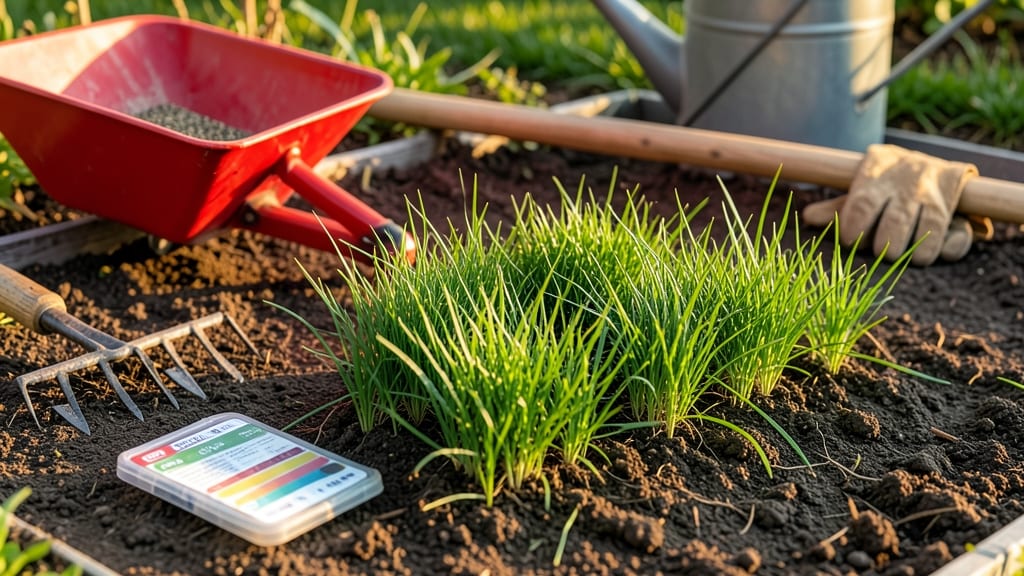
The best time to plant grass seed in California isn’t just about the calendar—it’s about beating the heat, avoiding drought stress, and working with your region’s unique climate. Whether you’re in coastal Zone 7 or inland Zone 10, planting too early or late can mean patchy growth, wasted seed, or even total failure. The sweet spot? Early fall or spring, when soil temps hover between 60-75°F and rainfall is reliable.
Here’s the catch: California’s microclimates throw a wrench into one-size-fits-all advice. Coastal areas like San Francisco thrive with September-October planting, while inland spots near Palm Springs need to wait until March-April to escape summer’s scorching sun. Skipping this step could leave your lawn struggling—or worse, dead before it even starts.
I’ve seen firsthand how a misjudged timeline turns a lush green lawn into a brown, crunchy mess. But don’t worry—this guide breaks down the exact months, soil prep tricks, and watering hacks to give your 🌱 Grass Seed (Turfgrass) the fighting chance it deserves.
Let’s get your lawn off to the right start.
You’ll learn how to read your local frost dates, adjust for clay-heavy soils, and even salvage a late planting. By the end, you’ll know exactly when to grab that seed bag—and how to make it grow like a pro. Ready to transform your yard?
Best months to plant grass seed in California by climate Zone
California’s diverse climate zones mean there’s no single "best" time to plant grass seed—your location and grass type matter most. Coastal areas thrive with fall planting, while inland desert regions prefer spring. Let’s break it down by region to avoid failed germination or wasted seed.
In Northern California (USDA Zones 7-9), where winters are cooler and summers dry, September-October is ideal for cool-season grasses like Kentucky bluegrass or fescue. These months offer mild soil temps (60-75°F) and consistent rainfall, reducing stress on new seedlings.
For warm-season grasses like Bermuda or Zoysia, late April-early June works best when soil warms up.
Southern California’s USDA Zones 9-11 have a longer growing season, but timing shifts. Coastal cities like San Diego or Santa Barbara can plant August-September for cool-season grasses, while inland areas like Los Angeles or Riverside should aim for March-April to avoid summer drought.
Desert regions (e.g., Palm Springs) may even plant November for winter rains.
🌱
Why does soil temperature matter so much? Grass seeds need consistent moisture and warmth to germinate. Planting in summer (June-August) risks heat stress or dormancy, while winter planting (December-February) often fails due to frost or lack of sunlight.
Even in mild climates, late fall (November) can be risky if frost arrives early.
For cool-season grasses, aim to plant 6-8 weeks before first frost—this gives roots time to establish before winter dormancy. In Southern California’s Zone 10, where frost is rare, spring planting (March-April) aligns with natural rainfall patterns, reducing irrigation needs.
Always check your local frost dates (e.g., USDA Plant Hardiness Zone Map) for precise timing.
Pro tip: Use a soil thermometer to confirm temps are in the 60-75°F range before planting. If your soil runs cooler (e.g., shady areas or high elevations), delay planting until temps rise.
Conversely, if your area heats up quickly (e.g., desert or urban heat islands), plant earlier in late winter to avoid summer stress.
💧
Once you’ve nailed the planting window, success hinges on post-planting care. Water lightly but daily for the first 2-3 weeks to keep soil moist (not soggy), then taper to 2-3 times weekly.
Avoid walking on new grass until it’s 2-3 inches tall—this prevents root damage and uneven growth. In drought-prone areas, consider drought-resistant varieties like Tall Fescue or Buffalo Grass to reduce water needs.
Finally, fertilize lightly 4-6 weeks after germination to boost root growth. Use a balanced fertilizer (16-4-8) for cool-season grasses or a low-nitrogen option (10-0-10) for warm-season types. Over-fertilizing can burn tender seedlings, so always follow package instructions.
☀️
Best months to plant grass seed in California by climate Zone
California’s diverse climates mean the best planting months vary dramatically from cool coastal areas to hot inland valleys. In Northern California (USDA Zones 7-9), aim for late summer to early fall (August–October) when soil stays warm but evaporation slows.
Southern California’s milder winters (Zones 9-11) favor spring planting (March–May) to avoid summer drought stress.
Coastal regions like San Francisco and Santa Barbara thrive with fall planting (September–October), while desert areas (e.g., Palm Springs) need early spring (February–March) to escape extreme heat. Always check soil temperatures—ideal range is 60–75°F for germination.
🌱
For cool-season grasses (e.g., Tall Fescue, Kentucky Bluegrass), fall planting is critical—they establish roots before winter. Warm-season grasses (e.g., Bermuda, Zoysia) prefer spring to avoid summer dormancy. Always test soil pH (ideal: 6.0–7.0) before planting.
In high-elevation areas (e.g., Sierra Nevada), delay until after the last frost (typically May–June) to prevent cold damage. Use a soil thermometer to confirm 60°F+ depths—this ensures consistent germination across California’s varied zones.
🌿
Pro tip: Mulch lightly with straw after planting to retain moisture without smothering seeds. In drought-prone areas, consider hydroseeding for faster establishment. Adjust watering based on local rainfall forecasts—overwatering can drown seeds just as drought can dry them out.