
Plants
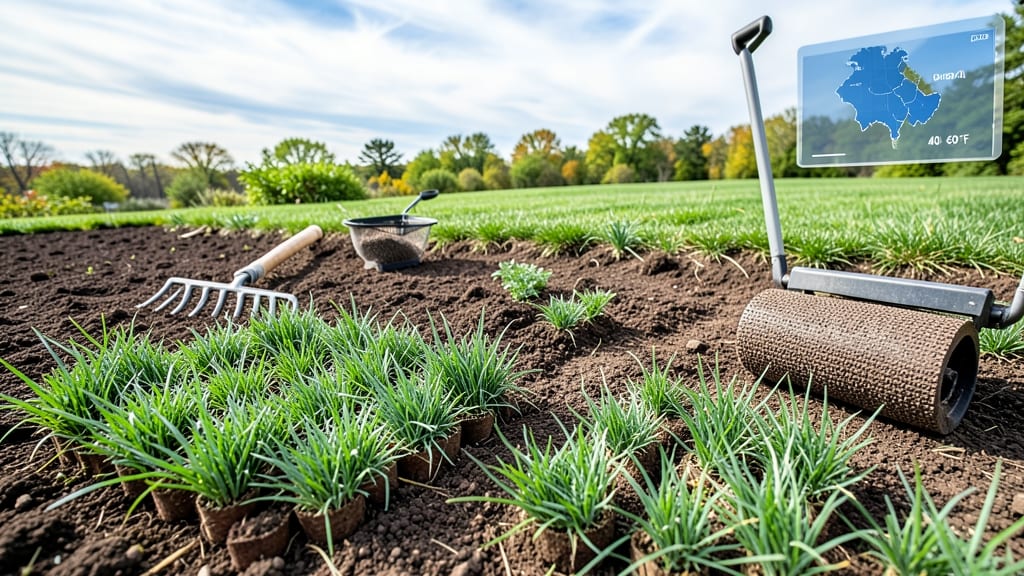
Michigan grass planting deadlines: spring vs fall timeline by USDA Zone
Michigan’s USDA Zones 4b, 5a, and 6a create distinct planting windows for grass—cool-season varieties like Kentucky bluegrass and tall fescue thrive when planted in early spring or fall, while warm-season grasses (like Bermuda or zoysia) need a shorter summer window.
Missing these deadlines can lead to slow germination, weed invasion, or frost damage.
For most of Michigan, the ideal planting window spans from mid-April to early May (spring) and mid-September to early October (fall). However, northern regions (Zone 4b) face earlier frost risks, while southern areas (Zone 6a) can extend planting slightly later. Let’s break down the exact deadlines by zone and season.
| Zone | Spring Deadline | Fall Deadline | Soil Temp Threshold | Notes |
|---|---|---|---|---|
| 4b (Northern MI) | April 15–May 1 | September 1–15 | 50°F+ | Shortest window; frost risk after May 15. |
| 5a (Central MI) | April 1–May 15 | September 15–October 1 | 50°F+ | Balanced window; avoid late May heat stress. |
| 6a (Southern MI) | March 15–May 1 | September 1–October 15 | 50°F+ | Longest window; can plant Bermuda grass in late May. |
Spring planting should occur 4–6 weeks before your last frost date to allow roots to establish before summer heat. For example, in Zone 5a, aim for April 1–May 15—planting after May 15 risks heat stress and dormancy before roots settle.
Fall is often the best time to plant grass in Michigan because cooler temps and consistent moisture help roots grow without summer competition. Plant 6–8 weeks before the first frost (typically by October 1 in most zones) to ensure roots harden before winter.
Southern Michigan (Zone 6a) can push this to October 15.
Warm-season grasses like Bermuda or zoysia are exceptions—they need soil temps above 65°F and should be planted in late spring (May–June) in southern Michigan. These grasses go dormant in winter, so they’re not ideal for northern zones.
Pro tip: Use a soil thermometer to confirm temps are 50°F+ before planting—cool soil delays germination. If temps drop below 40°F after planting, cover seeds with frost cloth until they sprout.
Missed the window? Don’t panic—overlapping techniques (like staggered planting or cold frames) can extend your season. We’ll cover those strategies in the next section.
🌱
5 Critical signs you’re planting grass at the wrong time in Michigan
Planting grass outside Michigan’s ideal window often leads to thin patches, slow germination, or even complete failure. Even experienced gardeners can misjudge timing, especially with Michigan’s unpredictable spring frosts and early fall freezes. Here’s how to spot the warning signs before it’s too late.
First, watch the soil temperature. Grass seeds need soil that’s at least 50°F for cool-season varieties like Kentucky bluegrass or fescue. If your soil is still cold (test with a soil thermometer), seeds will sit dormant or rot. Yellowing grass or slow growth after planting?
That’s your first red flag—you may have planted too early when soil temps were still too low.
Next, check the weather forecast. If a hard frost is predicted within 7-10 days of planting, your new grass won’t have time to establish roots. Michigan’s late spring frosts (even in May) can devastate young seedlings. Use the National Weather Service’s frost predictions as your guide—don’t gamble with timing.
Another clue? Weeds sprouting faster than grass. If your lawn bed is already overrun with dandelions or crabgrass by the time you plant, you’ve likely missed the optimal window. Weeds thrive in disturbed soil, and they’ll outcompete your grass if you’re too late.
Listen to your grass. If newly planted seeds aren’t sprouting within 10-14 days (for cool-season grasses) or show brown, crispy patches, you may have planted during a heatwave or drought.
Warm-season grasses like Bermuda or zoysia need warmer soil (60°F+) and consistent moisture, but even they struggle if planted during Michigan’s sweltering July heat.
Finally, check your soil moisture. If the top 1-2 inches of soil dry out too quickly after watering, your grass seeds will dry out before germinating.
This is common in sandy soils or during dry spells in late spring. Overwatering is just as bad—it can wash seeds away or cause fungal diseases like damping-off. Aim for consistent moisture, not soggy soil.
🌱
- 1. Soil temperature below 50°F 1
- 2. Hard frost predicted within 7-10 days 2
- 3. Weeds sprouting faster than grass 3
- 4. No germination after 14 days 4
- 5. Soil stays too dry or soggy 5
If you spot any of these signs, pause planting and reassess. Waiting an extra week for ideal conditions can save you months of frustration and hundreds of dollars in replanting costs.
For Michigan gardeners, fall planting (late August to mid-October) often yields better results than spring because the soil stays warm longer, and cool nights reduce stress on young grass.
Pro tip: Use a soil thermometer and check the Michigan State University Extension’s frost date maps before planting. When in doubt, wait—your lawn will thank you.
✅