
Plants
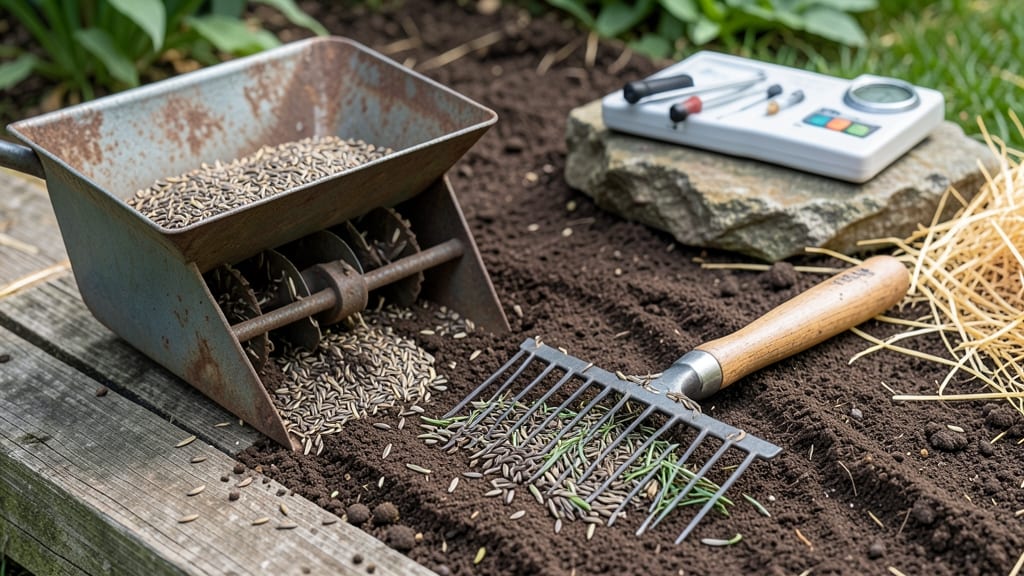
Timing your grass seed planting in North Carolina can mean the difference between a lush, green lawn and a frustrating, patchy mess. The key isn’t just picking a month—it’s understanding how soil temperatures, rainfall patterns, and even your local microclimate play together to create the perfect window.
If you’ve ever planted grass only to watch it struggle through summer heat or freeze before taking root, you’re not alone. The best time to plant 🌱 grass in NC actually shifts based on whether you’re in the Coastal Plain, Piedmont, or Mountains.
For most of the state, early fall (August-September) is your golden ticket—soil stays warm enough for germination but cools down just enough to avoid stress.
But here’s the catch: warm-season grasses like Bermuda and Zoysia thrive when soil hits 65–75°F, while cool-season types like Kentucky Bluegrass need 55–65°F. I’ll break down exactly how to match your grass type to NC’s climate zones so you’re planting at peak performance—not guessing.
Ready to skip the trial-and-error? Let’s dive into the fastest, most reliable way to time your planting for a lawn that looks like it belongs in a postcard. Your future self (and your lawnmower) will thank you.
North Carolina’s ideal grass seed planting window by soil temperature (not just months)
Forget relying solely on calendar months—soil temperature is the real determinant for successful grass seed germination in North Carolina. Cool-season grasses like tall fescue and Kentucky bluegrass thrive when soil temps hover between 55–65°F, while warm-season varieties such as Bermuda and Zoysia prefer 65–75°F.
These ranges align with NC’s climate zones, shifting planting windows by 2–4 weeks across regions.
In the Coastal Plain (Zone 8a–8b), where winters are milder, you can plant cool-season grasses as early as late February and warm-season grasses by mid-April.
Meanwhile, in the Mountains (Zone 6a–7a), frost risks delay cool-season planting until mid-April, and warm-season grasses should wait until late May.
Here’s the golden rule: Plant cool-season grasses 4–6 weeks before the first expected frost (typically mid-October in most zones) and warm-season grasses 2–3 weeks after the last frost (mid-April in the Piedmont). This timing ensures seeds germinate in ideal conditions without stress from extreme heat or cold.
🌱
| Grass Type | Soil Temp Range (°F) | Best Planting Window (NC Zones) | Key Consideration |
|---|---|---|---|
| Cool-Season (Tall Fescue, Bluegrass) | 55–65°F | Early Spring (March–April) or Early Fall (August–September) | Avoid frost; soil must be workable |
| Warm-Season (Bermuda, Zoysia) | 65–75°F | Late Spring (May–June) | Wait until daytime highs exceed 70°F |
| Transition Zone (Centipede, St. Augustine) | 60–70°F | April–May or August–September | Monitor soil temps; adapt to microclimates |
To check your soil temperature, use a soil thermometer (insert 2–4 inches deep) or rely on local USDA Plant Hardiness Zone maps.
For example, Zone 7b (common in the Piedmont) has a last frost date of March 15, so aim to plant cool-season grasses by late February for a head start. In Zone 8a (Coastal), you can push planting to mid-January if soil temps stay above 55°F.
Pro tip: If you’re in a transition zone (like Raleigh or Asheville), consider overseeding warm-season grasses with cool-season varieties in late September for year-round coverage. This hybrid approach leverages NC’s mild winters and hot summers to keep your lawn green all year.
Another critical factor is daytime highs. Warm-season grasses struggle if daytime temps exceed 90°F during germination, while cool-season grasses may bolt (produce seeds prematurely) if daytime temps rise above 80°F before establishment. Use a shade cloth or light mulch to protect seedlings during heatwaves.
For shade-tolerant varieties like fine fescue, adjust your timing by 1–2 weeks later than full-sun grasses. These types germinate slower in cooler conditions, so wait until soil temps hit 60°F consistently. In shaded areas, focus on early fall planting (September) to avoid summer heat stress.
Finally, don’t ignore microclimates. A south-facing slope in the Mountains may warm up 2–3 weeks earlier than a north-facing yard in the Coastal Plain. Test your soil in multiple spots—especially if your lawn has partial shade or wind exposure—to refine your planting schedule.
☀️
Rainfall and moisture requirements: how to time planting for 4–6 weeks of consistent water
North Carolina’s spring and fall planting seasons hinge on more than just soil temperature—consistent moisture is the silent hero of grass seed success. Without it, even the best-timed planting can fail.
In Coastal NC, summer humidity helps, but Piedmont and Mountain regions often need supplemental watering to bridge dry spells. Aim for 4–6 weeks of steady rainfall (or irrigation) after planting to keep seeds hydrated without drowning them.
Spring planting (March–April) is trickier because NC’s unpredictable showers can leave seeds high and dry. Check your local NOAA rainfall forecasts—if your area is forecasted for less than 1 inch of rain per week, be ready to water manually.
Fall planting (August–September) often aligns better with NC’s natural rainfall patterns, especially in the Coastal Plain, where hurricane season can provide unexpected watering.
Here’s how to test your soil moisture before planting: Dig a 6-inch hole, fill it with water, and let it drain. If the soil stays damp but not soggy for 24 hours, it’s ready.
If it’s bone-dry, water deeply 2–3 days before seeding to prep the soil. Overwatering at this stage can wash seeds away, so aim for consistent, even moisture—not a swamp.
Watch out for NC’s microclimates: Mountain regions like Asheville (Zone 7b) may experience flash droughts in late summer, while Coastal NC can suffer from excessive humidity leading to fungal diseases. If you’re in Zone 6a (western NC), plan for earlier watering due to faster soil drying.
Always have a backup irrigation plan—a 5-gallon watering can or drip irrigation system can save your lawn if Mother Nature lets you down.
Pro tip: Mulch lightly with straw or peat moss after planting to lock in moisture and protect seeds from NC’s strong winds. Just ¼ inch is enough—too much can smother sprouts.
This is especially critical in open fields or sloped lawns, where wind and erosion are common. Pair mulch with early morning watering for the best results.
Remember, overwatering is just as bad as underwatering. Grass seeds need oxygen to germinate, and soggy soil suffocates them. If your lawn feels muddy or spongy after watering, you’re overdoing it.
Adjust your watering schedule based on rainfall and soil type—sandy soils (common in Coastal NC) dry out faster than clay soils (typical in Piedmont).