
Plants
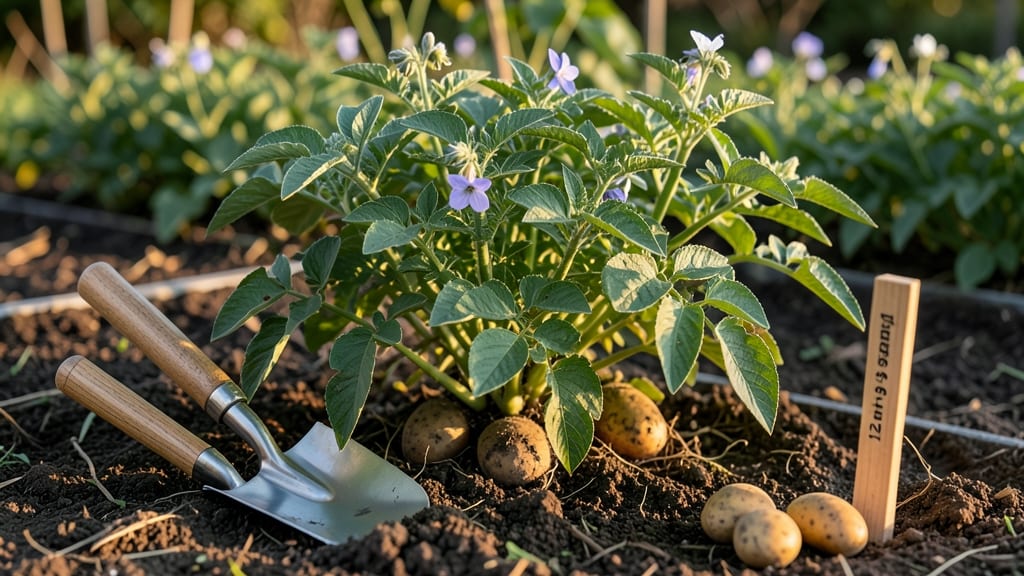
North Carolina’s ideal potato planting window by climate Zone
North Carolina’s diverse climate means the best time to plant potatoes varies dramatically from the Coastal Plain to the Mountains. In the Coastal Plain (Zones 7b-8a), where mild winters linger, you can start as early as mid-February if soil temperatures hit 45°F (7°C).
Meanwhile, in the Piedmont (Zones 7a-7b), wait until late March to avoid frost damage, while Mountain gardeners (Zone 6b) should hold off until mid-April when last-frost dates are more predictable.
For all regions, the ideal planting window is 2-4 weeks before your last expected frost date. This gives potatoes enough time to sprout before summer heat arrives.
In North Carolina’s Piedmont, where frost typically occurs around March 15, aim for early to mid-April—this aligns with when soil warms to 50-55°F (10-13°C), the sweet spot for germination.
Pro tip: Use the NC State Extension’s Frost Date Map to pinpoint your exact zone. For example, Raleigh (Zone 7b) gardeners can plant by March 20, while Asheville (Zone 7a) should wait until April 5. Timing this right ensures tubers develop before summer’s intense heat stunts growth.
🌱
| Region | USDA Zone | Best Planting Window | Soil Temp Trigger | Last Frost Date |
|---|---|---|---|---|
| Coastal Plain | 7b-8a | Mid-February to Early March | 45-50°F (7-10°C) | Mid-March |
| Piedmont | 7a-7b | Late March to Mid-April | 50-55°F (10-13°C) | March 15-April 1 |
| Mountains | 6b-7a | Mid-April to Early May | 55°F+ (13°C+) | April 15-May 1 |
📌 Note: Adjust for early varieties if planting late!
If you’re growing early-maturing varieties like ‘Yukon Gold’ (90 days) or ‘Red Pontiac’ (80 days), you can push planting dates slightly later—even into early May in cooler zones. These varieties tolerate shorter seasons better than late-season types like ‘Russet Burbank’ (120 days), which need that full spring window.
For fall planting (a trickier option in NC), aim for late July to early August in the Mountains or early August in the Piedmont. This gives tubers time to mature before the first frost, but success depends on consistent moisture and row covers to protect against early chills.
🌿
One mistake I see often? Gardeners in the Coastal Plain planting too early—soil may feel warm, but cold nights can still kill sprouts. Use a soil thermometer ($10 at garden centers) to confirm 45°F (7°C) minimum before committing.
In the Mountains, rushing planting can lead to blight if humidity spikes before harvest.
For container growing, start 2-3 weeks earlier than in-ground planting since pots warm faster. Place containers in full sun and use black plastic mulch to raise soil temps by 5-10°F. This trick works wonders for short-season varieties in urban NC gardens.
☀️
Soil temperature and moisture secrets for faster potato germination
North Carolina’s clay-heavy soils and humid springs can turn potato planting into a gamble if you don’t nail the soil temperature and moisture balance. Potatoes need soil between 45–55°F to germinate—any colder, and they’ll rot; any warmer, and they’ll dry out before sprouting.
My trick? Use a soil thermometer (just $10 at garden centers) to check 6 inches deep before planting.
If your soil is too cold, try chitting your seed potatoes—placing them in a sunny window for 2–3 weeks to sprout 1-inch stems. This gives them a head start.
For NC’s Piedmont region, where soils warm slower, I plant mine in late March after testing for 50°F+ consistency.
🌱 5 Pro Tips for Faster Germination
- 🌡️ Test soil temp at 6" depth—aim for 45–55°F.
- 💧 Water deeply 24 hours before planting to settle clay soils.
- 🌱 Chit seed potatoes for 2–3 weeks in light to jumpstart growth.
- 🕳️ Plant 4" deep in loose, well-draining soil to prevent rot.
- 🌿 Mulch with straw after sprouts appear to retain moisture.
NC’s Coastal Plain warms faster, so I plant 2–3 weeks earlier than the Piedmont—often by mid-February if the ground isn’t frozen. The key? Loose, well-draining soil.
Amend clay with compost or sand to prevent waterlogging, which causes blackleg disease. I also avoid planting in low spots where cold air pools.
Once sprouts emerge, reduce watering slightly to toughen stems—this prevents scab disease, a common issue in NC’s humid summers. After flowering, I ramp up water again to 1–2 inches per week to encourage tuber growth.
Pro tip: Use a drip irrigation system to keep foliage dry and reduce fungal risks.
For second crops, I plant late-sprouting varieties like Yukon Gold in early May, betting on NC’s long growing season. Just monitor soil temps—if they drop below 50°F after planting, cover rows with frost blankets to protect tender sprouts.
Remember: Consistency is critical. Potatoes hate fluctuating moisture, so stick to a weekly watering schedule once established. If your soil feels gummy after rain, add coarse sand to improve drainage. With the right prep, you’ll see sprouts in 10–14 days and tubers ready by late June!