
Plants
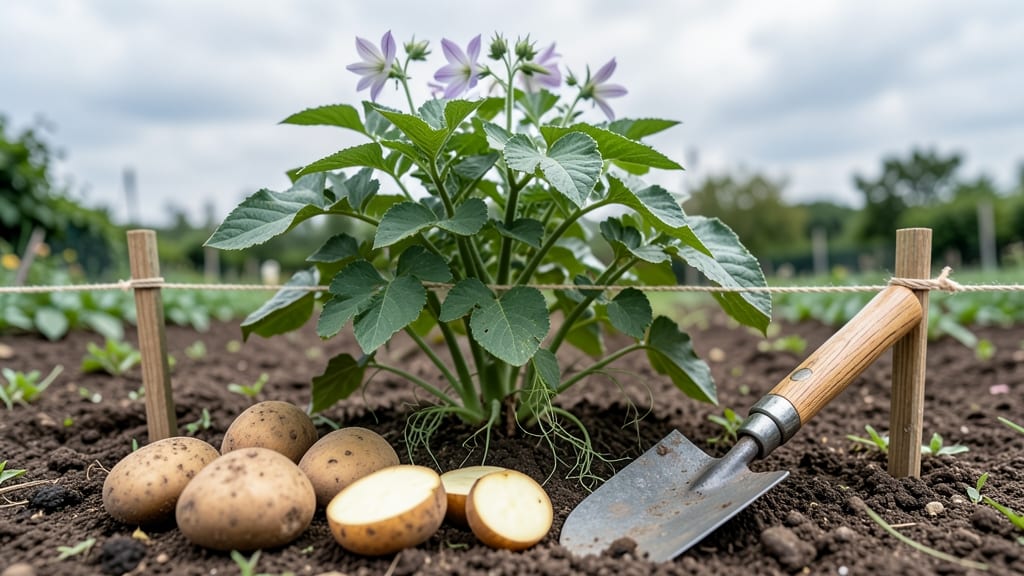
If you're wondering when to plant potatoes in Indiana, the answer isn't just about checking a calendar—it's about reading your soil like a seasoned gardener. 🥔 Too early, and a late frost will turn your hopes into crispy disappointment; too late, and you'll miss the sweet spot for a bountiful harvest.
The key lies in soil temperature, not just dates, and Indiana's 6a climate adds its own unique challenges.
Most gardeners in the Hoosier State start planting between March and April, but that's just the beginning. The real magic happens when your soil reaches that sweet 45°F-50°F range—warm enough to encourage growth but cool enough to prevent early stress.
This window typically opens around mid-March in southern Indiana but may wait until late March or early April in the northern half of the state.
What sets successful Indiana potato growers apart? They don't guess—they measure. Using a simple soil thermometer can shave weeks off your learning curve by giving you precise planting times tailored to your microclimate.
And here's the best part: once you master this timing, you'll not only get faster growth but also potatoes that are larger and more disease-resistant than those planted on a whim.
Ready to transform your garden? I'll walk you through exactly how to use soil temperature as your planting guide, plus Indiana-specific tips that'll have your 🥔 hills producing like never before. Let's get those spuds in the ground at just the right moment—because in gardening, timing really is everything.
Indiana potato planting timeline by soil temperature (not calendar dates)
Indiana’s potato planting success hinges on soil temperature, not just the calendar. While most gardeners aim for March or April, the real magic happens when soil reaches 45°F–50°F. This threshold ensures roots establish before frost, giving you vigorous growth and higher yields.
Northern Indiana’s cooler microclimates may need a later start, while southern regions can plant 2–3 weeks earlier.
Using a soil thermometer is your best tool—skip guessing! Check temperatures at 8 AM in a shaded spot. If your soil is still below 45°F, wait. Cold soil slows sprouting, leaving your potatoes vulnerable to rot or frost damage.
Pro tip: Black plastic mulch warms soil by 5–10°F, extending your planting window by 1–2 weeks.
Indiana’s last frost dates vary by zone: Northern Indiana (Zone 5) averages April 15–20, while Southern Indiana (Zone 6) sees frost end by April 1–10.
Planting 2–4 weeks before these dates gives tubers time to sprout before frost. For example, if your last frost is April 15, aim for mid-March planting.
Avoid the trap of planting too early—seed potatoes won’t sprout in cold soil (below 40°F), wasting your effort. Instead, use this soil temperature guide to time it perfectly.
Even if your neighbor plants in February, their soil might still be too cold, while yours could be ready by early March.
| Soil Temperature | Planting Window | Indiana Zone 5 (North) | Indiana Zone 6 (South) |
|---|---|---|---|
| Below 40°F | Wait | Avoid planting | Avoid planting |
| 40°F–44°F | Wait 1–2 weeks | Late March | Early March |
| 45°F–50°F | Ideal planting | Mid-March | Late February |
| Above 50°F | Plant ASAP | Early April | Early March |
| Last Frost | Plant 2–4 weeks before | April 15 | April 1 |
For northern Indiana, where soils stay cold longer, consider chitting seed potatoes indoors. Place them in egg cartons with the rose end up in a bright, cool spot (50°F–60°F) for 4–6 weeks before planting.
This jumpstarts sprouting, giving you a 2-week head start once soil warms. Southern Indiana gardeners can skip chitting unless you’re planting extremely early.
Don’t overlook microclimates—low spots or shady areas cool faster. If your garden sits in a frost pocket, plant on the warmer, south-facing side of your property. Conversely, raised beds warm up 2–3 weeks earlier than in-ground soil, making them ideal for early planting in cooler zones.
Once planted, hill soil around stems when they reach 6 inches tall, adding 4–6 inches of soil to encourage tuber formation. This also protects new growth from late frosts. In Indiana’s Zone
Indiana potato planting timeline by soil temperature (not calendar dates)
Indiana's USDA Zone 5-6a climate means your potato planting success hinges on soil temperature, not just calendar dates. While most gardeners aim for March-April planting, northern Indiana's colder microclimates may need adjustments. The magic number? 45°F-50°F soil temperature—this triggers consistent sprouting without frost damage.
Southern Indiana gardeners can start as early as late February in protected beds, while northern regions should wait until mid-April after the last frost. A soil thermometer becomes your best friend—planting too soon in cold soil stunts growth, while waiting too long risks late-season harvests.
| Planting Stage | Soil Temp | Indiana Timing | Action |
|---|---|---|---|
| Pre-Chitting | 60°F+ | Feb-March (indoors) | Expose seed potatoes to light |
| Planting | 45°F-50°F | Mid-April (north) / Late March (south) | 4" deep, 12" apart |
| Hilling | 55°F+ | May-June | Add soil when plants reach 6" |
| Harvest | 60°F+ | July-August | When foliage yellows |
Northern Indiana's cooler microclimates (like LaPorte County) often need 2-3 weeks later than southern areas (like Evansville). Check your last frost date—typically April 15 statewide—but plant 2-4 weeks before this date when soil hits 45°F. Use black plastic mulch to warm soil faster in cold spots.
Pro tip: Chitting (pre-sprouting) seed potatoes indoors gives you a 2-week head start. Place certified seed potatoes in egg cartons with sprouts facing up, then plant when sprouts reach 1/2-inch long. This jumpstarts growth in Indiana's unpredictable spring weather.
For late plantings, consider fingerling varieties like 'Red Pontiac'—they mature in 60-70 days, giving you a second chance if spring is slow. Just be prepared for smaller yields compared to early plantings.
Remember: Soil temperature beats calendar dates every time. Grab that soil thermometer—your potato harvest depends on it! 🥔