
Plants
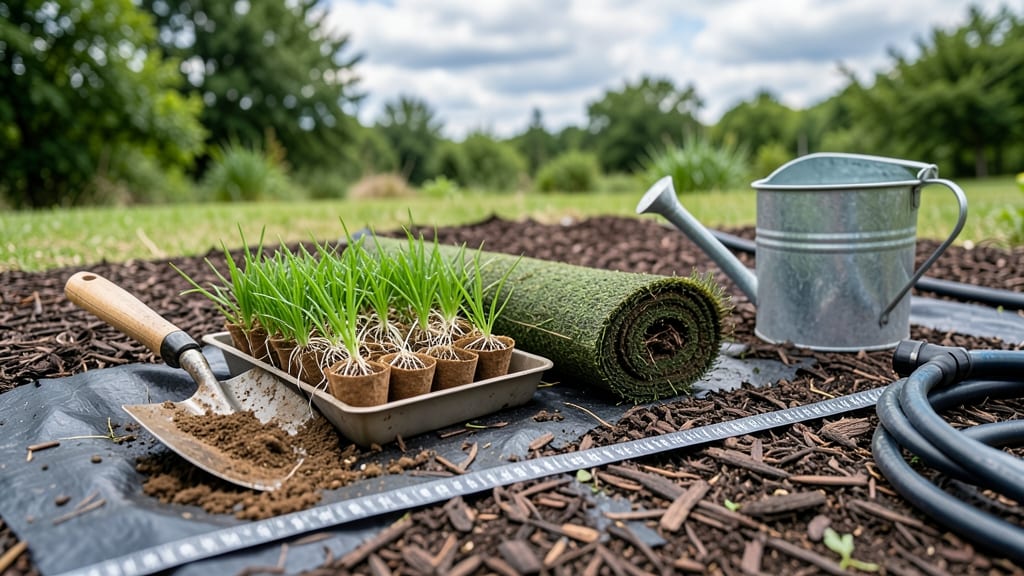
If you're asking "when is the best time to plant St. Augustine grass in Texas", the answer isn't just about avoiding summer's scorching heat—it's about giving your 🌱 the perfect window to establish strong roots before the real challenges arrive.
Texas's sweltering summers can turn a well-intentioned planting into a struggle, but timing your St. Augustine grass just right makes all the difference. The ideal window isn't what most people assume—it's a strategic balance between heat and moisture that sets your lawn up for long-term success.
In this guide, I’ll break down the science behind Texas’s planting seasons, why fall often outperforms spring, and how to prepare your soil for maximum root growth. You’ll discover how to avoid common mistakes that lead to weak grass and learn region-specific tips for North vs. South Texas.
Whether you're a first-time homeowner or a seasoned gardener, these insights will help you plant with confidence—and watch your lawn thrive even in the hottest months.
Optimal planting windows for St. augustine grass in Texas: month-by-month heat tolerance guide
Timing your St. Augustine grass planting is critical in Texas, where soil temperatures and humidity levels shift dramatically. The ideal window balances heat tolerance with root establishment—typically late spring to early summer (April–June) or early fall (September–October). Planting outside these windows risks heat stress or fungal diseases from excessive moisture.
Texas’s USDA zones 8a–10b mean regional differences matter. North Texas (e.g., Dallas) has cooler springs, while South Texas (e.g., Houston) faces earlier heat. Soil temperature is your best guide: aim for 65°F+ at 4 inches deep.
Below this, roots struggle to establish, leaving your lawn vulnerable to drought or weed invasion.
Here’s how to align your planting with Texas’s climate—including month-by-month heat tolerance thresholds and regional adjustments:
For North Texas, prioritize April–May planting when soil warms gradually. In South Texas, shift to late May–early June to escape the brutal July–August heat. Fall planting (September–October) is often overlooked but ideal—cooler temps reduce heat stress while maintaining soil moisture for root growth.
Pro tip: Use a soil thermometer to monitor temperatures. If readings exceed 85°F, delay planting until conditions cool. Mulch with straw after planting to retain moisture and shield new roots from Texas’s intense sun.
Regional adjustments matter: East Texas (higher humidity) can handle slightly later spring plantings, while West Texas (drier) benefits from earlier fall prep. Always check your local agricultural extension service for hyper-local advice tailored to your county’s microclimate.
Remember, St. Augustine grass thrives with consistent moisture. Planting in April or September gives your lawn the best shot at establishing deep roots before summer’s drought stress or winter’s chill sets in.
If you’re in a hurry, late August can work for South Texas, but expect slower growth due to high temperatures. For North Texas, early April is your golden ticket to a lush, heat-resistant lawn by summer.
🌱
Optimal planting windows for St. augustine grass in Texas: month-by-month heat tolerance guide
St. Augustine grass loves Texas heat—but that doesn’t mean you should plant it during the hottest months. The ideal planting window balances soil warmth (at least 65°F) with moderate air temperatures to prevent stress.
In Texas, this typically means late spring to early summer (May–June) or fall (September–October), when humidity is lower and roots can establish without battling extreme heat.
Texas’s climate varies dramatically from North to South, so timing matters. North Texas (e.g., Dallas, Fort Worth) has cooler springs and earlier frosts, while South Texas (e.g., Houston, San Antonio) stays warm longer.
I’ll break down the best months for each region, including critical temperature thresholds and moisture considerations to avoid common pitfalls like fungal diseases or drought stress.
| Month | North Texas (Dallas/Fort Worth) | South Texas (Houston/San Antonio) | Soil Temp (°F) | Air Temp (°F) |
|---|---|---|---|---|
| April | ✅ Good (cooler mornings) | ⚠️ Risky (high humidity) | 60–68°F | 65–80°F |
| May | ✅ Best (soil warm, less stress) | ✅ Best (ideal balance) | 70–78°F | 75–90°F |
| June | ⚠️ Risky (peak heat) | ⚠️ Risky (extreme heat) | 80–85°F | 90–100°F |
| September | ✅ Best (fall transition) | ✅ Best (cooler, less humidity) | 75–82°F | 80–95°F |
| October | ✅ Good (soil still warm) | ✅ Good (ideal for roots) | 70–78°F | 70–85°F |
⚠️ Key: ✅ = Optimal, ⚠️ = Risky (high stress)
May and September stand out as the sweet spots for St. Augustine grass in Texas. In May, soil temperatures are consistently above 65°F, but air temps haven’t yet hit 100°F+ extremes. This gives seedlings 4–6 weeks of ideal conditions to establish roots before summer’s peak.
Meanwhile, September offers the same benefits—warmer soil but cooler air—plus the added advantage of higher humidity supporting root growth without the risk of heat shock.
Avoid planting in June–August unless you’re in South Texas with shade and irrigation. Even then, seedlings struggle to establish roots in soil temps above 85°F, leading to weak, shallow roots and drought sensitivity.
I’ve seen lawns planted in July brown out completely by September if not given daily deep watering.
For North Texas, aim for late April to early May or September 15–October 15. In South Texas, you can stretch planting into late May or even early June—but only if you’re prepared for aggressive watering and shade cloth during the hottest afternoons.
The key is soil temperature, not just air temp: use a soil thermometer to confirm it’s above 65°F before planting.