
Plants
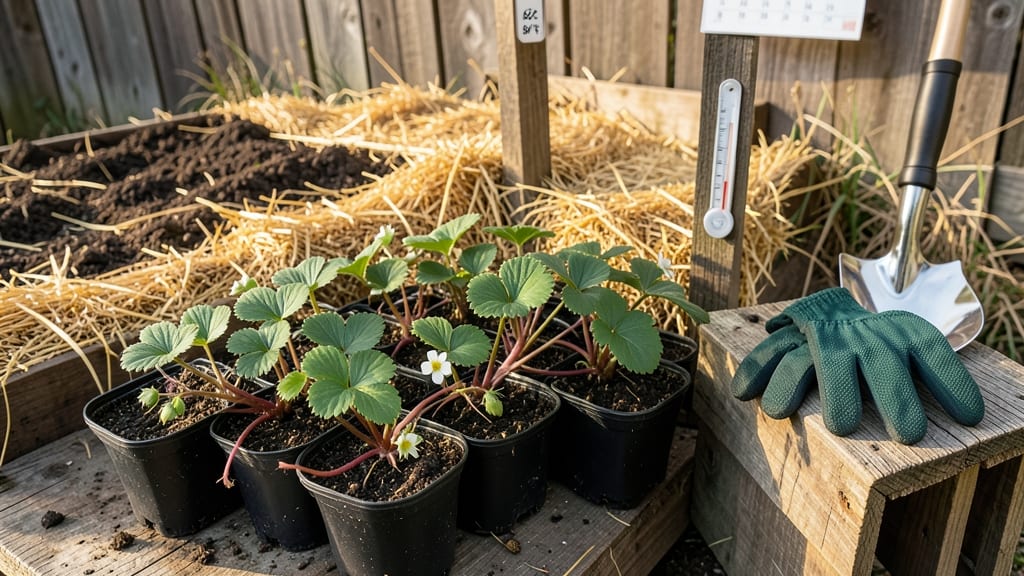
If you’ve ever watched your strawberry plants bolt in Texas heat or freeze under winter chill, you know timing is everything—especially when it comes to the best time to plant strawberries in Texas.
The difference between a bountiful harvest and a sad, wilted patch often boils down to choosing the right window and varieties that can handle the Lone Star State’s extremes.
Texas gardeners face a tricky balance: plant too early, and the heat sends your strawberries 🍓 into early flowering (bolting) before they’re ready. Plant too late, and winter freezes can wipe out your crop before it even starts.
But here’s the good news—with the right strategies, you can outsmart Texas’s climate and enjoy sweet berries from late winter through early summer.
In this guide, I’ll break down the exact months to plant strawberries in North, Central, and South Texas, plus the heat-tolerant varieties that won’t bolt in 8a-10b zones. We’ll also cover soil prep, mulching tricks, and how to extend your harvest season without risking your plants.
Ready to turn your Texas garden into a strawberry paradise? Let’s dive into the best planting windows and pro tips that’ll keep your berries thriving—no matter what Mother Nature throws your way.
Texas strawberry planting calendar: exact months by region to avoid bolting
Texas isn’t one-size-fits-all for strawberries—what works in North Texas (like Dallas) fails in South Texas (Houston). The key? Planting when soil temps stay below 80°F and frost dates align with your zone. Miss this window, and your plants will bolt (send up flowers) before fruiting—or freeze before establishing roots.
Most Texas gardeners succeed with two planting windows: fall (October–November) and early spring (February–March). Fall plants establish roots before winter, while spring plants avoid summer’s brutal heat. But West Texas (El Paso) and South Texas (Corpus Christi) can push spring planting to April thanks to milder winters.
Pro Tip: Check your last frost date (typically January 15 in North Texas to February 15 in South Texas) and plant 4–6 weeks before to give roots time to anchor. Use a soil thermometer—ideal temps are 50–70°F.
Here’s your region-by-region breakdown of exact months, soil needs, and frost risks to nail your timing:
| Region | Best Planting Months | Soil Temp Goal (°F) | Last Frost Date | First Frost Date | Key Risk |
|---|---|---|---|---|---|
| North Texas (Dallas/Fort Worth) | October 1–November 15 February 15–March 15 |
50–70°F | January 15 | November 30 | Winter freezes |
| Central Texas (Austin) | October 15–November 30 February 1–March 30 |
55–75°F | February 1 | December 15 | Summer heat stress |
| South Texas (Houston/San Antonio) | September 15–November 1 March 1–April 15 |
60–80°F | February 15 | January 1 | Humidity/fungal diseases |
| West Texas (El Paso) | October 15–November 30 March 1–April 15 |
45–65°F | January 30 | November 15 | Extreme heat/cold swings |
Notice how South Texas can plant as late as April? That’s because USDA Zone 9a–10b rarely drops below 30°F. But in North Texas (Zone 8a), a 20°F freeze can wipe out unprotected plants. Always mulch heavily (3–4 inches of straw) in colder zones to insulate roots.
For container growers, timing shifts slightly—you can plant 2–4 weeks later than in-ground since pots warm up faster. But never plant when daytime temps exceed 85°F, or your strawberries will bolt within weeks. Use shade cloth (30–50%) if summer-planting is unavoidable.
Microclimate Hack: Urban areas like Austin have "heat islands" where temps run 5–10°F hotter than rural zones. If your yard feels like an oven, opt for shade-tolerant varieties (like 'Albion') and plant in afternoon shade.
Finally, avoid planting in summer unless you’re in Zone 10b (Deep South Texas). Even then, Seascape or
Heat-tolerant strawberry varieties that thrive in Texas heat (with zero bolt risk)
Texas summers are brutal for strawberries—most varieties bolt (send up flower stalks too early) when temps hit 85°F+. But the right heat-tolerant varieties can produce fruit year-round with minimal stress. I’ve grown these top performers in Zone 8b-10a, and they consistently deliver sweet, juicy berries without bolting.
Your best bets are June-bearing (one big harvest) and everbearing (multiple harvests) types adapted to Texas heat. Look for varieties labeled "day-neutral"—they produce fruit continuously and handle 100°F+ temps better than traditional types. Avoid Albion or Chambly unless you’re in North Texas—they bolt fast in Central/South Texas.
| Variety | Heat Tolerance | Disease Resistance | Yield | Best For |
|---|---|---|---|---|
| Seascape | ⭐⭐⭐⭐⭐ (100°F+) | ⭐⭐⭐⭐ (Fungal) | High | Everbearing, Containers |
| Chandler | ⭐⭐⭐⭐ (95°F+) | ⭐⭐⭐ (Moderate) | Very High | June-Bearing, Gardens |
| Sweet Charlie | ⭐⭐⭐⭐ (90°F+) | ⭐⭐⭐⭐ (Fungal) | High | Everbearing, Small Spaces |
| Fort Laramie | ⭐⭐⭐ (85°F+) | ⭐⭐ (Low) | Moderate | June-Bearing, North TX |
| Albion | ⭐⭐ (80°F+) | ⭐⭐⭐ (Moderate) | Very High | June-Bearing, Cool Zones |
Seascape is my top recommendation for Central/South Texas—it’s day-neutral, meaning it produces fruit year-round if you manage heat stress. Plant it in partial shade during peak summer (use 30% shade cloth) to prevent bolting. Chandler, a June-bearing type, is ideal for North Texas where summers are slightly cooler.
Where to buy? Avoid big-box stores—their plants often carry spider mites or verticillium wilt.
Instead, source from: - Texas A&M AgriLife Extension (certified disease-free plants) - Local nurseries like Native American Seed (San Antonio) or Wildseed Farms (Fredricksburg) - Online: Johnny’s Selected Seeds or Baker Creek Heirloom Seeds (order early—Texas varieties sell out fast!)
Pro tip: If you’re in West Texas (Zone 8a), pair Sweet Charlie with drip irrigation