
Plants
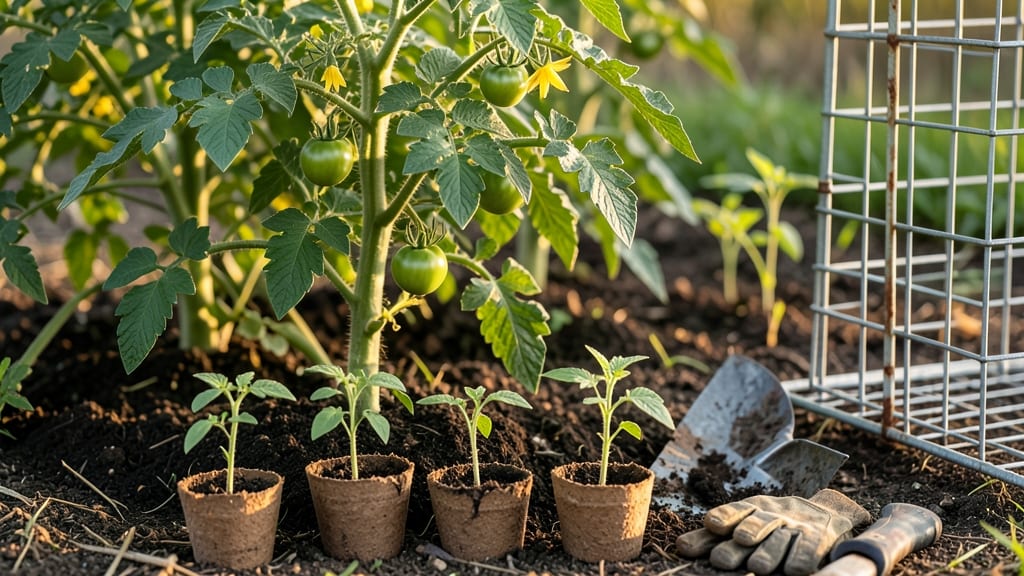
Knowing the best time to plant tomatoes in North Carolina isn’t just about checking a calendar—it’s about catching that sweet spot between frost risk and soil warmth that turns seeds into thriving 🍅 plants.
Get it wrong, and you’ll either wait forever for germination or watch your seedlings wither in a late frost. The good news? With the right timing, you can enjoy a bumper crop from April through October, no matter if you’re in the Coastal Plains or the Mountains.
Most gardeners in NC’s 7a-8a zones swear by planting between mid-April and early June, but here’s the catch: your exact window depends on soil temperatures, not just dates. Cold soil? Your seeds will sit there like they’re hibernating.
Too hot? They’ll bolt before you even see sprouts. I’ll show you how to read the signs and adjust your schedule for fast germination—no guesswork, just science-backed timing.
Whether you’re starting seeds indoors or transplanting seedlings, the key is patience paired with preparation. We’ll cover everything from testing soil temps to choosing the right varieties for your microclimate.
Trust me, once you master this, you’ll never stress over planting dates again—and your harvest will thank you with juicy, vine-ripened tomatoes all season long.
Ready to stop playing the waiting game? Let’s dive into the exact steps to time your tomato planting for maximum success in North Carolina’s unpredictable spring weather. Spoiler: it’s all about the soil—and I’ve got the tools to help you get it just right.
North Carolina’s ideal tomato planting windows by region: soil temperature rules for fast germination
North Carolina’s diverse climate means your tomato planting schedule should vary depending on whether you live in the Coastal Plains, Piedmont, or Mountain regions. The key isn’t just avoiding frost—it’s ensuring your soil stays above 50°F (10°C) for seeds to germinate and 60°F (15°C) for healthy growth.
Let’s break down the best windows by region, including when to start seeds indoors or transplant seedlings.
For Coastal Plains (Zones 8a-8b), like Wilmington or Fayetteville, your last frost typically occurs by March 15. You can start transplanting seedlings as early as March 20, but wait until soil warms to 65°F (18°C)—usually by April 1—for direct seeding.
This region’s longer growing season lets you push planting until May 15 for late varieties.
In the Piedmont (Zones 7a-7b), including Raleigh and Greensboro, frost lingers until April 1. Hold off on transplanting until April 15 and direct seeding until April 30, when soil temperatures consistently hit 60°F (15°C).
The window closes by May 20 to avoid summer heat stress. Clay soils here can stay cold longer, so test before planting!
The Mountain regions (Zones 6b-7a), like Asheville or Boone, have later frosts (May 1) and shorter seasons. Start seedlings indoors by March 1 and transplant after May 15, aiming for soil temps of 65°F (18°C).
Direct seeding isn’t recommended until June 1—your last chance for a harvest before frost hits by October 15.
| Region | Last Frost | Transplant Window | Direct Seed Window | Soil Temp Trigger |
|---|---|---|---|---|
| Coastal Plains | March 15 | March 20–April 15 | April 1–May 15 | 65°F (18°C) |
| Piedmont | April 1 | April 15–May 1 | April 30–May 20 | 60°F (15°C) |
| Mountains | May 1 | May 15–June 1 | June 1–July 1 | 65°F (18°C) |
🌱 Pro Tip: Use NC State Extension’s Frost Calculator for your exact location.
If you’re transplanting seedlings, start them indoors 6–8 weeks before your region’s last frost. For Coastal Plains, that’s February 1; Piedmont gardeners should start by February 15; and Mountain growers by March 1.
Use grow lights to prevent leggy seedlings, and harden them off for 7–10 days before moving outdoors.
Direct seeding is riskier but saves money. Plant seeds ½ inch deep in warm soil, and use row covers if nighttime temps dip below 50°F (10°C). In the Piedmont, for example, a black plastic mulch can raise soil temps by 5–10°F, speeding germination.
Always water seeds gently to avoid washing them out of the soil.
For heirloom varieties with longer growing seasons (like Brandywine or Cherokee Purple), plant on the earlier end of your window. Cherry tomatoes (e.g., Sweet 100) tolerate heat better and can go in until June 1 in most regions.
Just be prepared to provide afternoon shade during July’s peak heat to prevent sunscald.
Missed the spring window? Don’t despair! North Carolina’s climate allows for late-summer planting in Coastal areas. Try heat-tolerant varieties like Solar Fire or Heatmaster and plant by July 15 for a fall harvest. Just ensure your plants get consistent watering and mulch to retain moisture.
For precise local advice, check the NC State Extension’s Planting Calendar or use their Frost/Freeze Probability Maps. These tools account for microclimates—like urban heat islands or sheltered valleys—that can shift your ideal planting date by 1–2 weeks. Happy planting!
How to test soil temperature and adjust planting for North Carolina’s unpredictable spring weather
North Carolina’s spring weather can be as unpredictable as a garden gnome’s mood—one day it’s sunny, the next it’s frosting over. Soil temperature is the real decision-maker for tomato planting, not just the calendar.
If you plant too early in Piedmont’s clay-heavy soils, your seeds will linger in limbo or rot. But if you wait too long, you’ll miss the optimal 60°F+ window for fast germination.
I’ve learned the hard way: Last year’s early April planting in Raleigh turned into a sad, soggy mess after a 32°F night. The key? Testing soil temps daily for a week before planting.
A simple $15 soil thermometer (or even a meat thermometer from your kitchen drawer) will save you heartache. Stick it 2-3 inches deep—that’s where tomato seeds need warmth to wake up.
Here’s the golden rule: Tomato seeds need soil temps of 60°F+ to germinate reliably, but ideal growth happens at 70°F+.
In Coastal NC, you might hit this by mid-March, while Mountain regions often wait until late May. Piedmont gardeners usually land in early to mid-April, but clay soils can stay cold longer—always test!
⚠️ Warning: The 3 Deadly Planting Mistakes in NC
- Planting in cold soil (<60°F) → Seeds rot or take 3+ weeks to sprout (pests move in!).
- Ignoring frost forecasts → A 28°F night after planting = instant tomato death.
- Skipping soil prep → Compacted or waterlogged soil = root rot before your plants even leaf out.
Pro Tip: Use the NC State Extension’s Frost Calculator (link in resources) to track local risks.
If your soil is too cold but you’re eager to plant, try these quick fixes:
- Black plastic mulch (warms soil 5-10°F faster than bare earth).
- Straw bales under row covers to insulate roots.
- Transplant seedlings instead of direct-seeding—they handle cooler soil better.
For late frosts (common in Asheville or Boone), I swear by floating row covers. Lay them over seedlings at night and remove by 10 AM to let pollinators in. Test soil temps again after frost—sometimes a 5°F dip can push your planting window back 2-3 weeks.
Remember: North Carolina’s microclimates mean your neighbor’s perfect timing might be your garden’s nightmare. Track your own data for 2-3 years to spot patterns.
And if all else fails, start seeds indoors in February—you’ll have hardened-off plants ready to transplant after the last frost, no matter what Mother Nature throws at you. 🌱