
Plants
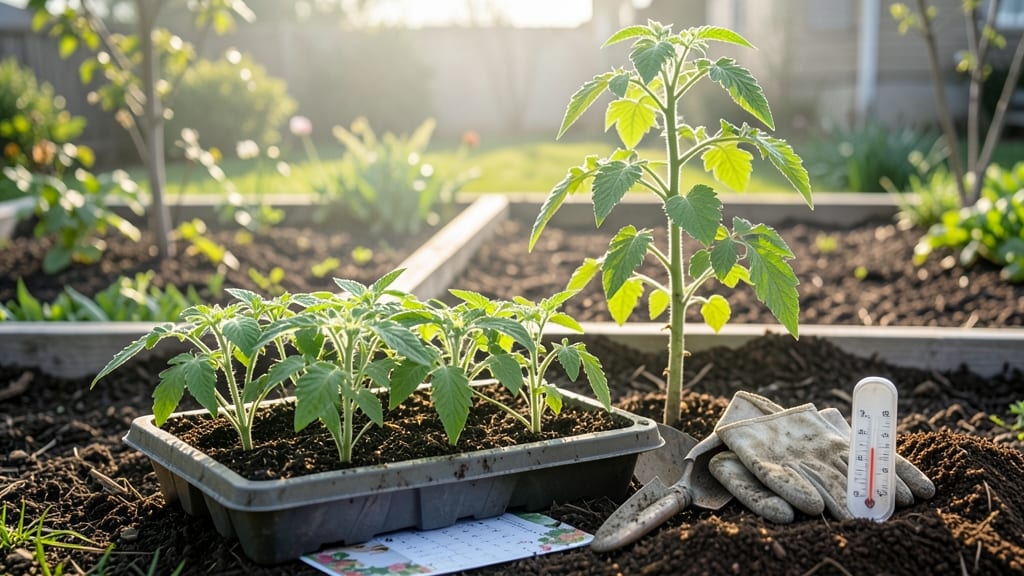
If you’ve ever wondered when is the best time to plant tomatoes in Ohio, you know timing is everything. Watching your 🍅 tomatoes wilt under Ohio’s unpredictable spring weather makes it clear—planting too early risks frost damage, while waiting too long cuts your harvest short.
But Ohio’s diverse zones (like 6a) mean the “perfect” window shifts from north to south. Most gardeners in Ohio aim to transplant seedlings after April 15, when soil warms to 60°F and frost threats fade.
But heat-loving varieties like ‘Celebrity’ or ‘Better Boy’ need even more precision—delaying past May 15 can shrink yields in cooler microclimates. I’ll break down the exact dates by zone, plus 5 proven tricks to stretch your growing season without a greenhouse.
Whether you’re a first-timer or a veteran gardener, these insights will help you avoid common mistakes (like planting too deep or ignoring soil pH) and maximize your harvest from July to September. Ready to turn Ohio’s variable climate into your tomato-growing advantage?
Let’s dive into the strategies that work—backed by local expertise and real-world results.
Ohio’s exact tomato planting dates by hardiness Zone (5b-7a) and heat-tolerant varieties
Ohio’s diverse climate zones (5b-7a) mean your tomato planting window can shift by weeks depending on location. In Zone 5b (northwest Ohio), last frost typically arrives April 15-30, while Zone 7a (southwest Ohio) sees frost-free conditions by March 15-April 1.
This variance is critical—planting too early risks frost damage, while late planting cuts your harvest season short.
For optimal tomato growth, aim to transplant seedlings 2-3 weeks after your area’s last frost date, when soil temperatures hit 60°F (15°C).
Ohio State University Extension recommends waiting until May 1-15 in most regions, but Zone 6a (central Ohio) gardeners often start as early as April 20 if using row covers for protection.
Here’s the zone-by-zone breakdown for Ohio’s tomato planting schedule, including heat-tolerant varieties that thrive in our summers:
| USDA Zone | Last Frost Date | Transplant Window | Heat-Tolerant Varieties | Soil Temp Requirement |
|---|---|---|---|---|
| Zone 5b (NW Ohio) | April 15-30 | May 1-15 | 'Mountain Merit', 'Stupice' | 60°F+ (15°C+) |
| Zone 6a (Central Ohio) | April 1-15 | April 20-May 5 | 'Celebrity', 'Better Boy' | 60°F+ (15°C+) |
| Zone 6b (SE Ohio) | March 20-April 5 | April 10-25 | 'Solar Fire', 'Arkansas Traveler' | 58°F+ (14°C+) |
| Zone 7a (SW Ohio) | March 15-30 | March 30-April 15 | 'Heatmaster', 'Sun Gold' | 55°F+ (13°C+) |
*Varieties like 'Mountain Merit' resist Ohio's late-summer heat and humidity better than standard types.
If you’re starting seeds indoors, begin 6-8 weeks before your transplant date. For Zone 5b, that’s March 1-15; Zone 7a gardeners can start as early as January 15. Use grow lights to prevent leggy seedlings—Ohio’s short winter days limit natural light.
For container gardening, choose determinate varieties like 'Roma' or 'Patio Princess' (they stay compact) and plant 2 weeks later than in-ground tomatoes. Containers warm up faster in spring, but they also dry out quicker—monitor soil moisture closely.
Ohio’s humid summers favor disease-resistant varieties. Look for labels like 'Virus-resistant' or 'Fusarium-resistant' (e.g., 'Defiant PhR'). These handle Ohio’s late-season rains better than standard types. Pair them with cage supports to improve air circulation and reduce fungal risks.
Pro tip: Use a soil thermometer to confirm 60°F+ soil temps before transplanting. Cold soil slows root growth, leaving plants vulnerable to verticillium wilt. If temps are below ideal, wait 1-2 weeks or use black plastic mulch to warm the soil faster.
For late-season harvests, plant succession crops every 2 weeks through June 15. This ensures a steady supply of tomatoes through September, even in Zone 5b. Choose early-maturing varieties like 'Early Girl' (60 days) for these replantings.
Ohio’s microclimates can vary by just 10 miles. Check your local OSU Extension office or use the National Weather Service’s frost maps to pinpoint your exact last frost date. Even a 1-week difference can mean the difference between 100 vs. 500 tomatoes per plant!
5 Proven strategies to extend Ohio’s tomato growing season (without greenhouses)
Ohio’s short growing season can feel like a race against time for tomato lovers. But with the right tricks, you can push your harvest 2-4 weeks earlier or 3-5 weeks later—no greenhouse needed.
The key? Combining soil warmth, protective barriers, and smart planting schedules tailored to Ohio’s Zone 5b-7a climate.
Start seeds indoors 6-8 weeks before your last frost date (early April for Zone 5b, late March for Zone 7a). Use grow lights to ensure strong seedlings—weak ones struggle when transplanted into cooler Ohio soils. For Zone 5b gardeners, this means starting seeds by February 15 to beat late frosts.
🌱 5 Ways to Extend Your Ohio Tomato Season
- Cold Frames: Add 3-4 weeks to spring/fall. Place over seedlings after last frost or before first frost.
- Row Covers: Use lightweight fabric to protect from late May frosts (common in Zone 5b) or early October chills.
- Black Plastic Mulch: Warms soil 5-10°F faster than bare ground—ideal for early Zone 5b plantings.
- Succession Planting: Sow new seeds every 2 weeks from May to July for staggered harvests.
- Tall Containers: Move pots indoors at night in September to extend harvests by 2-3 weeks.
For Zone 7a gardeners, focus on fall extensions. Remove row covers by mid-August to harden off plants, then reapply them in early October to trap warmth. Pair this with dwarf varieties like 'Tiny Tim'—they ripen faster in cooler temps.
In Zone 5b, prioritize heat-tolerant varieties like 'Mountain Merit' or 'Celebrity' for early starts.
Soil temperature matters more than air temperature. Use a soil thermometer—tomatoes need 60°F+ soil to thrive. In cooler zones, lay down clear plastic sheeting 1-2 weeks before planting to warm the ground. This trick can shave 7-10 days off your transplant timeline.
Don’t forget about mulching. Straw or shredded leaves keep roots cool in summer and warm in spring. For late-season plants, add a thick layer (4-6 inches) in early September to protect from October frosts—common even in Zone 7a.
🌿