
Plants
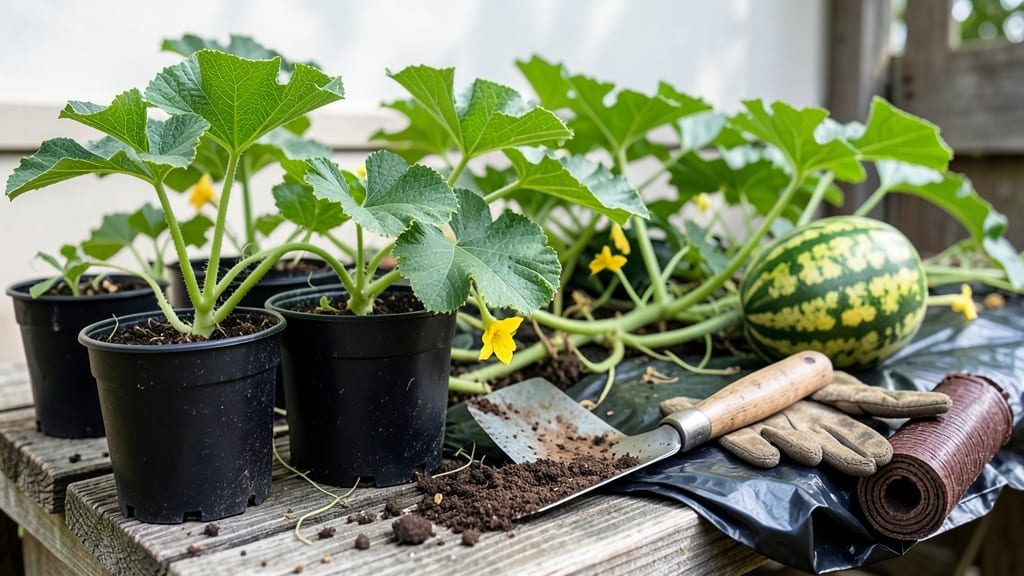
If you’ve ever tried growing watermelons in Florida only to watch your plants struggle in the heat, you’re not alone—timing is everything.
The best time to plant watermelon in Florida isn’t just about picking a season; it’s about aligning with soil temperatures and regional microclimates to avoid wilting vines and missed harvests.
Florida’s frost-free zones (9a-11) give gardeners a longer growing window than most states, but that doesn’t mean you can plant anytime.
Heat-tolerant varieties like ‘Crimson Sweet’ or ‘Sugar Baby’ thrive when soil hits 70°F+, which typically means starting seeds in mid-February to early May for spring crops—or late July to early September for fall harvests.
Why does this matter? Planting too early risks cold snaps (rare but possible in North Florida), while late starts can leave your melons battling summer’s peak heat. I’ll break down the exact planting schedule for your region—so you can go from seed to juicy, homegrown 🍉 in record time.
Skip the guesswork and learn how to maximize your yield with Florida’s ideal planting dates, variety recommendations, and pro tips to beat the heat. Let’s get those vines growing the right way!
Florida’s exact watermelon planting dates by region: from south to north
Florida’s warm climate makes watermelon cultivation possible year-round, but timing is everything. Unlike cooler states, we focus on two key windows: spring (February–May) and fall (July–September). The difference between these seasons can mean the difference between a bountiful harvest and struggling vines.
In South Florida (USDA Zones 10b–11), you can plant almost year-round, while North Florida (Zones 8a–9a) needs precise timing to avoid summer heat stress.
Here’s the secret: Soil temperature must reach at least 70°F before planting. In Florida, this typically aligns with mid-February for South Florida and early April for North Florida for spring plantings.
For fall, aim for late July to early August statewide. These dates ensure your seeds germinate quickly and vines establish before extreme heat sets in.
Miss these windows, and you risk poor germination, stunted growth, or fruit that never ripens. For example, planting in June might work in South Florida, but North Florida gardeners will face melting soil and wilting seedlings.
Let’s break down the exact schedule by region to help you pick the perfect time for your location.
| Region | Spring Planting Window | Fall Planting Window | Soil Temp Threshold | Harvest Window |
|---|---|---|---|---|
| South Florida (Miami, Fort Lauderdale) | Mid-February to early April | Late July to early September | 70°F+ (year-round possible) | April–June, September–October |
| Central Florida (Orlando, Tampa) | Early March to early May | Late July to early August | 70°F+ (March/August) | May–July, September–October |
| North Florida (Jacksonville, Gainesville) | Early April to mid-May | Late July to early September | 70°F+ (April/July) | June–August, September–October |
The soil temperature is your best friend when planning. Use a soil thermometer to confirm it’s 70°F or warmer before planting. In Florida’s sandy soil, heat rises quickly, so mid-morning readings are most accurate.
For example, in Orlando, soil temps hit 70°F by mid-March, while Gainesville waits until early April. Planting too early? Your seeds will rot. Planting too late? Your vines may struggle in peak summer heat.
For spring plantings, aim to harvest before June’s extreme heat. Watermelons need consistent warmth (80°F+ days) to thrive, but 90°F+ temps can stress vines and reduce fruit quality. In fall, the goal is to establish vines before September’s hurricanes or October’s cooler nights.
A 4–6 week buffer between planting and first frost (if applicable) ensures melons mature fully.
Pro tip: Start seeds indoors 2–3 weeks before your region’s ideal outdoor date if you’re using transplants. Florida’s humidity means seedlings often outgrow containers quickly, but this head start gives them a fighting chance against fungal diseases like powdery mildew. Use biodegradable pots to avoid root disturbance when transplanting.
If you’re in South Florida, you can even try winter plantings (November–January) for a holiday harvest. While less common, varieties like ‘Sugar Baby’ can tolerate cooler temps if protected from frost pockets (rare but possible in North Florida). Just be prepared for slower growth and smaller fruits.
Remember: Watermelons are heat-lovers, but they hate consistent high heat without recovery time. The ideal day for planting is a warm, partly cloudy day with light breezes.
Avoid planting after heavy rain, as waterlogged soil can suffocate seeds. And always mulch heavily (straw or black plastic) to retain moisture and regulate soil temps.
Your planting date isn’t just about the calendar—it’s about weather patterns, soil conditions, and your specific microclimate. Check local Florida Climate Data (like from the UF/IFAS Extension) for real-time updates, and adjust your timeline if unusual heatwaves or cool snaps occur.
With the right timing, you’ll be slicing into juicy, homegrown watermelons in no time.
Florida’s exact watermelon planting dates by region: from south to north
Florida’s frost-free climate means you can grow watermelons year-round, but timing is everything to avoid heat stress or disease. The key is planting when soil temperatures hit 70°F+—too early, and your seeds rot; too late, and vines struggle in peak summer heat.
Here’s the breakdown by region, with heat-tolerant varieties like ‘Sugar Baby’ performing best.
Southern Florida (Miami, Fort Lauderdale) has the longest growing season. Start seeds mid-February to early March for spring harvests by May-July. For fall, sow seeds late July to early August, with melons ripening by October-November.
The heat here is relentless, so prioritize shade cloth during peak afternoons to protect young plants.
| Region | Spring Planting Window | Fall Planting Window | Soil Temp Threshold | Best Variety |
|---|---|---|---|---|
| South Florida | Mid-Feb to early Mar | Late July to early Aug | 70°F+ | ‘Sugar Baby’ |
| Central Florida | Late Feb to early Apr | Mid-July to early Sep | 70°F+ | ‘Crimson Sweet’ |
| North Florida | Early Mar to late Apr | Late July to early Aug | 75°F+ | ‘Black Diamond’ |
Central Florida (Orlando, Tampa) offers a slightly longer window for spring planting—aim for late February to early April—while fall planting shifts to mid-July to early September. Here, afternoon thunderstorms can drown seedlings, so raise beds or use drip irrigation to keep soil evenly moist.
‘Crimson Sweet’ thrives here due to its disease resistance in humid conditions.
North Florida (Gainesville, Jacksonville) demands earlier starts to escape summer’s brutal heat. Plant seeds early March to late April for spring harvests, or late July to early August for fall.
The cooler nights here mean ‘Black Diamond’ outperforms other varieties, thanks to its thicker rind and faster maturation in shorter seasons.
Regardless of region, direct-sow seeds—never transplant seedlings—since watermelons hate root disturbance. Bury seeds 1 inch deep in hills spaced 3-4 feet apart, and thin to the strongest vine. Mulch with straw or black plastic to retain moisture and suppress weeds, which compete fiercely in Florida’s heat.
Pro tip: Use a soil thermometer to confirm temperatures before planting. If soil is below 70°F, wait—cold soil delays germination and invites fungal diseases like damping-off.
With the right timing, your vines will spread faster than a Florida summer storm, and you’ll be slicing into homegrown melons in no time. 🍉