
Planting
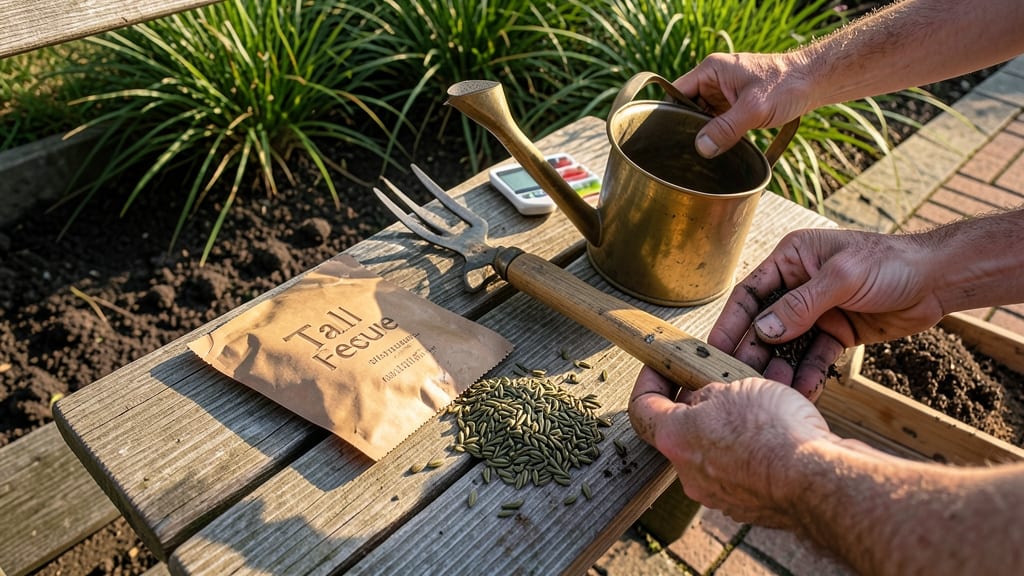
Planting grass seed in North Carolina at the wrong time can mean the difference between a vibrant, lush lawn and a patchy, weed-infested mess. Whether you're in the Piedmont's 7a-7b zone or the Coastal Plain's 8a-8b, timing is everything—and getting it right means avoiding wasted seed and extra work.
Most gardeners swear by early fall or late spring, but North Carolina’s varied climate zones change the rules. The Mountains (5b-6a) play by different rules than the Coastal (8a-8b), and even a week too early or late can throw off your entire lawn project.
Let me show you the exact windows that work for each region.
You don’t need a degree in horticulture to nail this—just a few key tricks. We’ll cover soil temperature, rainfall patterns, and how to tell if your lawn is truly ready. By the end, you’ll know when to plant without guessing, so your 🌱 turfgrass thrives from day one.
Ready to transform your yard into the green envy of the neighborhood? Let’s dive into the best months for your specific zone and the secrets to a flawless lawn.
North Carolina’s 3 climate zones: best planting months explained
North Carolina’s diverse climate creates three distinct regions—Coastal Plain, Piedmont, and Mountain—each with unique planting windows for grass seed. The key to success?
Planting when soil temperatures are ideal (50-65°F) and rainfall supports germination. Coastal areas get a longer growing season, while mountain regions have shorter windows due to frost.
For Coastal Plain (e.g., Wilmington, Fayetteville), aim for late winter to early spring (February-March) or early fall (August-September). Warmer winters and longer summers allow flexibility, but avoid planting when humidity spikes in summer, which can invite fungal diseases.
Piedmont (Raleigh, Charlotte) follows a similar schedule but shifts slightly later—March-April or August-September—to escape early spring rains and late summer heat.
The Mountain region (Asheville, Boone) has the tightest timeline: April-May or late August-September. Cooler nights and earlier frosts demand precision. Planting too early risks frost damage, while late summer gives seedlings enough time to establish before winter dormancy. Always check your USDA zone (5b-8b) for localized adjustments.
| Region | Best Planting Months | Soil Temp Range (°F) | Key Considerations |
|---|---|---|---|
| Coastal Plain | Feb-Mar, Aug-Sep | 55-65°F | Avoid summer humidity; Bermuda thrives here. |
| Piedmont | Mar-Apr, Aug-Sep | 50-65°F | Fescue is ideal; watch for late spring rains. |
| Mountain | Apr-May, Late Aug-Sep | 45-60°F | Ryegrass excels; frost is a major risk. |
Why does temperature matter more than dates? Grass seed needs consistent warmth to germinate—below 50°F stalls growth, while above 70°F can stress seedlings. Use a soil thermometer ($10 at garden centers) to confirm readiness.
For example, in Raleigh (Piedmont), soil hits 60°F by mid-March, perfect for fescue, but coastal Wilmington can start in February.
Pro tip: Fall planting (August-September) is often better than spring because cooler temps reduce weeds and fall rains water naturally. However, if you miss this window, late summer (July) is your second chance—just water deeply to combat heat stress.
Avoid planting in June or October unless your zone is extreme (e.g., USDA 8b+), as these months bring unpredictable weather.
Regional variations also affect grass seed choices. Coastal areas lean toward Bermuda grass (drought-tolerant), while Piedmont favors tall fescue (shade-friendly), and mountains prefer ryegrass (fast germination). Match your seed to your microclimate—for instance, shady yards in Asheville need fine fescue, not Bermuda.
One common mistake? Planting based on calendar months instead of soil conditions. A late April planting in the mountains might still face frost, while early September in the coast could mean hurricane season. Always check the National Weather Service for 10-day forecasts before committing to a planting date.
For container gardening or small patches, you can bend the rules slightly—just ensure your pots stay in consistent temps (60-65°F) and move them to shade if afternoon sun exceeds 85°F. But for full lawns, stick to the zone-specific windows to avoid weak germination or weed takeover.
Remember: Patient planting pays off. Rushing leads to patchy lawns, while waiting for ideal conditions ensures a thick, weed-resistant carpet that lasts years. Next, we’ll cover how to tell if your soil is truly ready—because even the best timing fails without proper prep.
Signs your North Carolina lawn is ready for grass seed (and when to avoid planting)
Planting grass seed at the wrong time can turn your lawn project into a frustrating gamble. In North Carolina, soil temperature and weather patterns are your best guides—not just the calendar.
Cool-season grasses like tall fescue thrive when soil hits 50-65°F, while warm-season types like bermuda grass need 65-75°F to germinate properly.
If you plant too early, seedlings may rot in cold soil. Too late, and summer heat or winter frosts can stunt growth. The key is timing your planting 3-4 weeks before or after your neighbors mow their lawns—this signals the right seasonal window for your area.
Here’s how to check if your lawn is truly ready for seed:
⚠️ Warning: Common Planting Mistakes in NC
- ❌ Planting in extreme heat (above 85°F) – Seedlings dry out instantly.
- ❌ Ignoring soil compaction – Hard soil blocks root growth.
- ❌ Skipping a soil test – pH below 6.0 or above 7.5 stunts germination.
- ❌ Overwatering at first – Can wash seeds away or cause fungal rot.
"North Carolina’s humidity makes fungal diseases a real threat—always water in the morning to let foliage dry by evening."
Test your soil’s readiness with a simple finger check. Push your finger 3-4 inches deep into the soil. If it feels cool but not freezing (like a chilled soda can), it’s prime for cool-season grass.
For warm-season types, aim for soil that’s warm to the touch, like a freshly baked pie.
Rainfall is another critical factor. Plant when you can expect consistent moisture for at least 2-3 weeks. In North Carolina’s Piedmont region, this often means late August to early September for fall planting, while coastal areas may lean toward March-April for spring.
Always avoid planting during drought alerts or when heavy rains are forecasted.
Watch for weed competition too. If your lawn already has thick clover or crabgrass, those weeds will outcompete your new grass seedlings. Pre-treat with a non-selective herbicide 2-3 weeks before planting to give your grass a fighting chance.
Finally, avoid planting if your area has recently had frost (within the last 2 weeks) or if a hard freeze is predicted. Grass seed won’t survive these conditions, and you’ll waste both time and money.
Use your local Cooperative Extension Service as a resource—they provide free soil tests and tailored planting advice for your specific NC county.