
Companion Plants
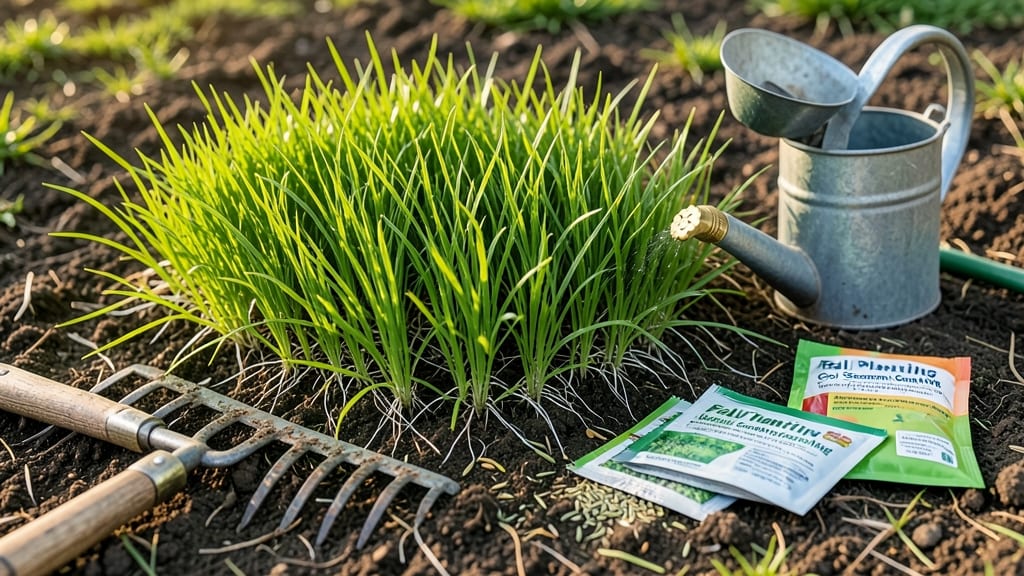
Planting grass seed in the fall is your golden ticket to a thicker, greener lawn—but timing it wrong can leave you with patchy results. The key lies in understanding your USDA zone, because cooler temperatures and reduced weed competition create the perfect conditions for root growth.
If you're in Zone 6a like many gardeners, aim to plant 4-6 weeks before your first frost—typically between September and October. This window gives your grass enough time to establish roots before winter dormancy sets in, setting you up for a lush spring lawn.
But what if you're in a different zone? Or how do you adjust for soil temperature and frost dates? I’ll break down the exact timing, common mistakes to avoid, and a simple checklist to ensure your grass seed thrives—no guesswork required.
Ready to transform your yard? Let’s dive into the science behind fall planting success and why this season is the best time to get it right.
Fall grass seed planting timeline by USDA Zone (with ideal temperature ranges)
Timing your grass seed planting in the fall is all about giving seeds 4-6 weeks of warm soil and cool air before winter dormancy. The ideal soil temperature for germination is between 50-65°F, which varies dramatically across USDA zones.
Plant too early, and weeds will outcompete your grass. Too late, and roots won’t establish before frost.
Northern climates (zones 3-5) have shorter windows, while Southern zones (8-11) can plant later. The key is always 4-6 weeks before first frost, but your exact window depends on your zone’s last warm spell. Let’s break it down by region for perfect timing.
| USDA Zone | Ideal Planting Window | Soil Temp Range (°F) | Key Notes |
|---|---|---|---|
| 3-4 | Mid-August to early September | 50-60°F | Short window; use cold-hardy varieties like Kentucky Bluegrass. |
| 5-6 | Late August to mid-October | 55-65°F | Best for Tall Fescue and Perennial Ryegrass mixes. |
| 7-8 | September to early November | 60-70°F | Perfect for Bermuda and Zoysia in warmer microclimates. |
| 9-11 | October to December | 65-75°F | Warm-season grasses thrive; avoid cool-season types. |
For example, if you’re in Zone 5, aim for late August to mid-September—this gives seeds time to sprout before soil temps dip below 50°F.
In Zone 9, you can push it to early November since frost arrives much later. Always check your local first frost date and count backward.
Pro tip: Use a soil thermometer to confirm temps are in the ideal range before planting. If soil is too cold (below 50°F), germination slows dramatically, leaving your lawn vulnerable to weeds. I’ve seen seed packets sprout in 3 days at 65°F versus 2 weeks at 50°F—huge difference!
Another critical factor is rainfall. Zones with dry falls (like Zone 7’s late October) may need supplemental watering to keep soil moist. In wetter zones (Zone 4’s September), you might need to adjust for excess moisture.
Always test your soil’s drainage first—waterlogged soil kills seeds faster than cold temps.
If you’re unsure about your zone, use the USDA Plant Hardiness Zone Map (available online) to pinpoint your exact location. Even a one-zone difference can shift your ideal window by 2-4 weeks.
For instance, Zone 6a (like Chicago) plants in late August, while Zone 6b (like Denver) waits until mid-September.
Remember: Cool-season grasses (like Fescue and Ryegrass) love fall planting, but warm-season grasses (like Bermuda) should be planted in late spring. Mixing types? Stick to cool-season in fall—warm-season won’t thrive in cooler temps. Always check your seed packet for specific planting instructions.
Finally, don’t forget that microclimates matter. A south-facing slope warms up faster than a north-facing yard, potentially extending your planting window by 1-2 weeks.
Observe your yard’s sun exposure and adjust accordingly. For example, my shady backyard in Zone 5 plants 2 weeks later than my sunny front lawn.
With the right timing, your grass will establish deep roots before winter, giving you a lush, weed-resistant lawn next spring. Miss the window, and you’ll spend next year playing catch-up with patchy growth. Let’s dive into the 5 critical factors that fine-tune your planting schedule beyond just your zone.
5 Critical factors that determine the best fall planting time (beyond your Zone)
Your USDA zone gives you a starting point, but the real magic happens when you fine-tune based on local conditions. Here’s what I check first: soil temperature, frost dates, rainfall, grass type, and even your yard’s microclimate. Each factor can shift your ideal planting window by weeks—sometimes even months!
First, soil temperature is non-negotiable. Grass seed needs soil between 50-65°F to germinate. Too cold (<45°F), and seeds rot; too hot (>75°F), and they dry out. Use a soil thermometer to test—this is your golden rule. If your zone’s average soil temps drop below 50°F by mid-September, wait until October.
Frost dates are your deadline. Plant 4-6 weeks before the first hard frost (when temps stay below 28°F for 24+ hours). This gives roots time to establish before winter dormancy. Check your local weather service or use the USDA Plant Hardiness Map to estimate. Pro tip: Add 7-10 days to the official frost date—urban areas often stay warmer.
Next, consider rainfall patterns. If your fall is typically dry (like in Zone 7b+), plant earlier and water deeply. If your area gets steady rain (like the Pacific Northwest), you can push planting later.
Aim for 1 inch of water per week—either from rain or irrigation—during germination. A rain gauge helps track this.
Your grass type matters more than you think. Cool-season grasses (like Kentucky bluegrass or fescue) thrive when planted in fall—they love cooler temps. Warm-season grasses (like Bermuda or Zoysia)? Plant in late spring—fall is their off-season. Always match your seed to your climate!
Finally, microclimates can create pockets of success. A south-facing slope stays warmer and dries faster than a north-facing shady spot. Test soil in multiple areas—if one spot stays warm longer, plant there first. Even a 5-foot difference in elevation can delay frost by days. Use this to your advantage!
Here’s my quick