
Planting
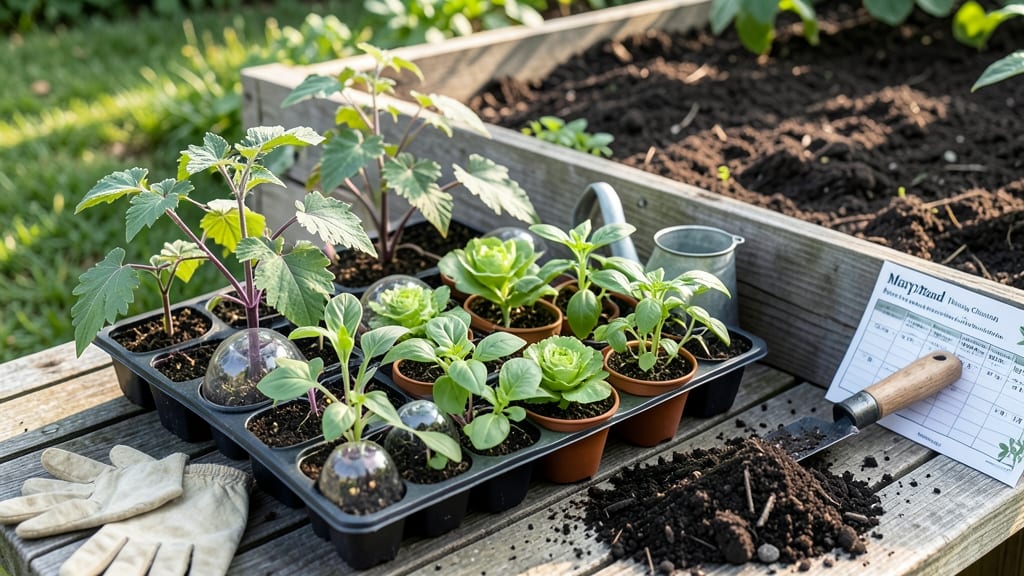
Timing your garden planting in Maryland isn’t just about the calendar—it’s about beating frost, understanding your 6a-7b zone, and knowing which 🌱 General Garden Vegetables & Herbs thrive when. Get it wrong, and you’ll either wait months for harvests or watch your seedlings turn into frost snacks.
The secret? Planting after mid-April’s last frost (or risking a late-March gamble) and sticking to a spring-fall schedule that aligns with Maryland’s unpredictable weather.
I’ve spent years tracking Maryland’s frost dates, and what I’ve learned is that late March to mid-May is your sweet spot for cool-season crops like lettuce and peas—while August to early September opens the door for heat-loving tomatoes and peppers.
But here’s the catch: urban gardeners in Baltimore might have a different timeline than rural farmers in Western Maryland, thanks to microclimates. Let me break down the exact windows you need to maximize your harvest.
You’ll also discover how to adjust for container gardening (soil warms faster!) and when to trust your local University of Maryland Extension for real-time updates. No more guessing—just a foolproof plan to turn your Maryland garden into a year-round success. Ready to dig in?
From peonies that bloom in May-June to blueberries that need a July-September start, this guide covers everything you need to know. Let’s make sure your garden grows when—and where—it’s supposed to.
Maryland’s frost-free planting deadlines by Zone (7 vs 8)
Maryland spans USDA Zones 7 and 8, with Zone 7 in the western mountains and Zone 8 along the coast. These zones dictate your last frost date—typically mid-April for Zone 7 and late March for Zone 8.
However, microclimates (like urban heat islands) can shift this by 1-2 weeks. Always verify with the Maryland Climate Hub for your exact location.
For cool-season crops (like lettuce and peas), you can plant as early as late February under frost cloth. But warm-season crops (tomatoes, peppers) must wait until after the last frost, when soil temps hit 60°F+.
Zone 8 gardeners gain an extra 2-3 weeks of growing season—critical for extending harvests into late October.
| Zone | Last Frost Date | First Planting Window | Peak Planting Months | Frost-Free Days |
|---|---|---|---|---|
| Zone 7 | Mid-April | Late April | May, August | 165-180 |
| Zone 8 | Late March | Early April | April, July | 180-190 |
Use this 14-day rule: If a late frost is forecasted within 2 weeks of planting, delay or use frost blankets. For Zone 7, prioritize fast-maturing varieties (like bush beans) to avoid fall frosts.
Zone 8 gardeners can experiment with second crops of basil or kale in late summer for a fall harvest.
For perennials like peonies, plant in early fall (September) to establish roots before winter. Bulbs like tulips go in October-November, while spring-blooming bulbs (daffodils) can handle Zone 7’s colder winters. Always amend soil with compost 4-6 weeks before planting to improve drainage and warmth.
Maryland’s first fall frost typically hits mid-October, but coastal areas (Zone 8) may delay until late October. Use this as your harvest deadline for frost-sensitive crops like squash and cucumbers. For hardy greens (kale, spinach), plant in late summer to harvest before frost sweetens them.
Pro tip: Succession plant every 2-3 weeks for continuous harvests. For example, sow lettuce in March, April, and August to avoid bolting (going to seed) from heat. Radishes mature in just 25 days, making them perfect for quick turnarounds between plantings.
If you’re in Zone 7’s higher elevations (e.g., Cumberland), expect 10-14°F colder nights than coastal areas. Adjust by planting heat-loving crops (like okra) in containers or near south-facing walls to trap warmth. Always monitor soil temperature with a soil thermometer—warm-season crops need 60°F+ soil.
For container gardening, warm up soil faster by placing pots on black plastic mulch or using heat mats. This lets you plant peppers and tomatoes 2-3 weeks earlier than in-ground gardens. Just ensure containers have drainage holes to prevent root rot from Maryland’s humid summers.
Track your local frost dates using the University of Maryland Extension’s Frost Calculator or apps like Old Farmer’s Almanac. These tools account for microclimates (e.g., Baltimore’s urban heat vs. Western Maryland’s valleys) and provide real-time alerts for frost warnings. Planning ahead ensures your garden thrives, not just survives!
Best vegetables to plant in Maryland by season (with exact timing)
Maryland’s 6-8 hour growing season means timing is everything for vegetables. Cool-season crops like lettuce and peas thrive in early spring, while warm-season favorites like tomatoes and peppers need to wait until after the last frost.
My go-to strategy? Start with cold-hardy greens in March, then transition to heat-lovers by May.
For Zone 7 (western MD), aim to plant warm-season crops by May 1st—any later risks stunted growth.
In Zone 8 (eastern MD), you’ve got until May 15th thanks to milder winters. Succession planting is your secret weapon: Sow lettuce every 2 weeks from March to August for nonstop harvests.
🌱 Maryland’s Top Vegetables by Season
- 1️⃣ Lettuce – Sow March 15-April 30; harvest in 45-60 days
- 2️⃣ Peas – Plant March 1-April 15; ready in 60-70 days
- 3️⃣ Spinach – Start March 1-April 10; harvest 30-40 days
- 4️⃣ Broccoli – Transplant April 1-May 15; harvest 50-70 days
- 1️⃣ Tomatoes – Transplant May 15-June 15; harvest 60-85 days
- 2️⃣ Peppers – Plant May 1-April 30; ready in 70-90 days
- 3️⃣ Cucumbers – Sow May 15-June 10; harvest 50-70 days
- 4️⃣ Zucchini – Plant May 15-June 15; harvest 45-55 days
- 1️⃣ Kale – Transplant July 15-August 31; harvest 50-60 days
- 2️⃣ Carrots – Sow August 1-September 15; harvest 60-80 days
- 3️⃣ Radishes – Plant August 1-September 10; ready in 25-30 days
- 4️⃣ Green Onions – Sow August 15-September 15; harvest 30-40 days
Pro tip: Maryland’s humidity can stress summer crops. Use mulch to retain moisture and shade cloth for delicate greens. I swear by drip irrigation to avoid fungal diseases from overhead watering.
Don’t forget herbs! Basil and cilantro thrive in Maryland’s heat but need consistent watering. Plant basil after May 15—it’s frost-sensitive—and cilantro in early spring or fall to avoid bolting in summer’s heat.
For container gardening, stick to compact varieties like bush beans or cherry tomatoes. These do well in 5-gallon pots and can be moved to sunniest spots as the season progresses.