
Plants
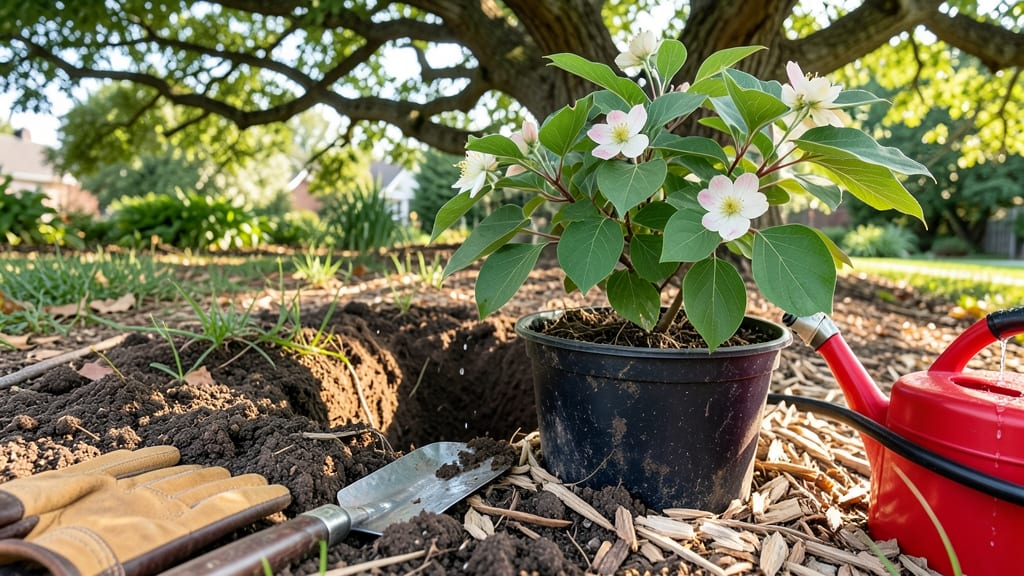
Planting a dogwood tree 🌳 in fall might seem like a gamble—after all, frost is lurking—but timing it right gives your tree a head start on root growth before winter dormancy.
The secret lies in that sweet spot between warm soil and the first freeze, where roots can establish deep without stress.
If you're in USDA Zone 6a (or similar), mid-to-late fall is your best bet—typically after leaf drop but before the ground hardens. Cooler temps actually work in your favor, reducing transplant shock and giving your dogwood tree time to settle in before winter.
But here's where most gardeners go wrong: they wait too late or don't prep the soil properly. I'll walk you through the exact soil temperature triggers, regional adjustments, and pre-frost prep checklist to ensure your tree thrives—not just survives—the first winter.
Ready to plant with confidence? Let's break down the critical window and steps to set your dogwood up for years of vibrant blooms and lush foliage.
Optimal fall planting window for dogwood trees based on soil temperature
Planting your dogwood tree in fall offers cooler temperatures and moist soil—perfect conditions for root establishment. The ideal window is when soil temps hover between 40°F and 50°F (4°C–10°C), allowing roots to grow without stressing the tree.
This typically falls in mid-September to early November, depending on your USDA zone. In colder regions (zones 5-6), aim for early fall; in warmer zones (7-9), late fall works best.
Soil temperature is more critical than air temperature for root growth. A soil thermometer (inserted 4 inches deep) is your best tool to track conditions. If temps drop below 40°F (4°C), roots slow or stop growing, increasing frost risk.
Always plant at least 6–8 weeks before your first frost date to ensure roots have time to anchor before winter dormancy.
Dogwoods thrive in well-draining, slightly acidic soil (pH 5.0–6.5). If your soil is heavy clay or sandy, amend it with organic matter like compost or peat moss before planting.
This improves moisture retention and aeration, which are vital for young roots. A quick soil test kit can confirm pH levels and guide amendments.
Regional variations matter—northern climates (zones 5-6) should plant by late September to avoid early frosts, while southern zones (7-9) can extend planting until mid-November. Urban areas may experience microclimates with warmer pockets; monitor local weather patterns to adjust timing.
For example, a city park might stay warmer than surrounding rural fields.
🌱 Fall Planting Timeline for Dogwood Trees
| Stage | Action | Soil Temp |
|---|---|---|
| Soil Prep | Test pH, amend with compost | 50–60°F (10–15°C) |
| Planting Window | 6–8 weeks before frost | 40–50°F (4–10°C) |
| Root Establishment | Water deeply, mulch | 35–40°F (2–4°C) |
| Frost Protection | Add mulch, wrap young trees | Below 32°F (0°C) |
✅ Pro Tip: Use a soil thermometer to track temps—roots need 4+ weeks at 40–50°F to establish.
Once planted, dogwoods need consistent moisture but avoid waterlogged soil, which can suffocate roots. Water deeply once a week (or bi-weekly in rainier zones) until the ground freezes.
A 3-inch layer of mulch around the base insulates roots and retains moisture. Just keep mulch 6 inches away from the trunk to prevent rot.
If you miss the ideal window, late fall planting (December) is still possible in USDA zones 7–9, but prioritize frost protection. Wrap the trunk with burlap and cover with straw mulch to shield from cold snaps.
In colder zones, delay until early spring when soil warms to 50°F (10°C) or higher.
Dogwoods planted in fall show 30–50% faster growth the following spring compared to spring-planted trees. This is because roots establish during the cooler, wetter fall, giving the tree a head start.
Just ensure your site has partial shade (4–6 hours of sun) and protection from strong winds, which can dry out young roots.
For container-grown dogwoods, fall planting is even more flexible. Remove the tree from its pot, inspect roots, and plant at the same depth as it was growing.
This method works well until 2–3 weeks before frost, as roots adapt faster in cooler soil. Just water thoroughly after planting to eliminate air pockets.
Remember: Soil temperature > air temperature for root growth. Use a soil thermometer to avoid guesswork, and adjust your planting date based on local frost forecasts. With the right timing, your dogwood will reward you with vibrant blooms and lush foliage for decades.
Optimal fall planting window for dogwood trees based on soil temperature
Planting your dogwood tree in fall gives roots a head start before winter dormancy, but timing is critical. The ideal window is when soil temperatures drop to 40-50°F (4-10°C), allowing roots to establish without freezing.
This typically occurs 6-8 weeks before your first frost date, usually in September or October for most U.S. regions.
Soil temperature is more important than air temperature—roots need warmth to grow, but not so warm that the tree sprouts new growth before winter. In USDA zones 5-7, aim for mid-September to early October, while zones 8-9 can plant until November.
Always check your local frost dates to avoid planting too late.
🌱Why soil temperature matters: Dogwood roots grow best in 50-60°F (10-15°C) soil. Below 40°F (4°C), growth slows; below 32°F (0°C), roots risk damage. Use a soil thermometer to confirm conditions before planting.
| Soil Temp Range | Planting Window | USDA Zones | Root Activity |
|---|---|---|---|
| 50-60°F (10-15°C) | Late August - Early September | 5-7 | Active growth |
| 40-50°F (4-10°C) | Mid-September - October | 6-9 | Slow growth, root hardening |
| Below 40°F (4°C) | November - December | All zones | Dormancy begins |
In cooler climates (zones 5-6), prioritize planting by October 15 to ensure roots harden before frost. In warmer zones (8-9), you can extend planting until November 15, but avoid planting after the first frost—even if soil is still warm.
Dogwoods planted too late may not establish roots before winter, leading to poor survival rates.
🌡️Pro tip: If your soil is too warm (above 60°F/15°C), delay planting until temperatures drop. Use mulch to regulate soil temperature and retain moisture while roots establish.
Aim for 3-4 inches of organic mulch around the base but keep it 6 inches away from the trunk to prevent rot.
Regional variations matter—check your local cooperative extension service for precise frost dates. For example, New England may need to plant by September 15, while the Southeast can plant until mid-November. Always plant at least 6 weeks before frost to avoid stressing young roots.