
Planting
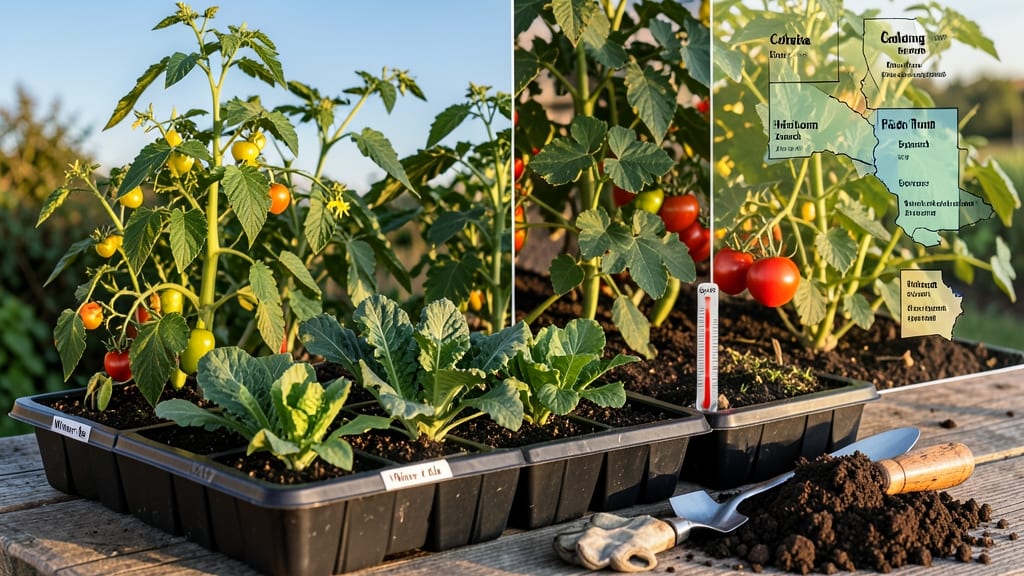
Timing when to plant a garden in Colorado isn’t just about following a calendar—it’s about outsmarting the state’s unpredictable frosts and scorching summers that can turn your hard work into a gamble.
Whether you’re a first-time gardener or a seasoned pro, getting those 🌱 General Garden Plants in the ground at the wrong time means bolting seedlings or wilted harvests before you even taste success.
The key? Knowing when to start seeds indoors, when to transplant, and how to stretch your growing season with heat-tolerant varieties like okra or sweet potatoes. Colorado’s USDA Zones 4-7 throw a curveball—what works in Denver’s Front Range might fail on the Western Slope’s high desert.
I’ll break down the exact windows for your region, so you can avoid the 3 most common mistakes that ruin gardens before they even begin.
Ready to turn your plot into a year-round harvest? You’ll discover how to time your plantings for zero bolt risk, which crops thrive in Colorado’s heat, and how to push your last frost date back with simple tricks.
From April’s last frost to September’s fall crops, this guide gives you the confidence to plant like a local, no matter where in Colorado you’re growing. No more guesswork, just green thumbs and golden harvests ahead.
Colorado planting zones & heat-tolerant varieties by month
Colorado’s diverse climate—spanning USDA Zones 4-8—means your planting schedule depends heavily on elevation and location. The Front Range (Denver, Boulder) typically has 90-120 frost-free days, while the Western Slope (Grand Junction) enjoys 150+ days.
High-altitude areas like Steamboat Springs (Zone 5) face earlier frosts than Albuquerque (Zone 7), just across the border.
To simplify, I’ve broken down planting windows by month and crop type, with a focus on heat-tolerant varieties that thrive in Colorado’s intense summers. These include okra, sweet potatoes, black-eyed peas, and malabar spinach, which handle temperatures above 90°F without bolting or wilting.
🌱
For high-altitude gardens (7,000+ ft), like those in Leadville or Aspen (Zone 5), shift planting 2-3 weeks later than the Front Range. These areas benefit from shorter-season varieties like ‘Early Girl’ tomatoes (65 days) or ‘Quick Pick’ cucumbers (50 days) to avoid frost.
In Zone 7-8 areas (Alamosa, Colorado Springs foothills), you can push limits with longer-season crops like ‘Cherokee Purple’ tomatoes (80+ days) or ‘Crimson Sweet’ watermelons. Just monitor soil moisture—drought stress accelerates in July and August.
🌡️
Pro tip: Use Colorado State University’s Frost/Freeze Probability Maps to pinpoint your local last-frost date. For example, Grand Junction averages April 1 for last frost, while Fort Collins waits until May 10. Adjust your seed-starting indoors accordingly—peppers need 8-10 weeks before transplanting!
🌱
Avoiding common mistakes: how to adjust planting for Colorado’s microclimates
Colorado’s microclimates can turn your gardening plans upside down if you don’t account for them. The Front Range might have late spring frosts in May, while the Western Slope bakes by June.
Even within Denver, urban heat islands can push temperatures 10°F hotter than nearby suburbs. Understanding these variations is key to avoiding seedling loss or stunted growth.
For example, Colorado Springs (USDA Zone 5-6) often sees its last frost around May 15, while Grand Junction (Zone 7) might not freeze until October 1. High-altitude areas like Fort Collins (Zone 4-5) can experience unpredictable late frosts even after Memorial Day.
Always check your local CoCoRaHS station or Almanac frost dates—they’re your best friends for accurate planting windows.
- Front Range: Late frosts can hit after May 20—wait until June 1 for heat-lovers like tomatoes.
- Western Slope: Soil heats up fast—plant shade-tolerant greens like kale in August for fall harvests.
- Mountain Valleys: Cold air sinks—protect seedlings with row covers even in June.
Pro Tip: Use frost cloth for 2-3 weeks after transplanting in Zone 5 areas.
Another common mistake? Ignoring soil temperature. Even if your last frost date has passed, cold soil can stunt root growth. Use a soil thermometer—most vegetables need soil at 50°F+, while peppers and eggplants require 65°F+.
In Denver’s urban areas, asphalt and concrete can create micro-heat zones where soil warms 2 weeks faster than rural areas.
For high-altitude gardens (above 7,000 ft), short growing seasons mean you’ll need to start seeds indoors by March 1 for early summer harvests. Use grow lights to extend daylight to 14-16 hours—this tricks plants into thinking it’s summer and speeds up growth.
In dry climates like the San Luis Valley, mulch heavily to retain moisture; straw or wood chips can keep soil 10°F cooler than bare ground.
Watch for heat stress signs in seedlings: yellowing leaves, drooping stems, or white flowers (a sign of bolting).
If you see these, provide shade cloth or move containers to partial shade until temperatures drop. Succession planting—sowing every 2 weeks—ensures a steady harvest even if early plantings fail due to unexpected cold snaps.
Finally, adjust your watering schedule by microclimate. Front Range gardens may need daily watering in July, while Western Slope gardens can stretch water to every 3 days thanks to lower humidity.
Always water deeply in the morning to prevent fungal diseases like powdery mildew, which thrives in Colorado’s dry heat.
By accounting for these microclimate quirks, you’ll turn Colorado’s challenges into opportunities for a longer, more productive growing season. Start with your local Cooperative Extension office for hyper-local advice—every square mile can feel like a different garden! 🌱