
Plants
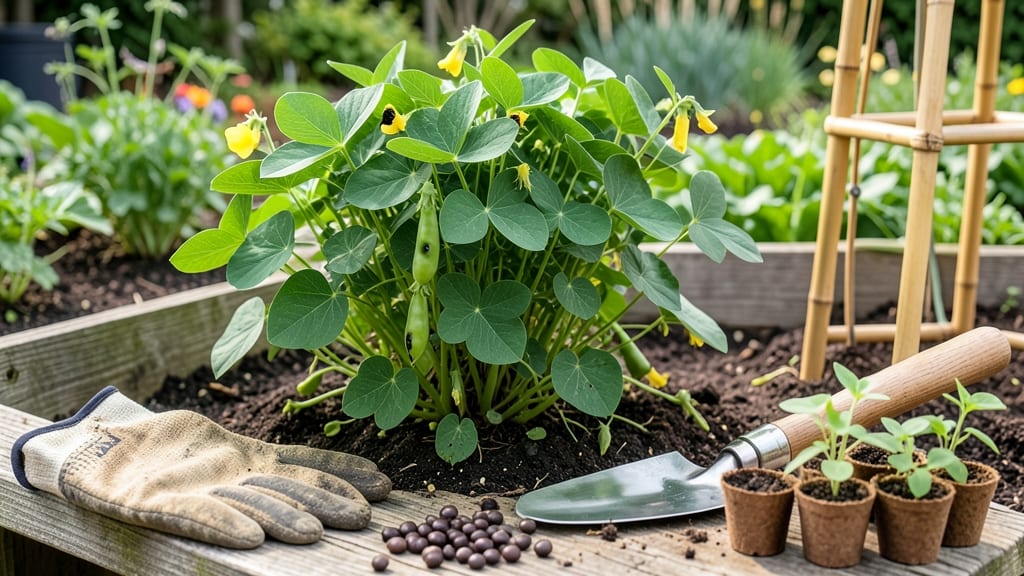
Timing your black-eyed pea planting in Texas can mean the difference between a thriving harvest and a sad, wilted garden. These heat-loving legumes demand precision—plant too early, and they’ll bolt in the summer sun; too late, and you’ll miss the sweet spot for tender pods.
Texas gardeners face unique challenges with its 8a-11 climate zones, where frost dates shift dramatically from North to South.
Whether you’re in North Texas or down in the Rio Grande Valley, knowing the perfect planting window—whether it’s late February or September—is key to avoiding extreme heat or early frost.
I’ve tested the most heat-resistant varieties and soil prep tricks to help you grow black-eyed peas fast and reliably. From soil pH tweaks to choosing the right seeds, I’ll walk you through everything you need to know to make this year your best harvest yet.
Skip the guesswork and let’s get those 🌱 black-eyed pea seeds in the ground at the ideal time for your Texas zone—because timing isn’t just important, it’s everything.
Best planting windows for black eyed peas in Texas by climate zone
Black-eyed peas thrive in Texas’ warm climate, but timing is critical to avoid summer bolting or frost damage. Texas spans USDA Zones 7-11, so planting windows vary dramatically. North Texas gardeners (Zones 7-8) have shorter growing seasons, while South Texas (Zones 9-11) can grow year-round with proper planning.
For spring planting, aim for 4-6 weeks before your last frost date. In North Texas, this means late February to early March. South Texas gardeners can start as early as January but must finish harvesting before summer heat peaks.
Fall planting should begin 60-90 days before your first frost—typically September to October—to ensure mature pods before winter.
Here’s how Texas’ three regions break down for optimal planting:
| Region | USDA Zone | Spring Planting Window | Fall Planting Window | Key Consideration |
|---|---|---|---|---|
| North Texas | 7-8 | Late February–Early March | September–October | Avoid late spring heat |
| Central Texas | 8a-9a | Early March–Mid-April | August–September | Second crop possible in fall |
| South Texas | 9b-11 | January–February | September–October | Year-round potential with shade |
In North Texas, where last frosts can hit as late as February 15, plant seeds indoors in late January for transplants. Central Texas gardeners enjoy a longer window—sow seeds directly in early March for spring or August for a fall harvest.
South Texas gardeners can push boundaries: January sowings yield early spring pods, while fall plantings in September avoid summer’s extreme heat.
For second crops, Central and South Texas gardeners can try a late summer planting (August) if you provide partial shade and consistent moisture. However, avoid planting after mid-August—the heat will stunt growth. Use row covers to protect young plants from sudden temperature drops in fall.
Texas’ frost-free days vary wildly: 210 days in North Texas vs. 300+ days in South Texas. Plan accordingly—South Texas gardeners can experiment with year-round plantings in shaded beds, while North Texas growers should focus on spring and fall for reliable yields.
Pro tip: Check your local AgriLife Extension office for precise frost dates—Texas’ microclimates can shift planting windows by 2-3 weeks even within the same county. For example, Dallas (Zone 8a) may have a later frost than Amarillo (Zone 7b).
Black-eyed peas are heat-tolerant but will bolt prematurely if planted too early in spring. Start seeds when soil temps reach 60°F—use a soil thermometer to monitor. In South Texas, where summer temps exceed 100°F, prioritize fall plantings and use mulch to retain moisture.
🌱
Best planting windows for black eyed peas in Texas by climate zone
Texas’ diverse climate zones—from North Texas’ chilly winters to South Texas’ long summers—mean black-eyed peas need precise timing to thrive.
In USDA Zones 7-8 (North Texas), aim for late February to early March for spring planting, while Zones 9-11 (South Texas) gardeners should sow seeds in September to October to avoid summer heat stress.
Missed the spring window? Don’t worry! Texas gardeners can often squeeze in a fall crop by planting 60-90 days before first frost. For example, in Central Texas (Zone 8), this means late August to early September—just in time to harvest before winter sets in.
| Region | USDA Zone | Spring Planting | Fall Planting | Harvest Window |
|---|---|---|---|---|
| North Texas | 7-8 | Late Feb - Early Mar | Late Aug - Early Sep | Apr-May & Nov-Dec |
| Central Texas | 8a-8b | Early Mar - Mid-Mar | Late Aug - Early Sep | Apr-May & Nov-Dec |
| South Texas | 9-11 | Sep-Oct (fall only) | Sep-Oct | Nov-Jan |
Pro tip: Use row covers in early spring to protect tender seedlings from late frosts (28°F or below), which can stunt growth. In South Texas, focus solely on fall planting—spring heat will cause black-eyed peas to bolt prematurely.
For a second crop, try succession planting every 2-3 weeks in spring. This extends your harvest window and maximizes yield. Just remember: never plant in summer—the heat will turn your peas into bitter, stringy messes.
Check your local frost dates (available via Texas A&M AgriLife Extension) to fine-tune your schedule. In East Texas (Zone 8a), for example, the last frost typically occurs around March 15, giving you a 4-6 week head start before planting.
Timing isn’t just about months—it’s about soil temperature. Black-eyed peas germinate best in 60-85°F soil. Use a soil thermometer to confirm readiness before sowing seeds. In West Texas (Zone 8b), wait until soil warms to 70°F+ to avoid slow germination.