
Plants
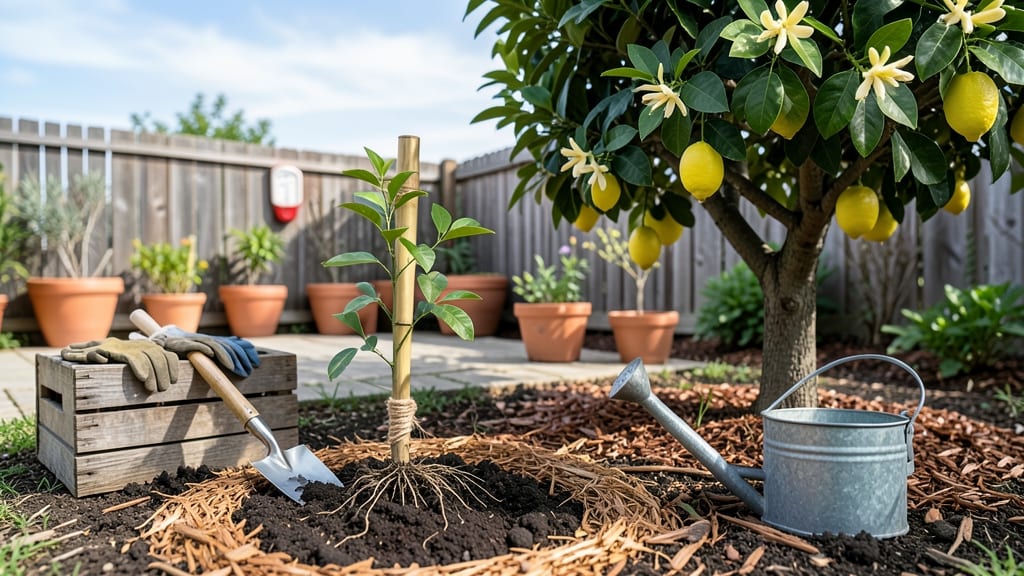
Planting a 🍋 lemon tree in Louisiana can feel like a gamble—get the timing wrong, and you might end up with a sad, stunted sapling instead of a thriving citrus tree.
The key to success? Knowing exactly when to plant so your tree survives the state’s sweltering summers and occasional late frosts.
Most gardeners in USDA Zones 8a-9b swear by planting between February and March, right after the last frost date.
But there’s more to it than just picking a month—soil prep, variety selection, and even container vs. in-ground planting all play a role in whether your lemon tree takes root and flourishes.
If you’re dreaming of homegrown lemons year-round, you’ll want to learn how to time it perfectly for your specific Louisiana microclimate.
Whether you’re a first-time grower or a seasoned gardener, these insights will help you avoid common pitfalls and set your tree up for peak production in just a few seasons.
Let’s break down the exact steps—and the best heat-tolerant varieties—to ensure your lemon tree not only survives but thrives in Louisiana’s unique growing conditions.
Best planting months for lemon trees in Louisiana’s climate zones
Louisiana’s humid subtropical climate creates ideal conditions for growing lemon trees—but timing your planting is critical to avoid frost damage or heat stress.
The best windows are late winter to early spring (February–March) and early fall (September–October), aligning with the state’s USDA Zones 8a–9b and average 250 frost-free days.
For in-ground planting, aim for after the last frost date (February 15) in most regions. This gives roots time to establish before summer’s 90°F+ temperatures. Container planting offers flexibility—you can plant year-round in warmer zones (9a–9b) but still follow seasonal rules for best results.
Here’s why these months work best: February–March provides cool soil temperatures (60–70°F), reducing transplant shock, while September–October lets trees root before winter’s mild chill. Avoid planting in summer (June–August)—the intense heat and humidity stress young trees, increasing fungal risks like citrus greening disease.
Louisiana’s microclimates matter too. Coastal areas (e.g., New Orleans, Lafayette) can plant 1–2 weeks earlier than inland zones (e.g., Shreveport, Monroe). Use your local frost data—check the National Weather Service for your county’s last frost date.
| Planting Window | Climate Conditions | Key Benefits | Risks to Avoid |
|---|---|---|---|
| February–March | Cool soil (60–70°F), low humidity | Strong root growth before summer heat | Late frost (after Feb 15) |
| September–October | Warm days, cooling nights | Establishes roots before winter chill | Hurricane season (Sept–Oct) |
| January (coastal only) | Mild temps (55–65°F) | Early harvest potential | Frost risk in inland areas |
| April (inland only) | Warming soil (70–80°F) | Avoids peak summer stress | Drought stress in containers |
If you’re container-growing, spring planting (March–April) is ideal—containers heat up faster, and you can move pots indoors during winter frosts (below 32°F). For in-ground trees, fall planting (September) gives roots 3–4 months to establish before summer’s next year.
Watch for hurricane season (June–November)—if planting in September–October, secure young trees with stakes and burlap wraps to prevent wind damage. Citrus trees hate soggy roots, so prioritize well-draining soil (amend clay with compost and sand for 60% drainage).
For dwarf varieties (8–12 ft), February planting is safest—smaller roots establish faster in cooler soil. Standard trees (15–25 ft) need September planting to handle Louisiana’s heavy summer rains without fungal issues. Always water deeply after planting to encourage root spread.
Louisiana’s high humidity (70–80%) can lead to root rot if drainage is poor. Test your soil’s percolation rate—water should drain within 2–4 hours. If it pools, raise beds or add gravel to improve airflow at the roots.
Finally, avoid planting during summer (June–August)—the combination of heat, humidity, and pests (like citrus leaf miners) can kill young trees in 2–4 weeks. Instead, start seeds indoors in January for transplanting in March, giving your tree a 2-month head start.
Best planting months for lemon trees in Louisiana’s climate zones
Louisiana’s humid subtropical climate creates the perfect conditions for growing lemon trees, but timing is critical. The ideal planting window spans February through March after the last frost date, which typically falls around February 15 in most regions.
This timing allows young trees to establish roots before the scorching summer heat sets in.
For those in northern Louisiana (USDA Zone 8a), late winter planting is safest. In southern Louisiana (Zone 9a), you can extend planting into early April without risking frost damage.
However, avoid planting during summer months—the intense heat and humidity can stress young trees and lead to transplant shock.
A second planting window opens in September through October, ideal for container-grown lemon trees. This timing allows trees to establish roots before winter dormancy begins.
Just be sure to protect young trees from potential early cold snaps, which can occur as early as December 1 in some areas.
| Planting Window | Best For | Key Consideration |
|---|---|---|
| February - March | In-ground planting | Avoids frost risk; roots establish before summer heat |
| September - October | Container planting | Allows root growth before winter dormancy |
| January (northern LA) | Early in-ground | Risk of late frost; use frost cloth if needed |
| April (southern LA) | Extended in-ground | Hotter soil speeds root growth but requires shade |
When planting in February or March, focus on soil preparation—amend heavy clay soils with organic matter like compost or pine bark fines to improve drainage. Louisiana’s high humidity and clay-heavy soils can suffocate roots if not properly amended.
Choose a sunny, sheltered location to protect your tree from hurricane winds and heavy rains.
For container planting, September offers a second chance to plant lemon trees. Containers allow you to move trees indoors during winter months when temperatures drop below 40°F.
Use a well-draining potting mix and ensure containers have drainage holes to prevent root rot—a common issue in Louisiana’s high humidity.
Remember, lemon trees are frost-sensitive—even a light frost can damage young trees. If you’re in Zone 8a, consider using frost blankets or planting near a southern-facing wall for extra protection. With the right timing and care, your lemon tree can thrive year-round in Louisiana’s climate.