
Plants
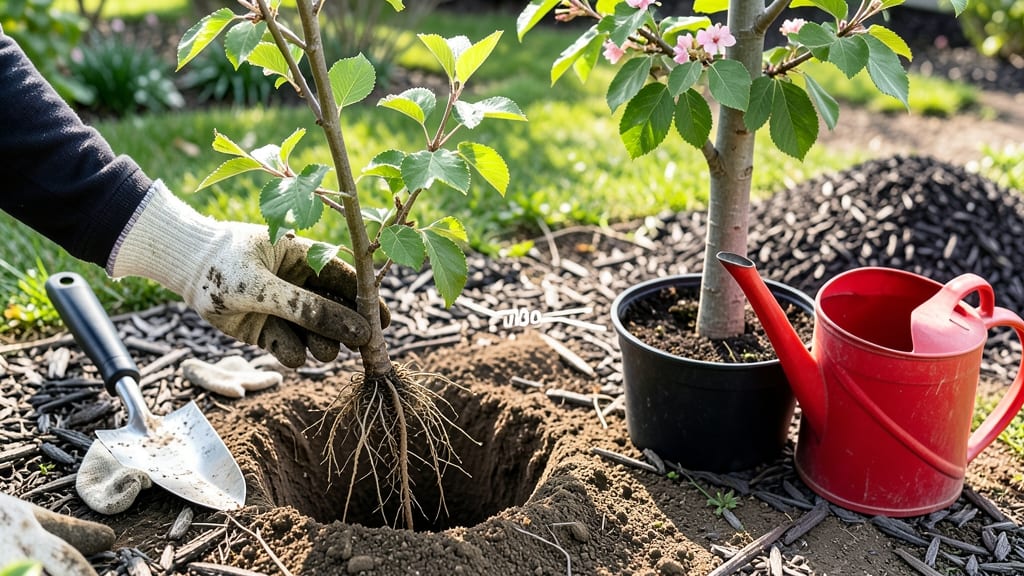
Timing your 🍑 peach tree planting in Texas isn’t just about the calendar—it’s about surviving the state’s brutal heat and unpredictable frosts. Plant too early, and a late freeze could wipe out your young tree; too late, and summer’s scorching sun will stunt its growth before it even takes root.
Texas gardeners know the secret lies in the chill-hour zones, where North Texas (like Dallas) needs 800+ hours of winter chill, while South Texas (like San Antonio) thrives with just 400-600 hours.
This means your ideal window could be November-December in the Panhandle or February-March in the Rio Grande Valley—a stark difference that makes variety selection just as critical as timing.
But here’s the good news: with the right heat-resistant varieties and a few smart prep steps, you can grow peaches that actually ripen in Texas.
I’ll walk you through the exact months to plant, soil tricks to beat the heat, and how to protect your tree from both frost and drought—so you’re not left with a sad, sunburned sapling by summer.
Ready to turn your backyard into a peach orchard? Let’s dive into the perfect planting schedule, regional hacks, and care tips that’ll have your tree bearing fruit in no time.
Texas chill-hour Zones: best planting months by region
Texas spans multiple chill-hour zones, from 400 hours in South Texas to 1,000+ hours in North Texas. This means planting timing varies drastically—what works in El Paso (Zone 8a) fails in Houston (Zone 9a).
Let’s break it down by region so you pick the perfect window for your peach tree.
Peach trees need chill hours (temperatures between 32°F and 45°F) to break dormancy. Too few chill hours = poor fruit set. Too many? Late frosts can kill young trees. Texas’ variable climate makes this tricky, but we’ve got you covered.
North Texas (Zones 7b-8a)—think Amarillo, Lubbock, and Dallas—has 600-1,000 chill hours. This is ideal for traditional peach varieties like 'Redhaven' or 'Elberta'. Plant bare-root trees in November-December while they’re dormant. For container-grown trees, wait until February to avoid winter stress.
Central Texas (Zones 8a-8b), including Austin and San Antonio, gets 400-600 chill hours. Here, low-chill varieties like 'Contender' or 'Springcrest' thrive. Plant in late January-February to balance frost risk and heat stress.
South Texas (Zones 9a-10a), from Corpus Christi to Brownsville, only sees 200-400 chill hours. Stick to ultra-low-chill varieties like 'Tropic Beauty' or 'Tropic Snow'. Plant in February-March—earlier risks freeze damage, and later means scorching summer heat.
Pro tip: Check your local frost dates—North Texas averages last frost by March 15, while South Texas sees first frosts as early as November 1. Use the National Weather Service or Texas A&M AgriLife for precise data.
If you’re in West Texas (e.g., Midland, Odessa), aim for December planting to avoid scorching summer winds. In East Texas (e.g., Tyler, Longview), February is safest—humidity here can stunt root growth if planted too early.
For container-grown peach trees, Texas’ mild winters (Zones 8b+) let you plant year-round. But spring (March-April) is still ideal for root establishment before summer heat hits. Just acclimate potted trees gradually to outdoor temps to avoid transplant shock.
Remember: Soil temperature matters too. Wait until soil warms to 60°F+ (use a soil thermometer) before planting. Cold soil = slow root growth and increased disease risk. In South Texas, this might not happen until late March.
Finally, mulch heavily after planting to retain moisture and regulate soil temps. Use 2-3 inches of wood chips and keep it 6 inches from the trunk to prevent rot. This is non-negotiable in Texas’ extreme heat.
Texas chill-hour Zones: best planting months by region
Texas spans multiple chill-hour zones, from 300 hours in South Texas to 1,000+ hours in the Panhandle. Peach trees need 400-1,000 chill hours to fruit properly, so choosing the right variety and planting window is critical.
North Texas gardeners can plant in November-December, while South Texas gardeners should wait until February-March.
In North Texas (Zones 7b-8a), like Dallas and Fort Worth, aim for late winter (February) when soil is workable but before buds swell. This gives roots time to establish before spring heat arrives.
For Central Texas (Zones 8a-8b), such as Austin and San Antonio, March is ideal—after the last frost risk but before summer’s brutal heat.
South Texas (Zones 9a-10a), including Houston and the Rio Grande Valley, has minimal chill hours, so low-chill varieties like 'Redhaven' or 'Contender' are best. Plant in February-March to avoid late frosts that can damage new growth.
Always check your local frost-free date—North Texas averages February 15, while South Texas sees January 1.
| Region | Chill-Hour Zone | Best Planting Month | Recommended Varieties |
|---|---|---|---|
| North Texas | 7b-8a (600-800 hrs) | November-December | 'Elberta', 'Redhaven', 'Contender' |
| Central Texas | 8a-8b (500-600 hrs) | February-March | 'Suncrest', 'Contender', 'Flavorgrande' |
| South Texas | 9a-10a (300-400 hrs) | February-March | 'Redhaven', 'Contender', 'Fantasia' |
If you’re in West Texas (Zones 8a-9a), like Lubbock or Midland, late winter (February) is your best bet—soil warms quickly, and drought-resistant varieties like 'Contender' thrive here. Always amend soil with compost to improve water retention, as Texas clay or sandy soils can stress young trees.
For container-grown peach trees, you can plant year-round in mild zones (8b-10a), but spring (March-April) still offers the best success. Containers dry out faster in Texas heat, so water deeply 2-3 times per week during the first year. Use a well-draining potting mix to prevent root rot.
Pro tip: Mulch heavily (3-4 inches) with wood chips or straw to retain moisture and regulate soil temperature. This is especially critical in South Texas’s intense summer heat, where mulch can reduce water needs by up to 30%. 🌱