
Planting
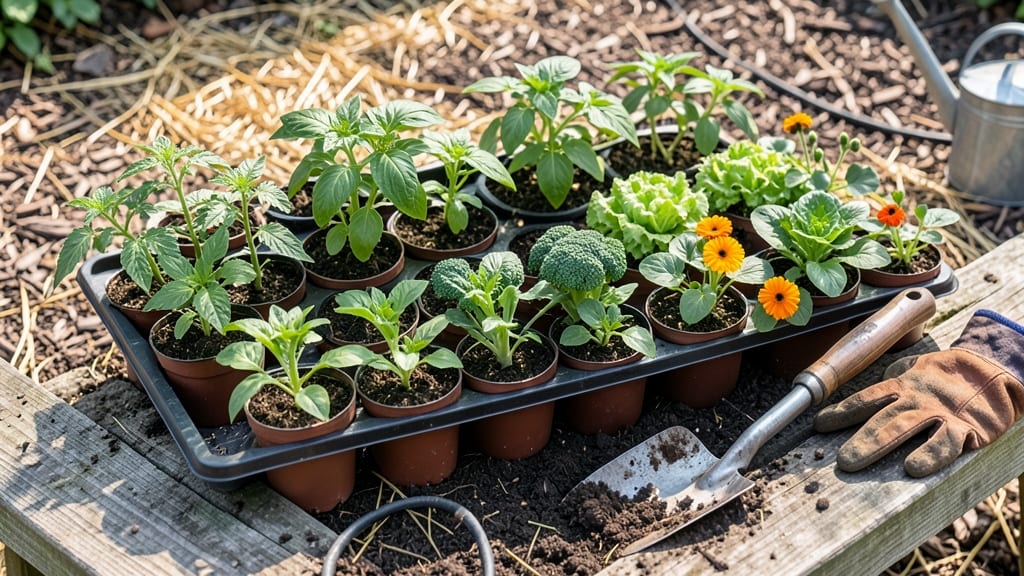
Timing when to plant a vegetable garden in NJ isn’t just about throwing seeds in the dirt—it's about working with the state's unpredictable weather to maximize your harvest.
Get the planting schedule wrong, and you might end up with frost-nipped lettuce or blight-ridden tomatoes before you even taste your hard work.
With USDA zones 6a-7b and microclimates ranging from coastal breezes to inland heat, knowing when to plant each crop can feel like solving a puzzle. The key? Understanding your last frost date—typically around April 15—and adjusting for cool-season vs. warm-season plants.
In this guide, I’ll break down exactly when to plant your 🥬 vegetable garden for two successful growing seasons: spring (mid-April to mid-June) and fall (late July to mid-August).
Whether you're a beginner or a seasoned gardener, these timelines will help you avoid common mistakes and get the most out of your garden.
Ready to turn your green thumb into a bountiful harvest? Let’s dive into the perfect planting schedule for New Jersey’s diverse climate—and keep those veggies thriving from June through November.
NJ last frost dates by region: critical timelines for planting cool-season vs. warm-season vegetables
New Jersey's diverse climate—from coastal beaches to inland valleys—means last frost dates can vary by 1-2 weeks across regions. Understanding these timelines is key to avoiding frost damage to tender seedlings and maximizing your harvest yield.
Northern NJ (USDA Zone 6a) typically sees its last frost around April 22, while Southern NJ (Zone 7b) averages April 15. Central NJ falls somewhere in between, usually April 18-20.
For cool-season crops like lettuce, spinach, and broccoli, planting 4-6 weeks before the last frost date ensures they mature before summer heat sets in. Meanwhile, warm-season crops such as tomatoes, peppers, and cucumbers need to wait until 2 weeks after the last frost to thrive.
Coastal areas may experience later frosts due to moderating ocean breezes, so adjust your schedule accordingly.
Here’s a quick reference for key planting windows based on NJ’s three main regions, along with the most popular vegetables to grow in each season:
| Region | Last Frost Date | Cool-Season Planting Window | Warm-Season Planting Window | Fall Planting Window |
|---|---|---|---|---|
| Northern NJ (Zone 6a) | April 22 | March 20 - April 15 | May 5 - June 1 | August 1 - September 1 |
| Central NJ (Zone 6b-7a) | April 18-20 | March 10 - April 10 | April 30 - May 15 | July 20 - August 15 |
| Southern NJ (Zone 7b) | April 15 | February 28 - March 31 | April 15 - April 30 | July 10 - August 10 |
For example, if you're in Northern NJ, start planting cool-season crops like kale or peas as early as March 20, while warm-season crops like tomatoes or peppers should wait until May 5.
In Southern NJ, you can push the envelope further—planting lettuce as early as late February and tomatoes by mid-April.
Microclimates also play a role. Urban gardens in cities like Newark or Jersey City may experience heat islands, delaying spring planting by 1-2 weeks. Conversely, rural areas in the Pine Barrens can have earlier frosts due to cooler nights.
Always monitor local weather forecasts and consider using frost-sensitive plant indicators, like marigolds, to signal when it’s safe to plant.
Pro tip: Use row covers or cold frames to extend your spring planting window by 2-3 weeks, especially for heat-loving crops like eggplants or okra.
These tools create a microclimate that traps heat and protects tender seedlings from unexpected late spring frosts, which are not uncommon in NJ.
Fall planting is equally critical. In Northern NJ, aim to sow cool-season crops like spinach or radishes by August 1 to ensure they mature before the first frost in late October.
In Southern NJ, you can push fall planting until mid-September for crops like broccoli or carrots. Always calculate your days to maturity—most cool-season crops need 30-60 days to harvest, so plan backward from your expected first frost date.
Don’t overlook succession planting for continuous harvests. For example, plant bush beans every 2 weeks from May to July to enjoy fresh pods all summer. Similarly, stagger lettuce plantings every 3 weeks from March to September to avoid bolting during heatwaves.
This strategy maximizes your garden’s productivity and ensures you always have something to harvest.
Finally, keep a gardening journal to track your local frost dates and adjust future planting schedules. Over time, you’ll refine your timing to match your specific microclimate, leading to healthier plants and bigger yields.
With these timelines in hand, you’re ready to dive into your NJ vegetable garden with confidence!
How to extend your NJ growing season: succession planting and frost protection techniques for year-round harvests
New Jersey’s short growing season (about 165-200 frost-free days) doesn’t mean you’re stuck with summer harvests. With the right season extension strategies, you can enjoy fresh kale, spinach, and even tomatoes well into fall—or start spring crops earlier for bigger yields.
The key? Combining succession planting with smart frost protection.
Succession planting means staggering your plantings every 2-3 weeks to ensure a continuous harvest. For example, if you plant lettuce on April 15th, follow up with another batch on May 1st and May 15th. This way, when the first crop bolts from heat, the second is just right for harvest.
For warm-season crops like peppers or eggplants, succession works too—plant a second round in early July to extend your harvest until October.
But even with succession planting, late spring frosts or early fall chills can wreak havoc. That’s where frost protection comes in. Here are the most effective methods for NJ gardeners, ranked by ease and cost:
- 1 Row Covers: Lightweight fabric (like frost cloth) traps heat and blocks 2-4°F of frost. Perfect for leafy greens and broccoli. Cost: $15–$30 per 4x6ft cover.
- 2 Cold Frames: Unheated glass or plastic boxes extend the season by 4-6 weeks in spring/fall. Ideal for spinach, radishes, and herbs. Cost: $50–$150 per frame.
- 3 Hoop Houses: Low tunnels with plastic sheeting raise temps by 10-15°F. Great for tomatoes and peppers in early spring. Cost: $100–$300 for DIY kits.
- 4 Mulching: Straw or black plastic mulch insulates soil and keeps roots 5°F warmer. Best for potatoes and carrots. Cost: $10–$25 per bale.
- 5 Cloche Bells: Individual glass or plastic domes protect delicate seedlings like cabbage or brussels sprouts. Cost: $5–$15 each.
For a 30-day succession planting calendar tailored to NJ, focus on these high-value crops: Start radishes every 2 weeks from March to September (they mature in 25 days!). Plant bush beans every 3 weeks from late May to early July for a steady supply.
And don’t forget kale—it sweeten up after a light frost, making it a fall favorite.
Pro tip: Use shade cloth in late summer to protect heat-sensitive crops like lettuce and spinach from bolting. A 30% shade cloth can drop soil temps by 10°F and buy you an extra 2-3 weeks of harvest time. Pair this with drip irrigation to keep roots cool and moist.
Remember, the goal is consistency. Even if you can’t extend the season by months, adding 2-4 extra weeks of harvest can mean the difference between a sparse pantry and a well-stocked one. Start small—try a row cover over your broccoli this fall—and watch your yields grow! 🌿