
Planting
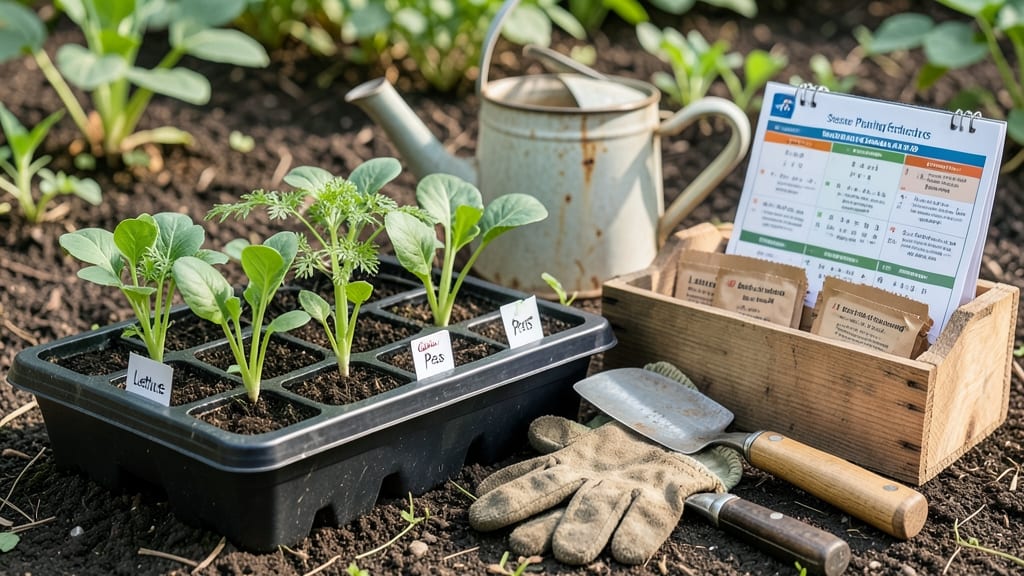
When to plant a vegetable garden in Seattle isn’t just about picking a month—it’s about outsmarting the rain, the chill, and those sneaky late frosts that can turn your hard work into a sad, wilted mess. With USDA Zone 8a and microclimates that feel like two different worlds (hello, urban heat islands vs. rural chill), knowing exactly when to plant can mean the difference between a bountiful harvest and a season of disappointment.
Most gardeners in Seattle swear by the late March to early May window for spring crops, but here’s the catch: your neighbor’s timing might not work for your backyard.
Whether you’re dreaming of crisp kale in fall or juicy tomatoes that actually ripen, the key is understanding how to read Seattle’s unpredictable cues—like when those last frosts (usually around April 15) finally loosen their grip.
But what about summer? That’s where things get tricky. While cool-season veggies like spinach and peas thrive in spring and fall, swapping in heat-lovers like okra or sweet potatoes requires a whole new playbook.
I’ll show you how to stretch your growing season with row covers, cold frames, and smart succession planting—so you’re not left scratching your head in July wondering why your garden’s playing hide-and-seek.
Let’s cut to the chase: with the right timing, you can turn Seattle’s 🥬 climate into your secret weapon for year-round harvests. Ready to ditch the guesswork and start planting with confidence? Here’s your step-by-step guide to making it happen.
Seattle’s best planting calendar: cool-season vegetables for spring & fall
Seattle’s cool, wet springs and mild falls create perfect conditions for growing cool-season vegetables. Unlike warmer climates, you can plant two full harvests—spring and fall—while summer becomes a game of heat-tolerant swaps.
The key? Timing your plantings around Seattle’s average last frost date (April 15) and first frost date (October 15).
Cool-season crops like kale, spinach, peas, and carrots thrive when temperatures hover between 45°F and 75°F. Planting too early risks frost damage, while waiting too long means bolting (premature flowering).
Urban areas may experience microclimates—south-facing gardens warm up faster, while shaded spots stay cooler. Always check your specific zone (Seattle spans USDA 7b-9a).
Here’s your month-by-month planting guide for cool-season vegetables, tailored to Seattle’s climate. Use this as your roadmap to maximize yields without wrestling with bolting or frost.
For spring plantings, focus on direct sowing hardy crops like peas and radishes in late March. These tolerate cooler soils and can handle light frosts. Transplant seedlings of broccoli and cabbage in early April once soil temperatures rise above 45°F.
If you’re in a shaded microclimate, delay planting by 2-3 weeks to avoid bolting.
Fall plantings start in August with fast-growing crops like lettuce and radishes. By September, you can introduce brassicas (broccoli, cabbage), which need 60-90 days to mature before frost. Use black plastic mulch to warm soil in early fall, giving seedlings a head start.
Always harden off seedlings before transplanting to prevent shock from Seattle’s cool, damp air.
Pro tip: Succession plant short-season crops like lettuce every 2 weeks in spring and fall. This ensures a continuous harvest and prevents pests from decimating your entire crop. For example, sow a new batch of radishes every 10 days from March through May, then repeat in August and September.
Seattle’s rainy springs can delay planting, so always check soil temperature with a soil thermometer. Aim for 40°F+ for cool-season crops. If your soil stays cold, opt for container gardening or raised beds, which warm up faster.
Urban gardeners on rooftops or balconies may need to use grow lights to extend the season.
Don’t forget to amend your soil before planting. Seattle’s native soil is often acidic and compacted. Mix in compost and aged manure to improve drainage and fertility. Add a 2-inch layer of mulch after planting to retain moisture and suppress weeds—critical during Seattle’s wet springs.
Finally, keep an eye on pests like cabbage moths and slugs, which thrive in Seattle’s damp climate. Use row covers for young seedlings and beer traps for slugs. With the right timing and care, your cool-season garden will reward you with abundant harvests from spring through fall.
Heat-tolerant vegetables that thrive in Seattle’s summer heat
Seattle’s summers may be cool compared to other regions, but with the right heat-tolerant vegetables, you can still enjoy a productive garden. Crops like okra, sweet potatoes, and Malabar spinach flourish in temperatures that would stress other plants.
These varieties not only survive but thrive in the 70-85°F range, making them perfect for Seattle’s occasional heatwaves.
Planting these summer-friendly crops between late May and early July ensures they establish roots before the cooler autumn air arrives. For example, okra loves the heat and can even produce more pods when temperatures rise.
Meanwhile, sweet potatoes prefer warmer soil, so waiting until after the last frost (around mid-April) gives them the best start.
Here’s a quick guide to the top heat-loving vegetables and how to grow them successfully in Seattle’s climate:
Plant after last frost (late May) in full sun. Thrives in hot, dry conditions—water deeply but infrequently. Harvest pods when 3-4 inches long for tender texture.
Start slips (young plants) in early June after soil warms to 65°F+. Choose a sunny, well-draining spot and mulch heavily to retain heat. Harvest in late fall before frost.
A heat-tolerant alternative to regular spinach, plant in June-July for summer harvests. Prefers partial shade in peak afternoon sun. Pinch back tips to encourage bushier growth.
Transplant jalapeños or habaneros in late May after frost risk passes. They need 6+ hours of sun and consistent warmth. Use black plastic mulch to boost soil temperature.
Plant transplants in June when soil is warm. Choose compact varieties like 'Fairy Tale' for containers. Stake plants to support heavy fruit and water at soil level to prevent rot.
To maximize yields, pair these heat-loving plants with companion crops that share similar needs. For example, okra grows well near sweet potatoes and basil, while peppers benefit from being planted with marigolds to deter pests.
This interplanting strategy also makes the most of your garden space and improves airflow, reducing disease risk.
If your summer feels unusually cool or rainy, don’t worry—these crops are resilient. Just ensure they have well-draining soil and protection from wind (like a low tunnel or windbreak). With the right care, you’ll enjoy a bountiful summer harvest even in Seattle’s mild climate.
Pro tip: Keep a planting journal to track which varieties perform best in your microclimate. Over time, you’ll refine your summer garden strategy and maybe even discover new favorites that thrive in your backyard! 🌞